Amyris Oil at Home: Where It Earns Its Place
Amyris is a quiet oil. It does not announce itself the way citrus or peppermint does, and that is exactly why it earns a place in so many home projects: a creamy, woody, balsamic base note that rounds out whatever it is mixed with. Think of it as the oil you reach for when a scent needs a floor. Here are the places around the house where that talent pays off, and a few honest notes on getting each one right.
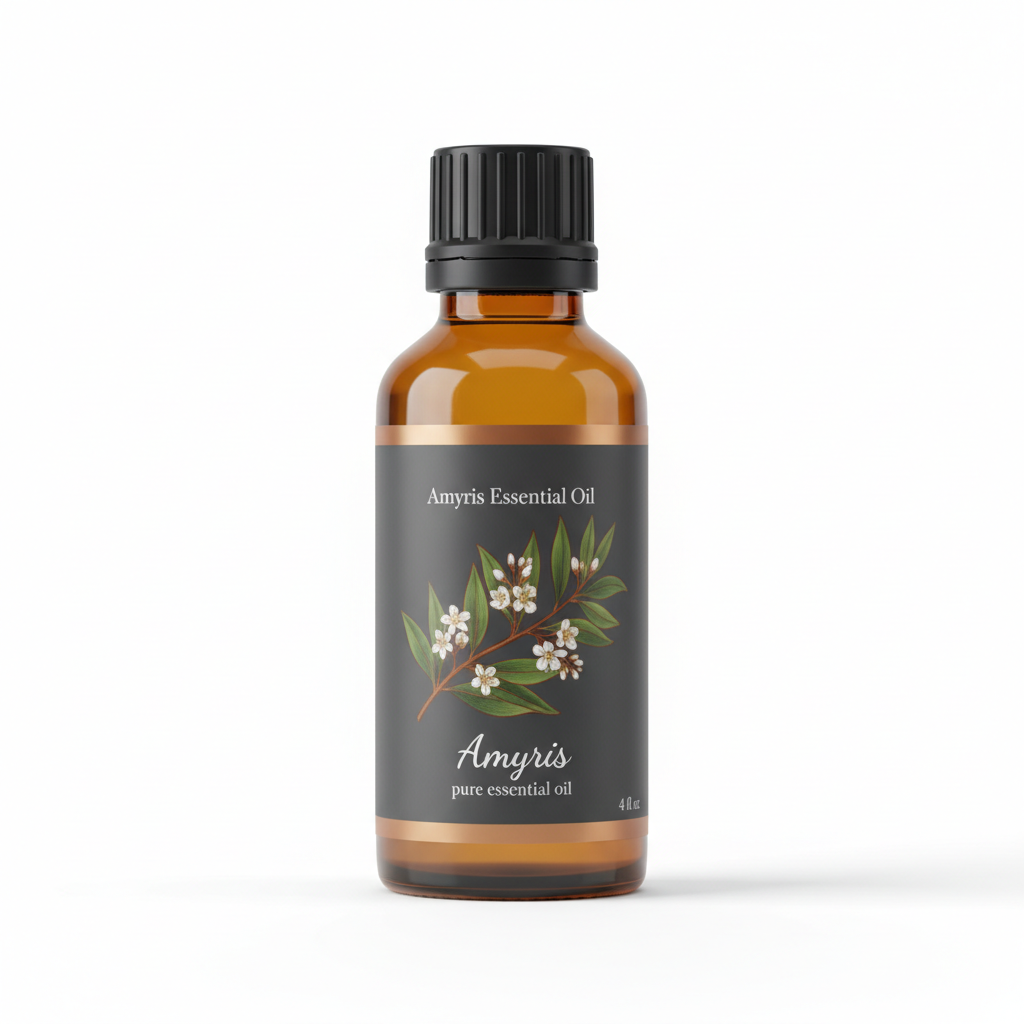
Amyris Essential Oil
Our own Amyris Essential Oil, in sizes from 0.5 oz to bulk.
From $23.99
Shop Now →In the air
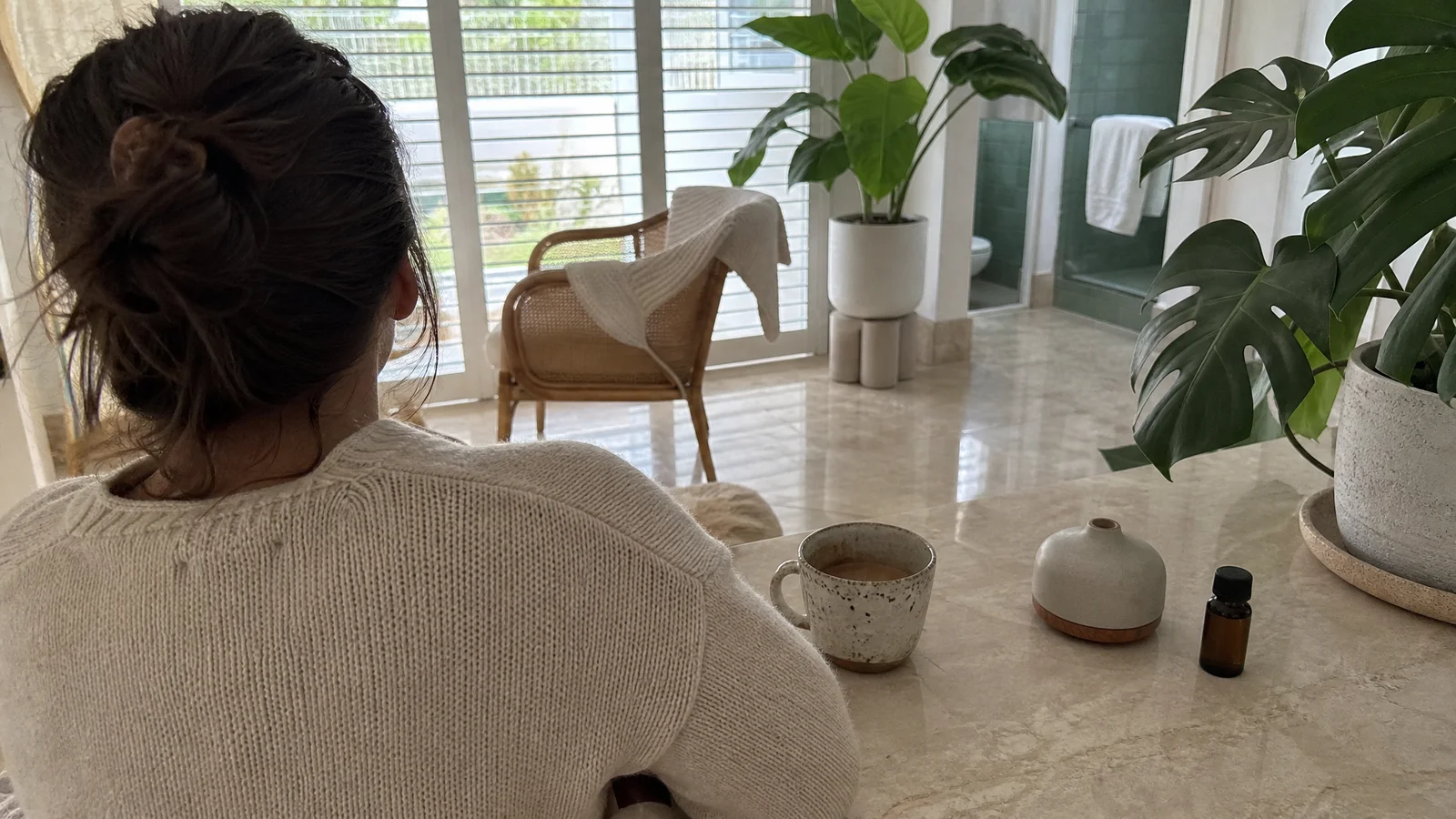
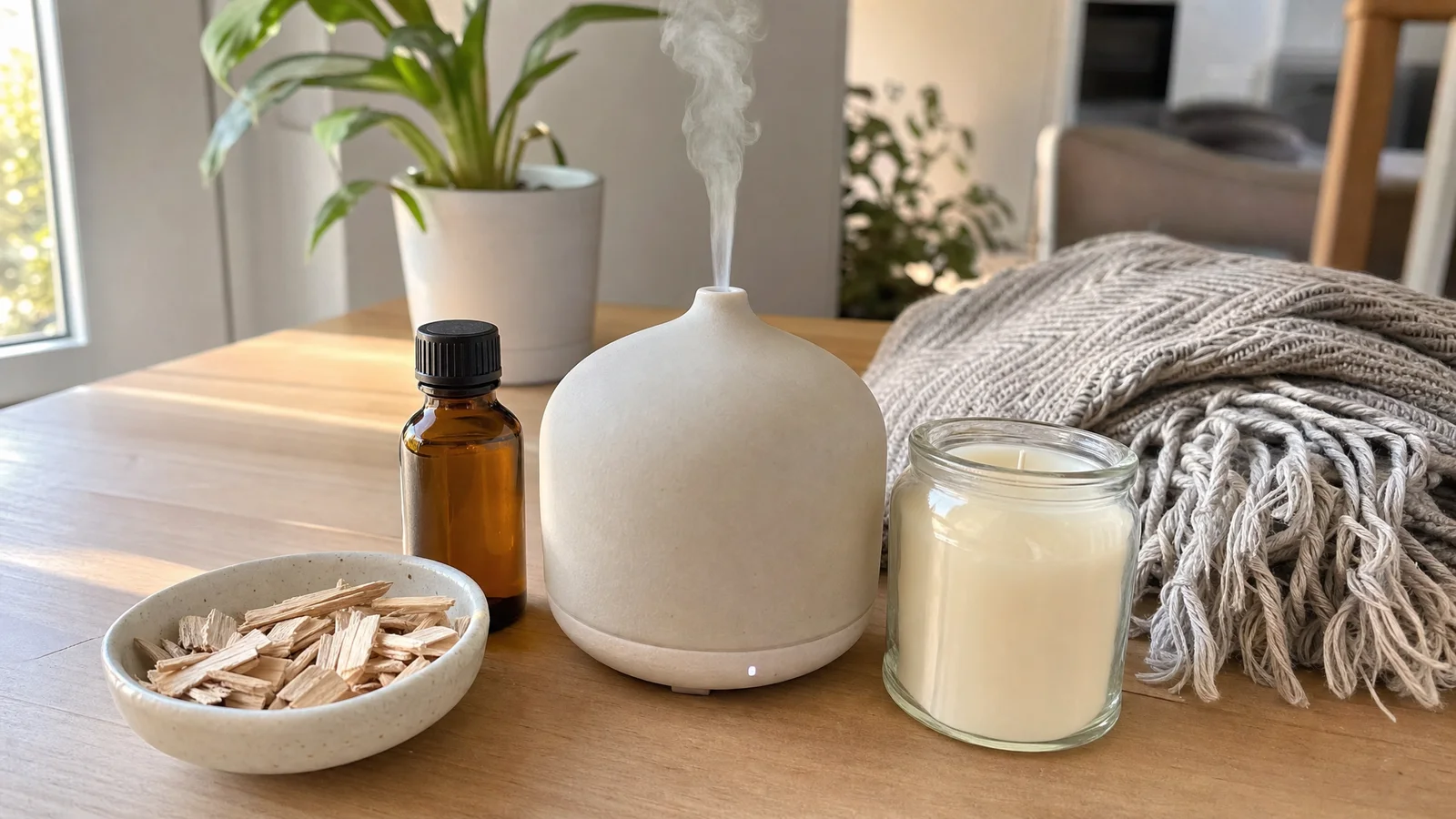
The easiest home for amyris is a diffuser, where its job is to anchor lighter oils. We pair it with lavender, bergamot, geranium, sandalwood and ylang ylang, and you will find ratio formulas in our diffuser blends and a spicier set in the winter blends. If you prefer something that works without a machine, a reed diffuser is a slow, steady way to scent a hallway, and our reed diffuser post covers the base liquid and how much oil to use. A room spray works too, as long as the oil is dissolved in alcohol or a solubilizer, because oil and water simply separate. Our room and linen spray post shows how.
Diffusing is inhalation, so a little thought goes a long way. Keep sessions short, keep the room ventilated, and think about children, pets and anyone with asthma before you start. Our post on diffusing safely goes through what air measurements show.
On you
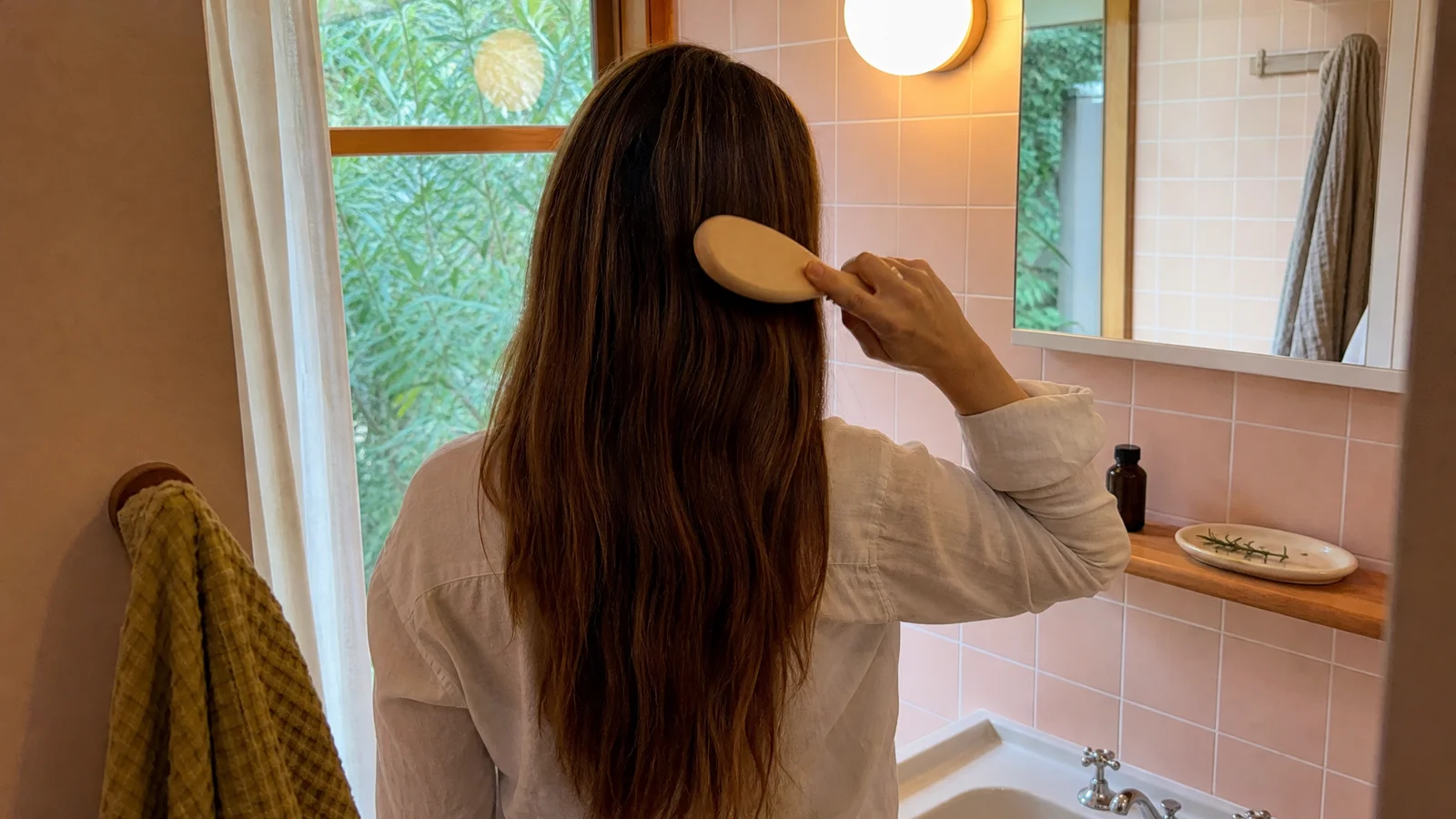
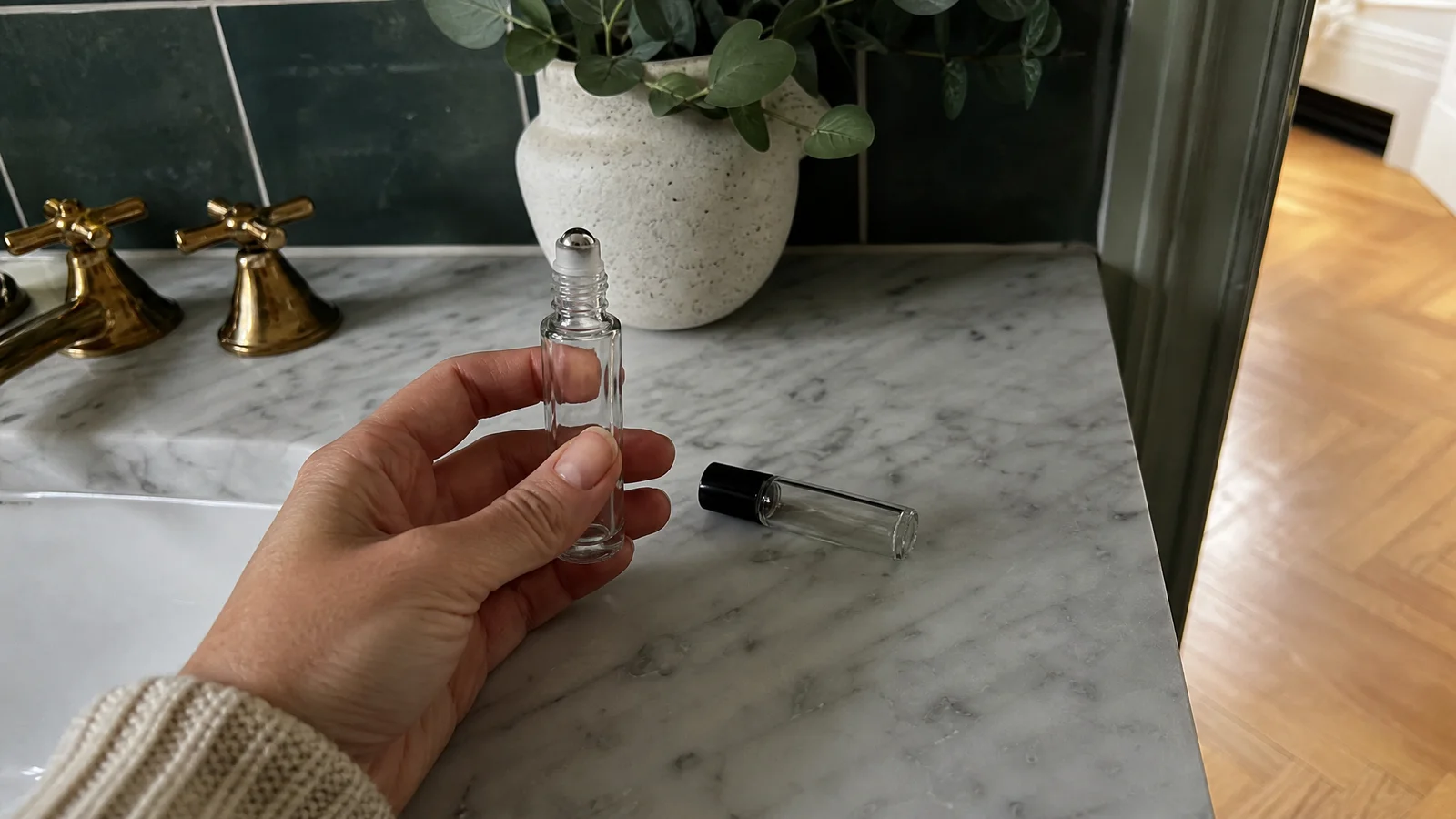
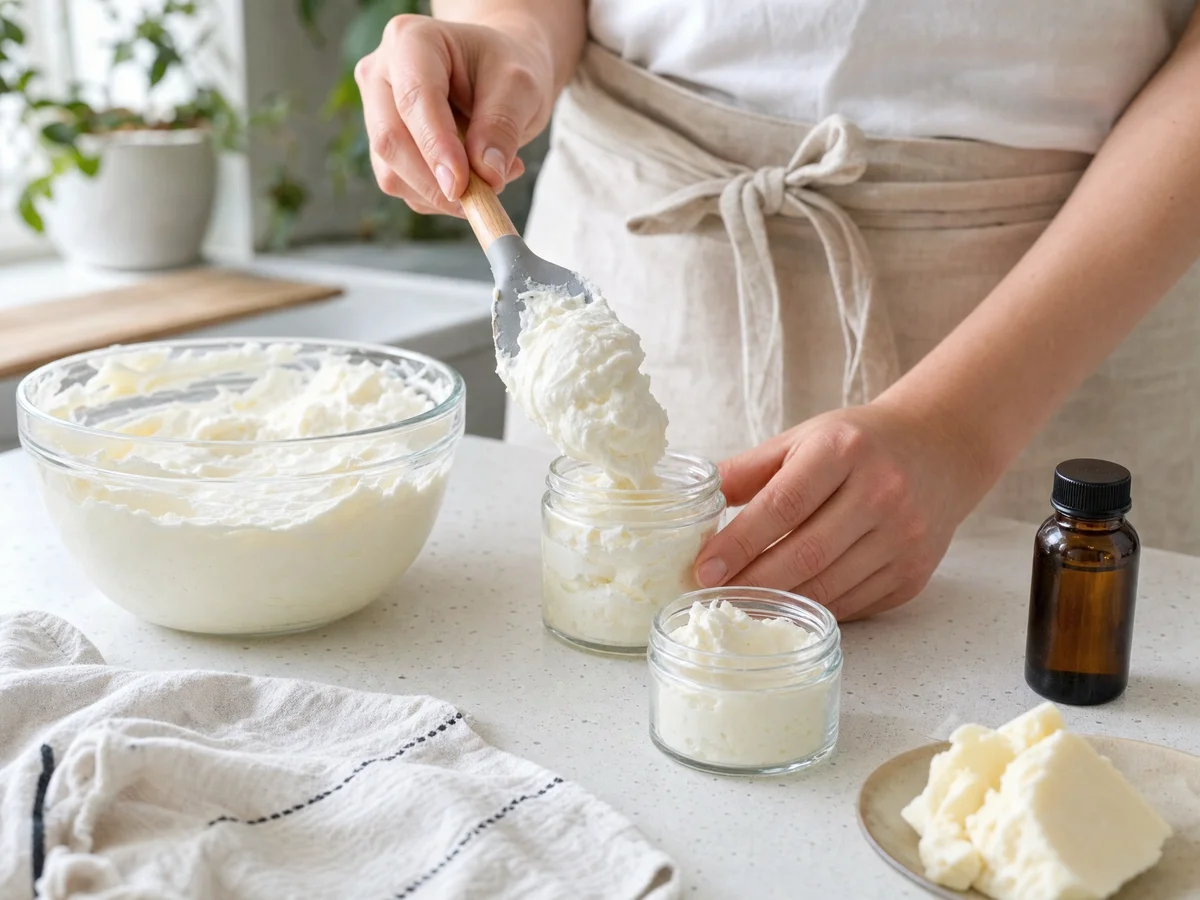
Body oil, solid perfume and beard oil are all leave-on formats, so strength is the thing to get right. We recommend diluting to 0.5% to 2% in a carrier oil and patch testing first. The Tisserand Institute lists 1 to 3% for body oils and lotions, 0.5 to 1.2% for the face and other sensitive areas, and 0.2 to 1% for easily reactive skin. That means a body oil can live comfortably in our range, while anything near the face, beard oil included, is happiest at or under 1.2%, roughly 7 drops per ounce at a common 20 drops per ml (1 oz is about 29.57 ml). Drops vary, so the dilution chart is a better guide than counting. Recipes are in DIY body oil, solid perfume and beard oil. Here amyris is for scent, and we make no claims about what it does for skin or hair.
In things you make
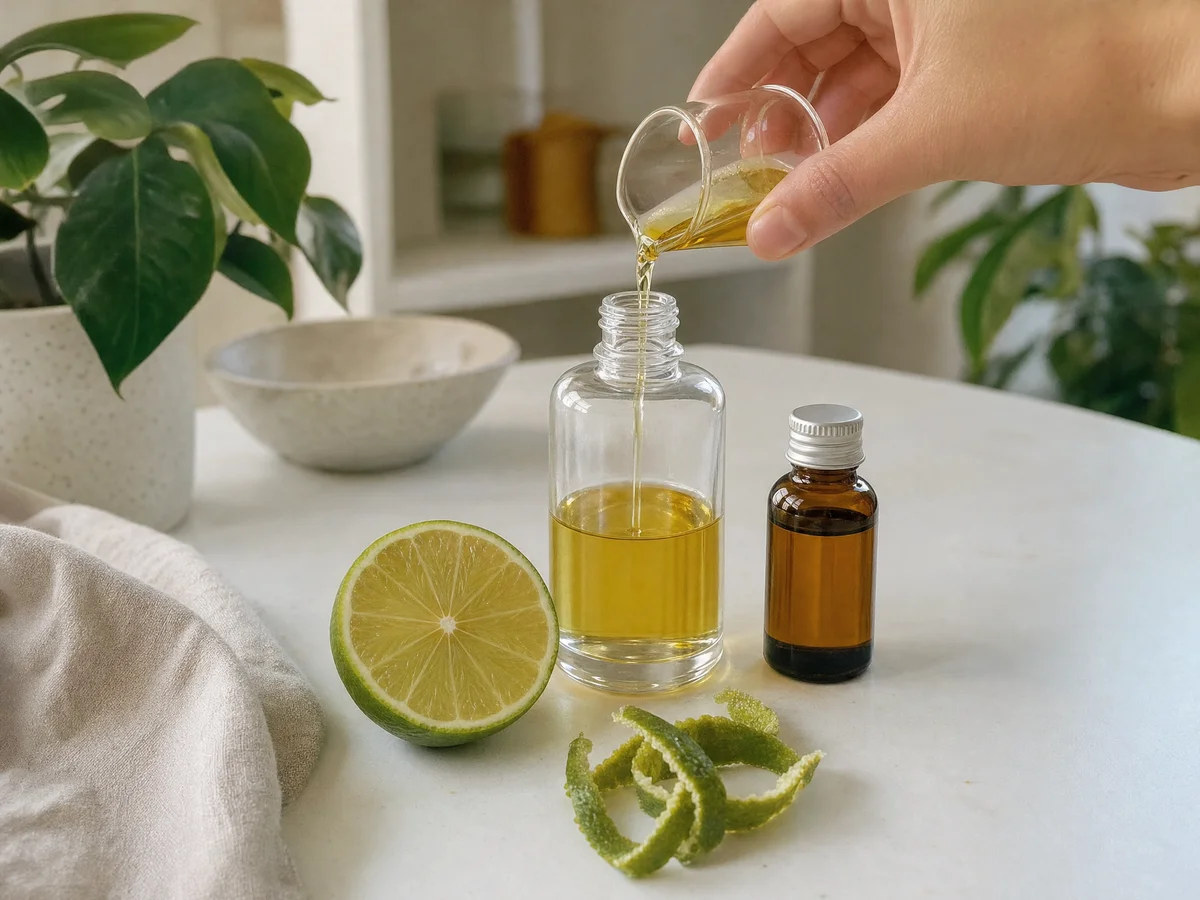
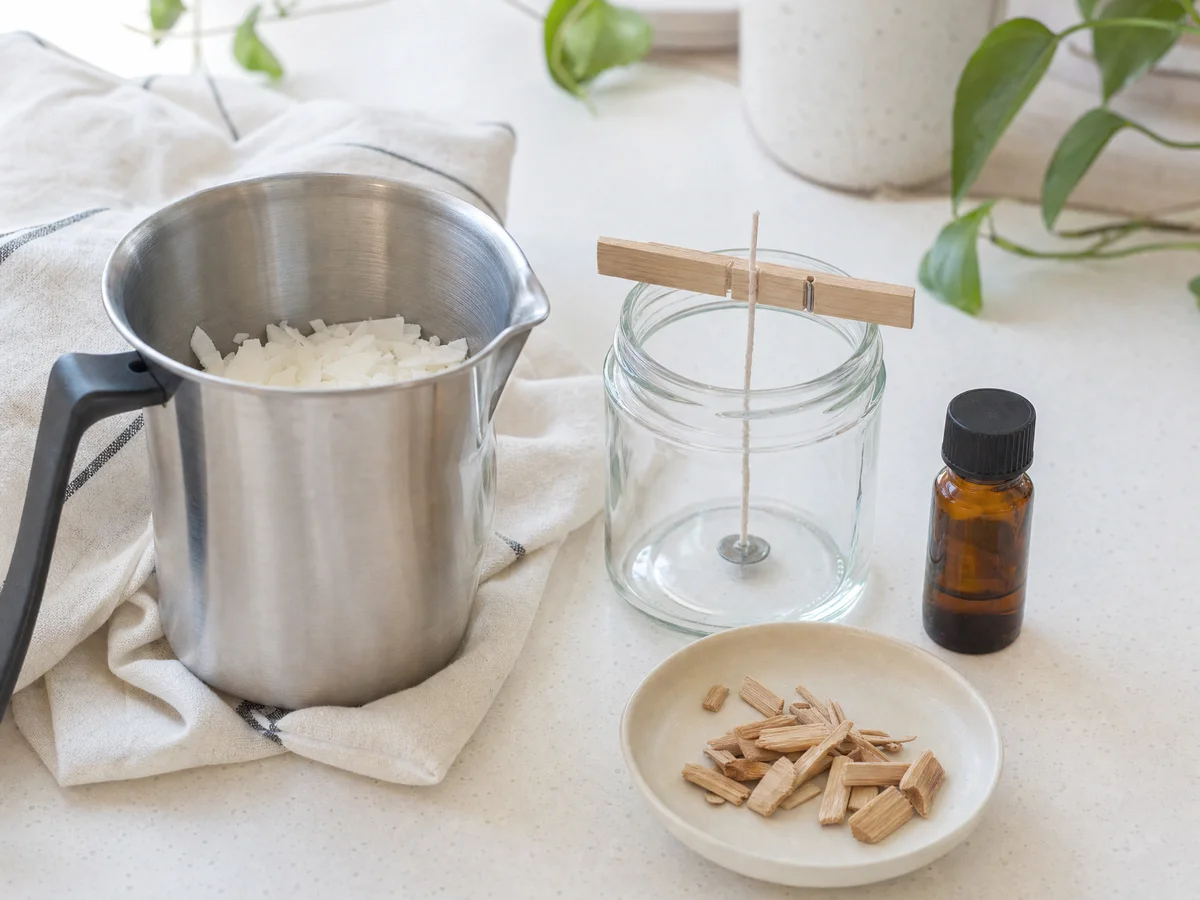
Makers use amyris in candles and cold process soap, and both reward a test batch. Essential oils tend to throw more softly than fragrance oils in a candle, and some fade during a soap's cure. We have no amyris-specific numbers to give you, so start small, change one thing at a time, and keep notes. Our candle post and soap post go through the details. If you sell what you make, look up the IFRA standard for each oil in your formula, since limits depend on the oil and the product type. For larger quantities, our wholesale and bulk pages list the sizes.
Getting to know the bottle
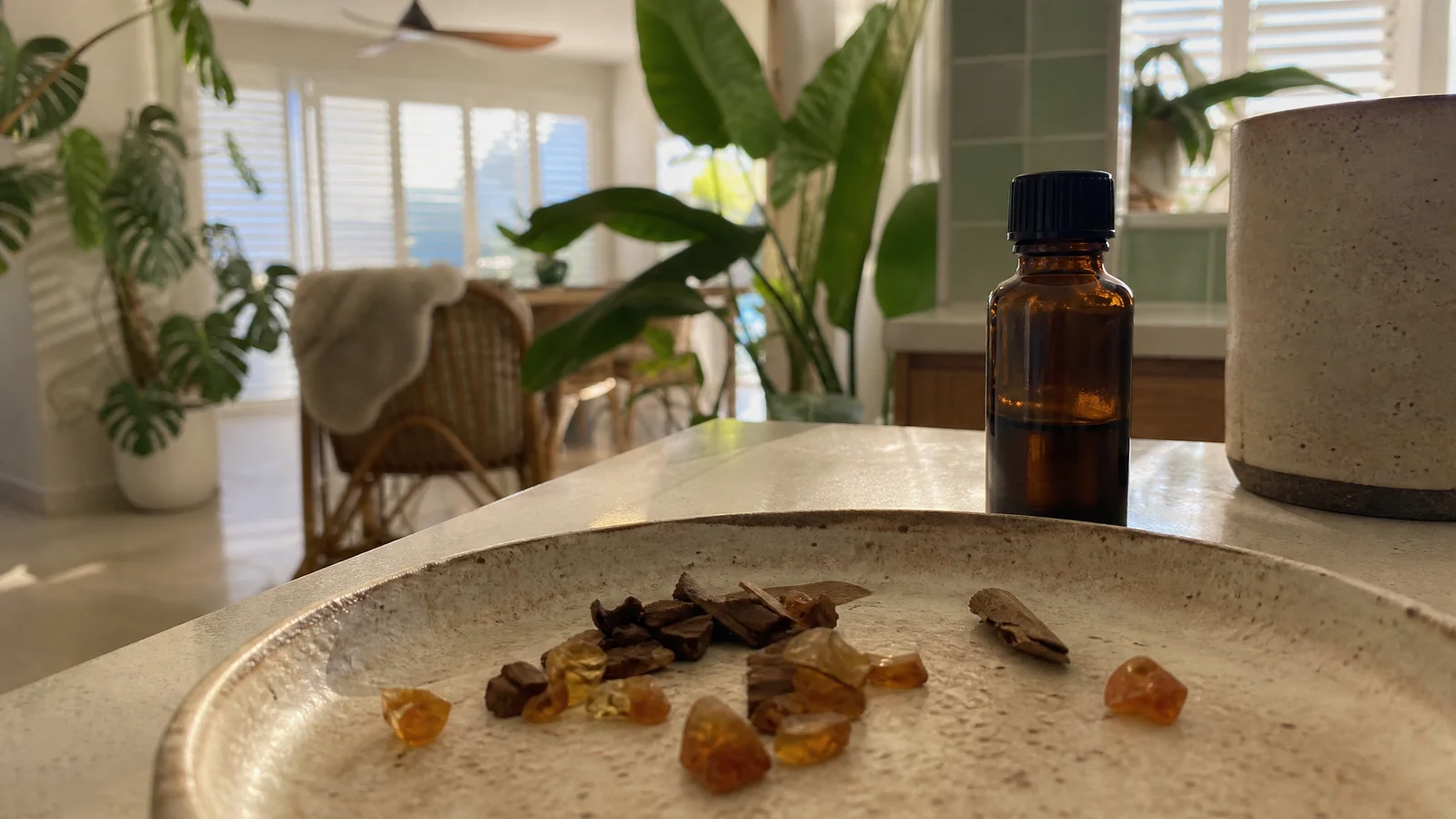
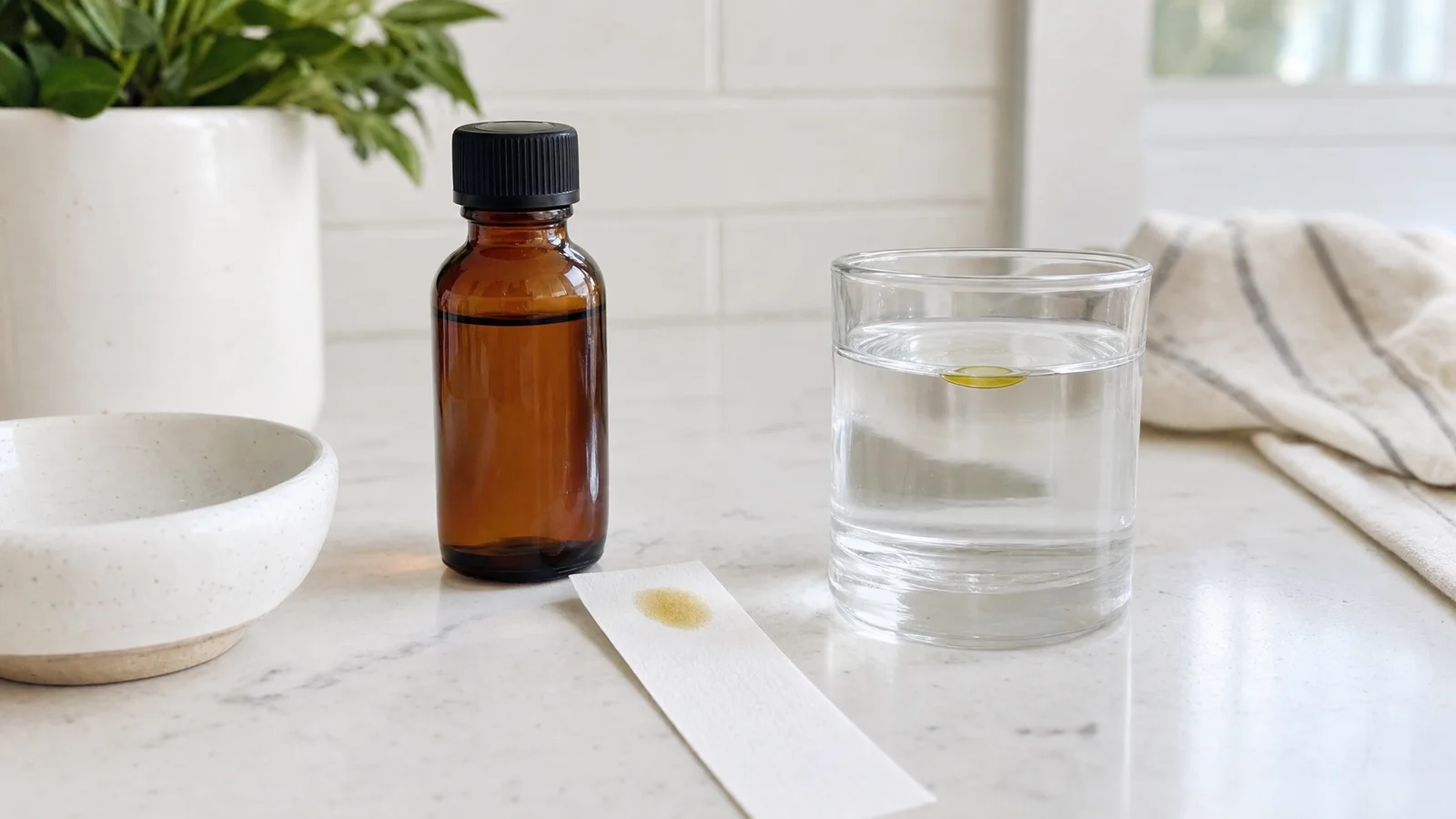
Before you plan a project, spend a few quiet minutes with the oil. Open the bottle, breathe it in slowly and note what you catch first. Amyris is creamy, woody and balsamic with a soft vanilla undertone, and it tends to reveal itself in layers. Put a drop on a paper strip and come back to it over the afternoon. Knowing how it smells on its own makes every later decision easier, from how much to put in a blend to which oil to pair it with.
A few habits that help
- Change one thing at a time when you try a new recipe, so you know what made the difference.
- Write the date and the amounts on every bottle you fill.
- Start with the smallest batch that lets you judge the result.
- Keep the bottles somewhere cool, dark and out of reach of children and pets.
What we leave to the professionals
Because amyris is a scent oil, we leave the health questions to people qualified to answer them. The FDA says claims such as helping you sleep or easing pain are drug claims, and we make none for amyris. For a skin concern, see a dermatologist. For trouble sleeping, see a physician. We sell an external cosmetic oil, so we do not recommend taking it by mouth. If a swallow ever happens, Poison Control is at 1-800-222-1222. Keep amyris away from children and pets, and ask a veterinarian before diffusing around animals.
It is also worth saying that "natural" is not a safety guarantee. The Tisserand Institute notes that allergic reactions can be delayed, and that a patch test is a useful check but not completely reliable. Starting low and small is the sensible answer for every format above.
A quick way to choose
- A woody scent in the room: a diffuser or reed diffuser, with ventilation in mind.
- A woody scent on you: a body oil or solid perfume, diluted and patch tested.
- A woody scent on fabric: an alcohol-based spray, tried first on a scrap of white cotton.
- A woody scent in something you sell: soap or candles, with each oil's IFRA data in hand.
For a woody base note with a creamy, soft character, amyris is a very easy oil to love. Questions? Our contact page is the way to reach us.
Amyris Essential Oil
Amyris Essential Oil from our own shop, in sizes from 0.5 oz to bulk.
From $23.99
Shop Now →Sources & Further Reading
- U.S. FDA. Aromatherapy. fda.gov
- Tisserand Institute. Dilution of essential oils. tisserandinstitute.org
- Tisserand Institute. Irritation and allergic reactions. tisserandinstitute.org
- National Capital Poison Center. Essential oil poisoning. poison.org