Where Does Amyris Oil Come From? Fallen Wood Explained
"Fallen wood" is a phrase we are glad to say about our amyris, and it deserves a proper explanation. Amyris has a long history of being collected for its oil, so where the wood comes from is a fair question for any seller, and we are happy to answer it for ours.
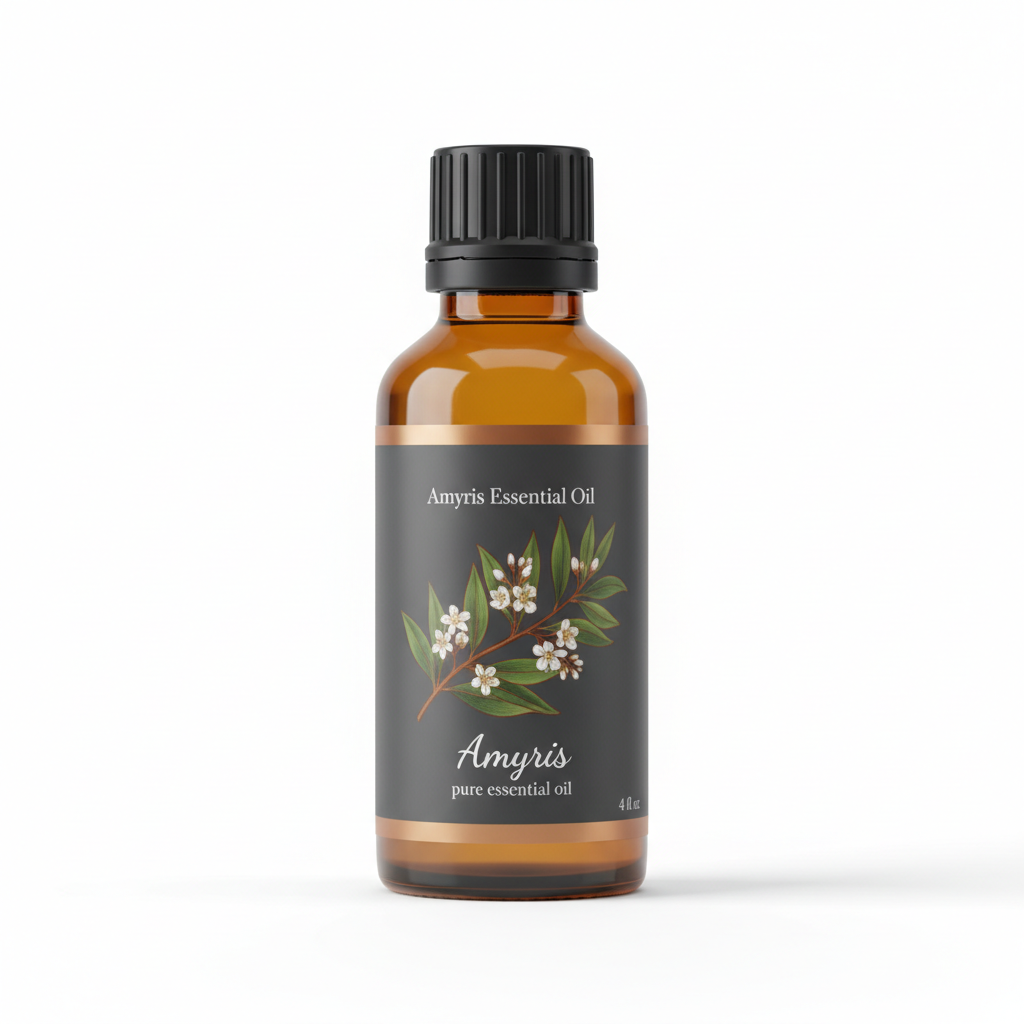
Amyris Essential Oil
Our own Amyris Essential Oil, in sizes from 0.5 oz to bulk.
From $23.99
Shop Now →A tree that is not in trouble
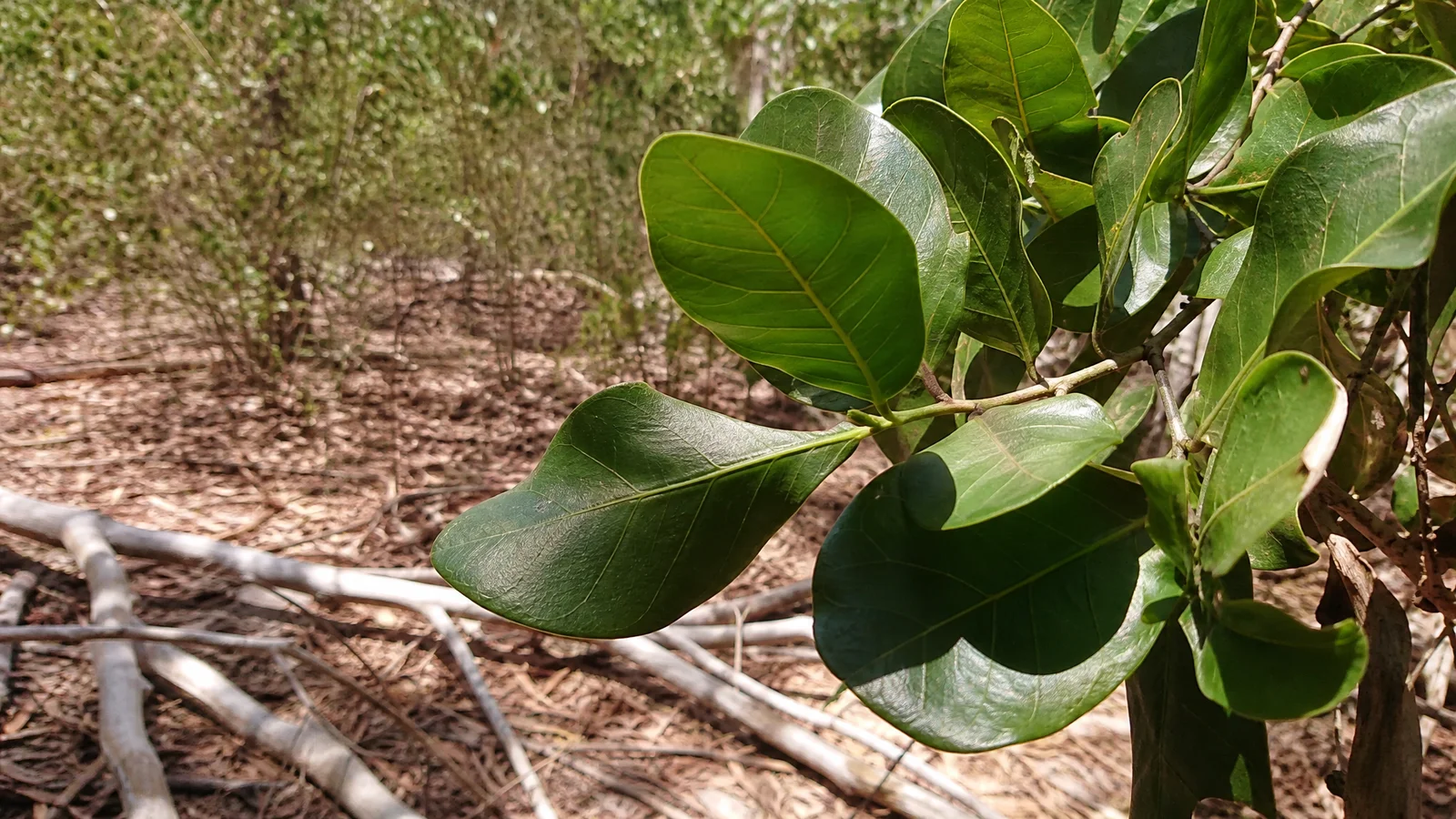
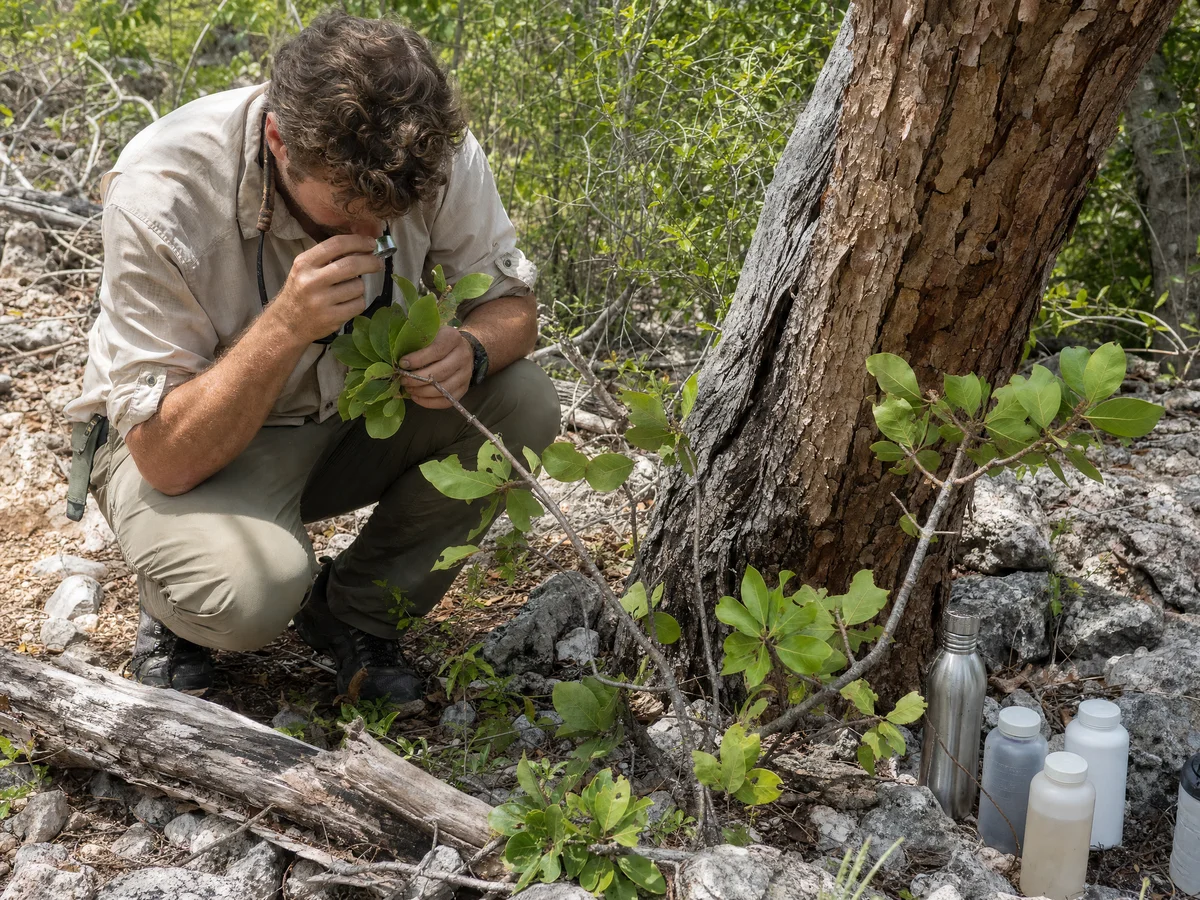
Start with the good news. GBIF carries the IUCN Red List category for Amyris balsamifera as Least Concern, and the Institute for Regional Conservation shows a NatureServe global rank of Apparently Secure. That is a big part of why amyris sits in a very different conversation from true sandalwood. A species-wide rating cannot describe every stand across a range that covers more than a dozen countries, so how the wood is gathered still matters. Meet the tree itself in our torchwood tree profile.
What we use
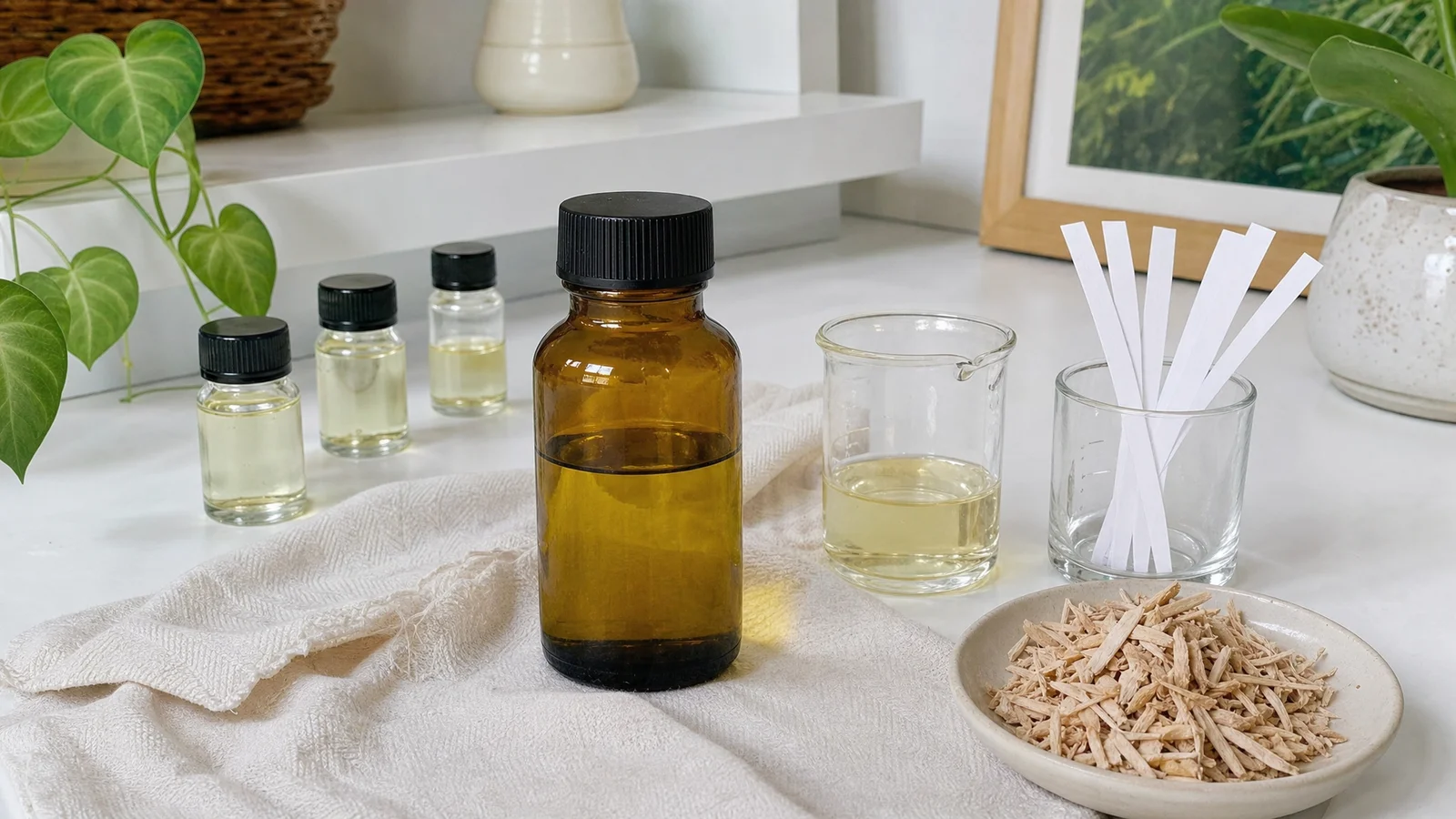
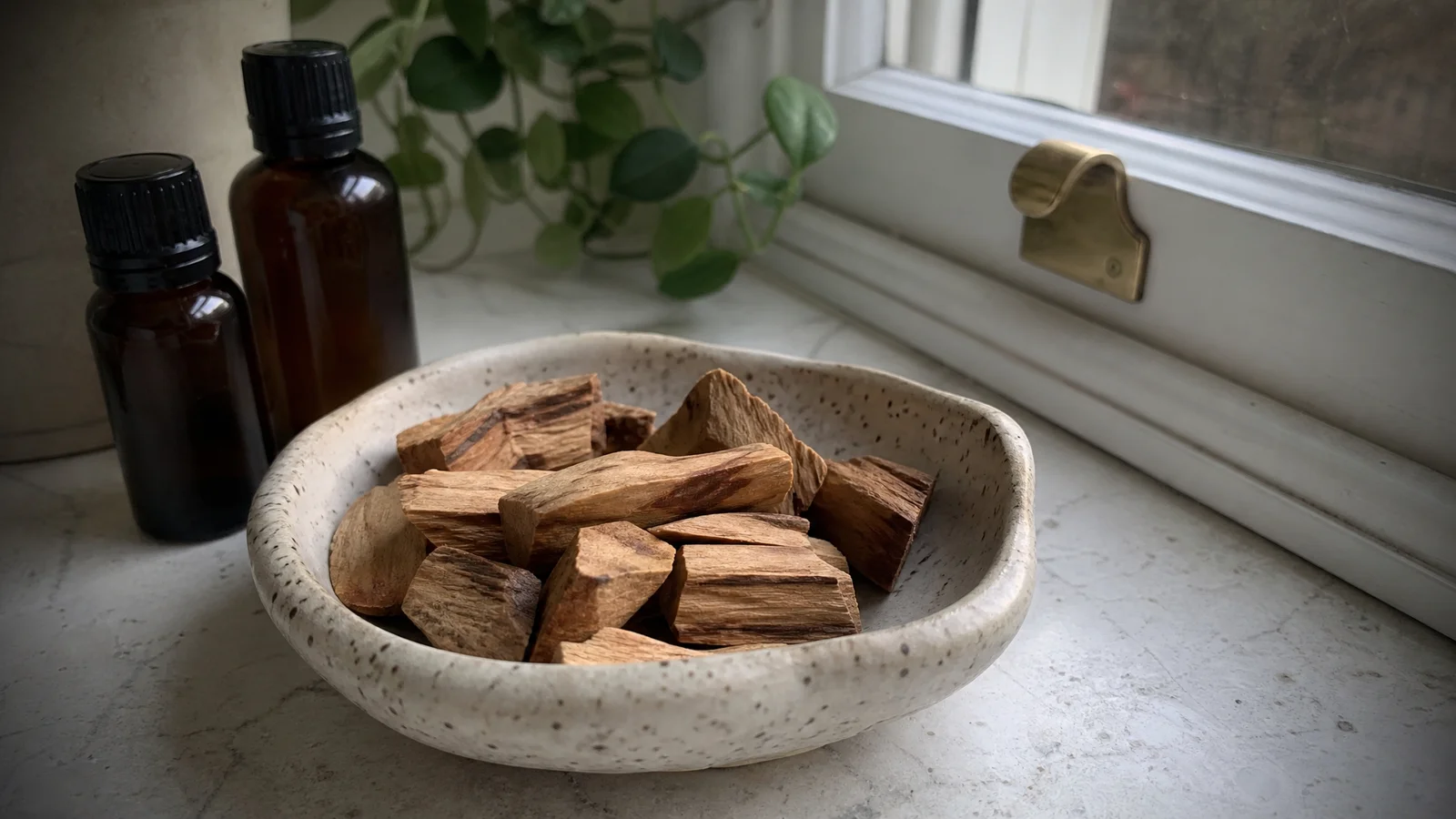
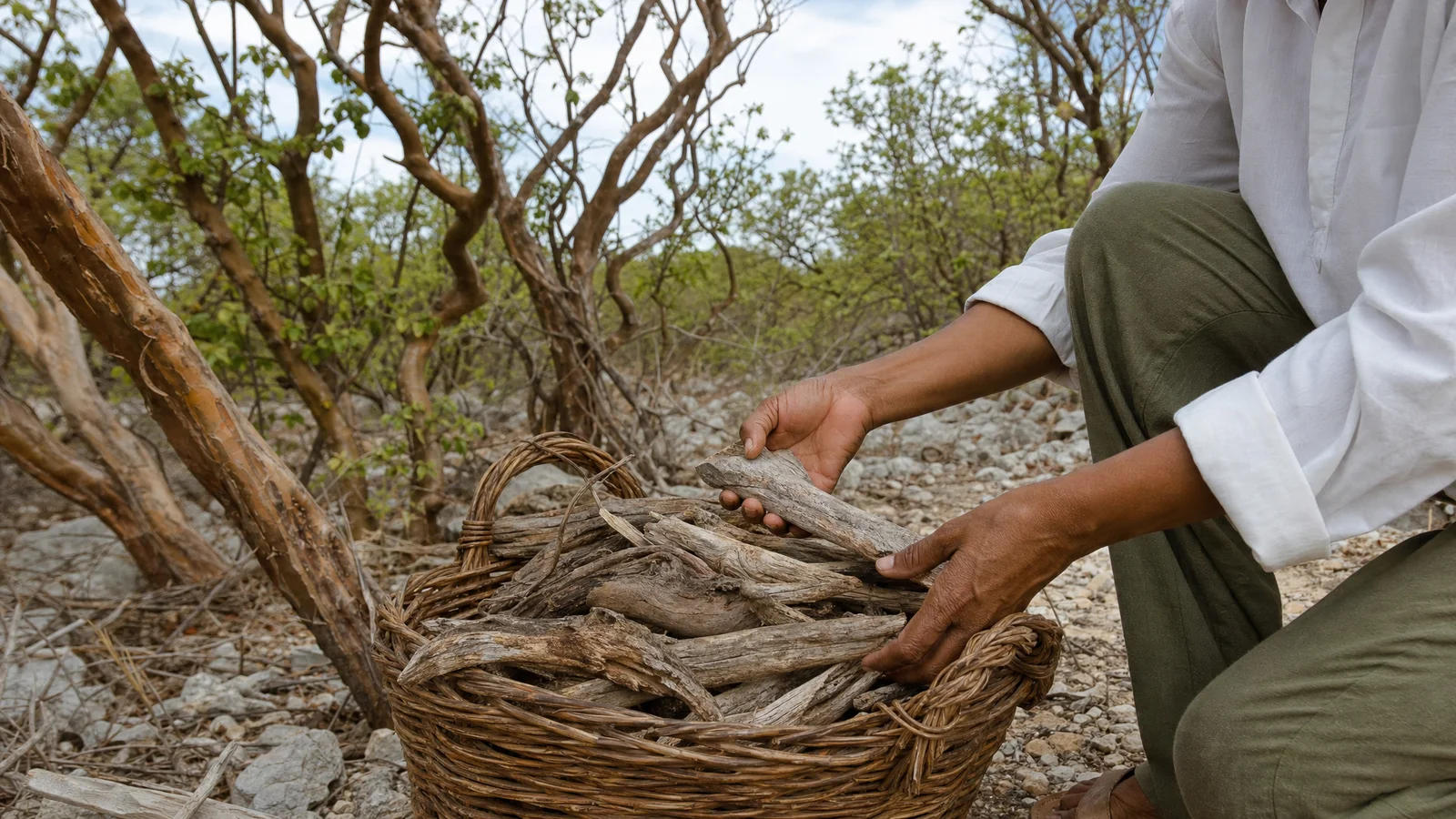
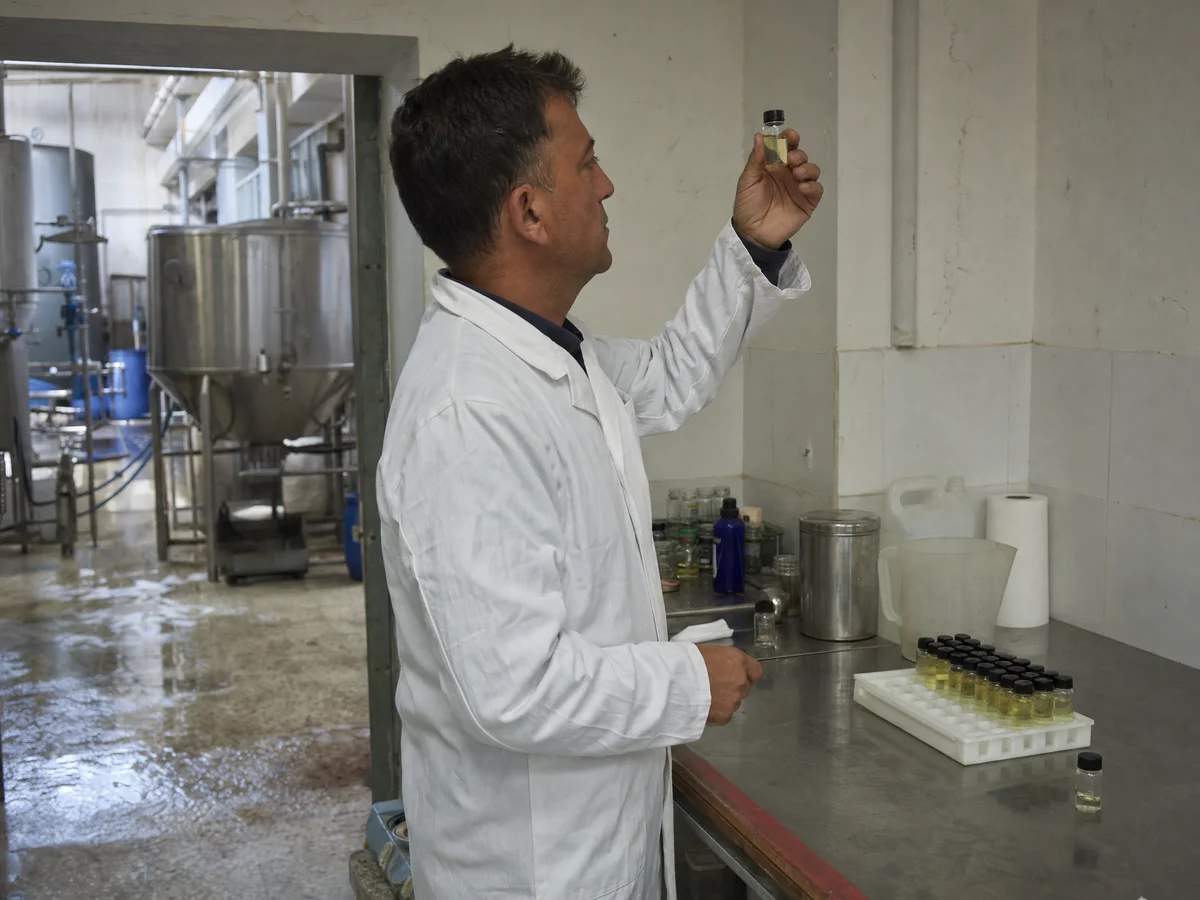
The wood we use is naturally fallen branches and trunks, plus pruning by-product from farms where amyris grows as a boundary or shade tree, then aged in the sun. It comes from Haiti. Only the resin-dense heartwood goes to the still, and the sapwood is separated out. The wood arrives as chips, offcuts and billets, and the chipped heartwood is steamed with each charge run out fully before the next.
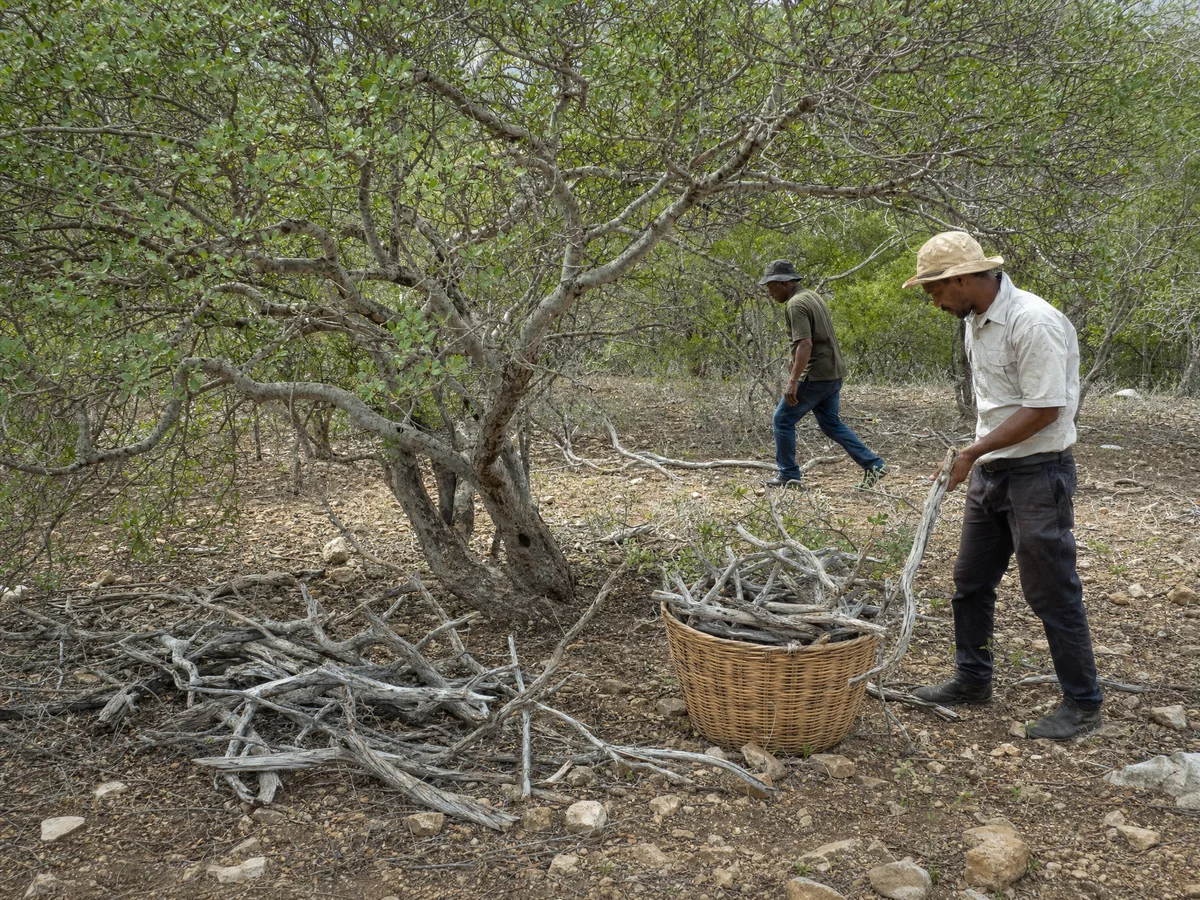
We like this story because it starts from wood that is already there. A branch that has come down, or a prunings pile from a farm hedge, is a different starting point from a felled tree, and it gives the oil a straightforward tale.
Sun-aged wood is also a slow, unhurried way to begin. Nothing about it is rushed, and we like that the oil starts that way. When you open a bottle, the creamy, woody scent is the end of a long chain that began with a branch on the ground or a trimmed hedge, and it is nice to know what that first link was.
What you can do with the bottle in your hand
The lot reference, still date and fill date on the label are there to be used. Photograph them when the bottle arrives, or copy them into your notes, so that if you ever have a question about your oil you can ask about the right lot by its number. It takes a minute, and it makes any conversation with a seller much quicker.
Why we say it plainly
It would be easy to dress up a sourcing page with big words. "Ethical", "sustainable" and "responsible" sound lovely, but on their own they tell you nothing, and you cannot ask a follow-up question about them. "Fallen wood and pruning by-product from farms in Haiti" is different. It is specific, so you can check it, question it and decide for yourself whether it matters to you.
The wider landscape in Haiti
It helps to know the backdrop. In a 2020 PeerJ study, Pauleus and Aide classified satellite imagery for Haiti and estimated forest cover falling from 26.46% in 2000 to 21.34% in 2015. They note that published estimates for the country run from under 1% to 33% depending on how forest is defined, and that most of the loss was conversion to shrubland, farming and pasture, with charcoal demand suggested as a major driver. The paper is about land cover rather than amyris, and we have not seen a study measuring how much amyris wood is collected. So we keep our own claim modest and specific: fallen wood and pruning by-product, aged and sorted, and nothing grander than that.
What you will find on the bottle
Every bottle carries a lot reference, a still date and a fill date, and our amber glass keeps the oil out of the light. We publish a Certificate of Analysis for one batch, listing density, refractive index and optical rotation with the standard ranges beside each. We make no medicinal claim for amyris, and a sourcing story should not be read as one. If you need a composition (GC-MS) report for a lot, ask us in writing through our contact page, quoting the lot reference, before you rely on it.
Questions worth asking any amyris seller
- Which country and region did this lot's wood come from?
- Is the wood fallen, pruned or cut from living trees, and who vouches for that?
- Does the lot come from one still or several?
- Is there a lot-specific GC-MS report showing the lab, method and date?
- What does the label show: still date, fill date, lot reference?
It is worth printing that list or saving it on your phone. Once you start asking these questions, you will find that the best sellers answer them gladly and with detail, while others answer with a slogan. A good answer is usually short, specific and comfortable with the words "we do not know".
When you get an answer, write it down next to the lot reference on your bottle. A few months from now, when you are choosing between two oils, you will be glad to have it in front of you instead of trying to remember.
Those answers tell you more than any badge, and you are welcome to put them to us.
Amyris Essential Oil
Amyris Essential Oil from our own shop, in sizes from 0.5 oz to bulk.
From $23.99
Shop Now →Sources & Further Reading
- GBIF Secretariat. Amyris balsamifera L., IUCN category and distributions.
- Institute for Regional Conservation. Plant database entry, Amyris balsamifera.
- Pauleus O, Aide TM, 2020. Haiti has more forest than previously reported: land change 2000-2015. PeerJ 8:e9919.