What Is Amyris Oil? Scent, Origins and Who It Suits
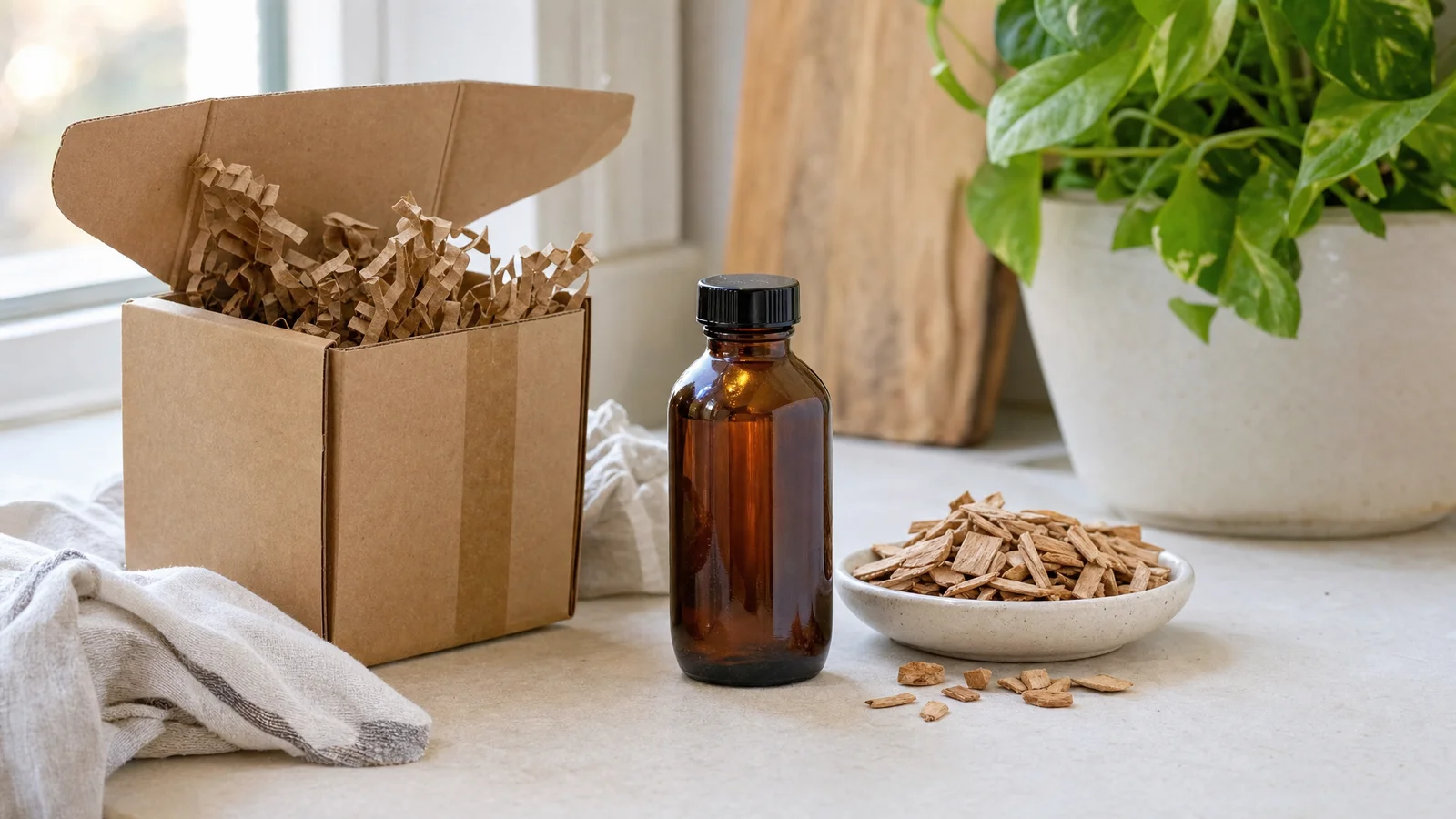
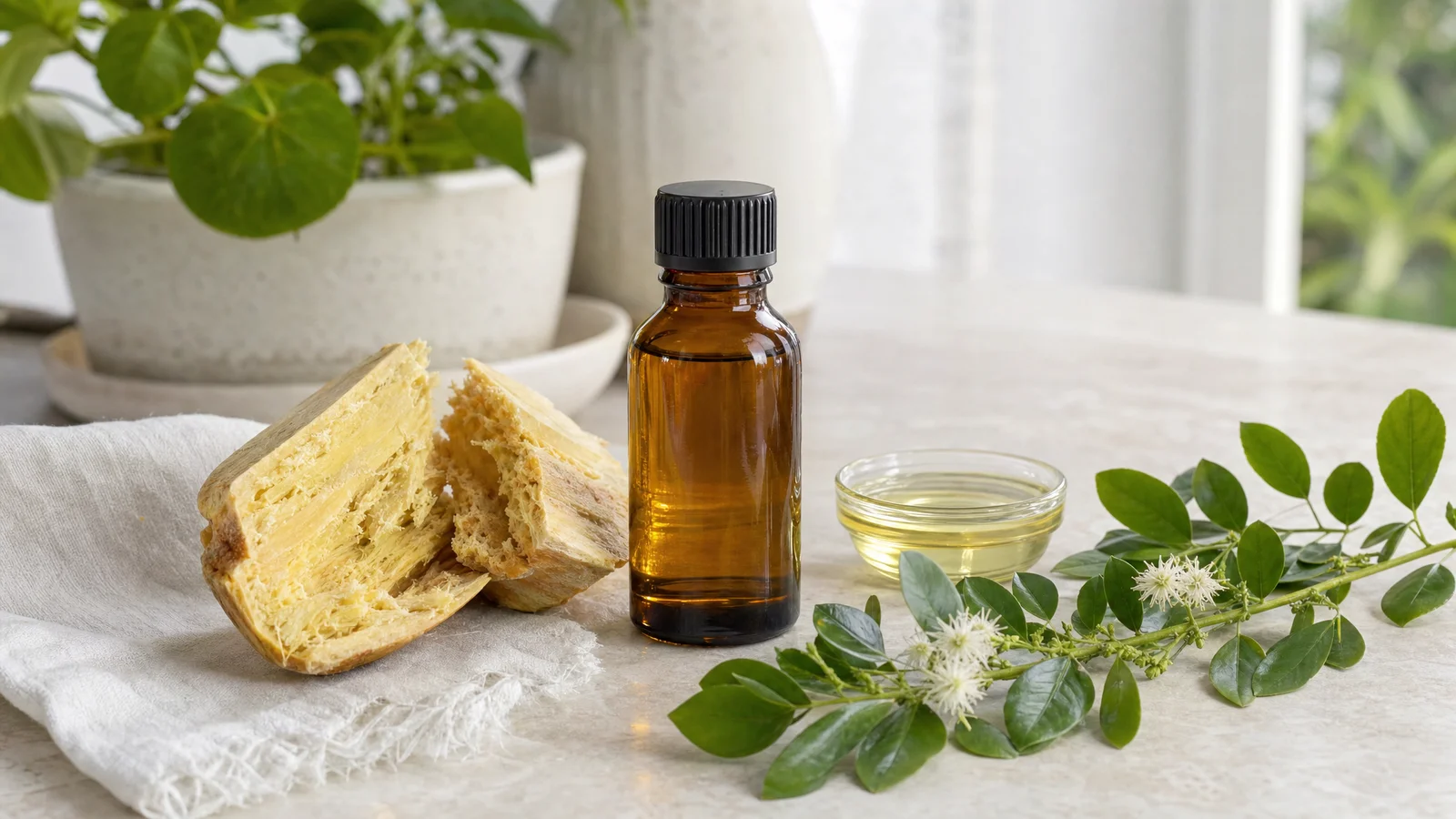
Amyris is a soft, creamy wood oil steam distilled from Amyris balsamifera, a small Caribbean tree. It often goes by the nickname "West Indian sandalwood", but it is no kind of sandalwood. The kindest way to think of it is as a perfumery wood in its own right that happens to have borrowed a grander name.
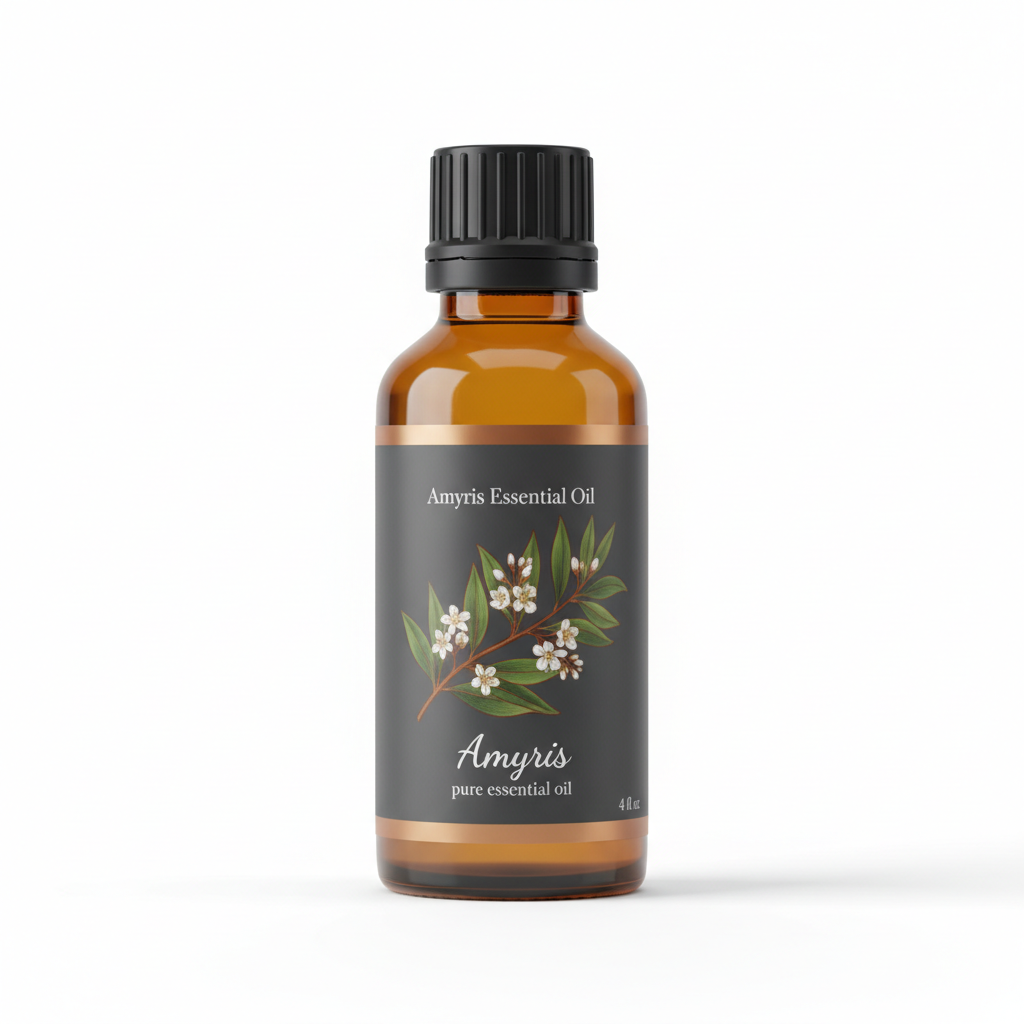
Amyris Essential Oil
Our own Amyris Essential Oil, in sizes from 0.5 oz to bulk.
From $23.99
Shop Now →A citrus cousin, not a sandalwood
Botanically, Amyris balsamifera belongs to the Rutaceae, the citrus family, in the order Sapindales. True sandalwood, Santalum album, is in the Santalaceae, order Santalales (GBIF). They are not close relatives. Other names for amyris include balsam torchwood, candlewood and West Indian rosewood (Citrus ID), and it is native to the West Indies and South Florida.
The nickname exists because both oils are woody, soft and slow to fade, not because they share ancestry. We are blunt about it: it is not sandalwood, and we will not price or describe it as though it were. If you want the sandalwood story in full, we tell it in Is Amyris Really Sandalwood?
What is inside the bottle
Amyris oil is rich in oxygenated sesquiterpenes, mainly valerianol, elemol and the eudesmols. In a 2021 study of commercial oils, two correctly labelled amyris samples held valerianol at about 14.5%, eudesmol isomers at about 26% and elemol at about 9% (Kucharska et al., 2021). One supplier's published Haitian batch showed valerianol at 19.5% (Aliksir). The molecules agree and the percentages differ, which is normal for a distilled plant oil and the reason we do not print a composition table of our own.
The certificate of analysis we publish for one batch (AMYQGAABHTC003A) gives a relative density of 0.952, a refractive index of 1.505 and an optical rotation of +21.32 degrees, each inside its standard range. If you need GC-MS figures for a formulation, ask us in writing through the contact page before ordering. Our guide to reading a GC-MS report helps once you have one.
What it smells like
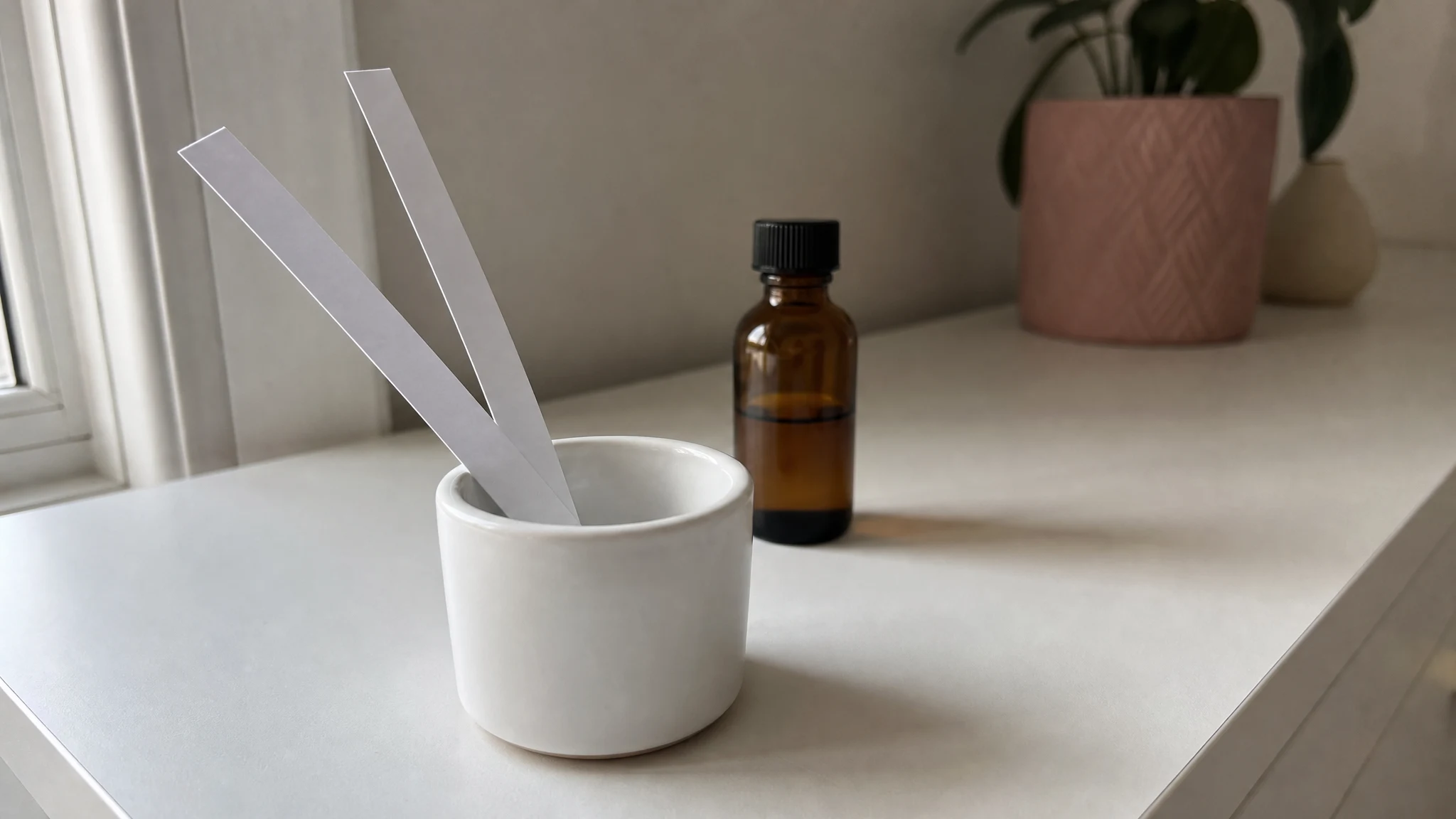
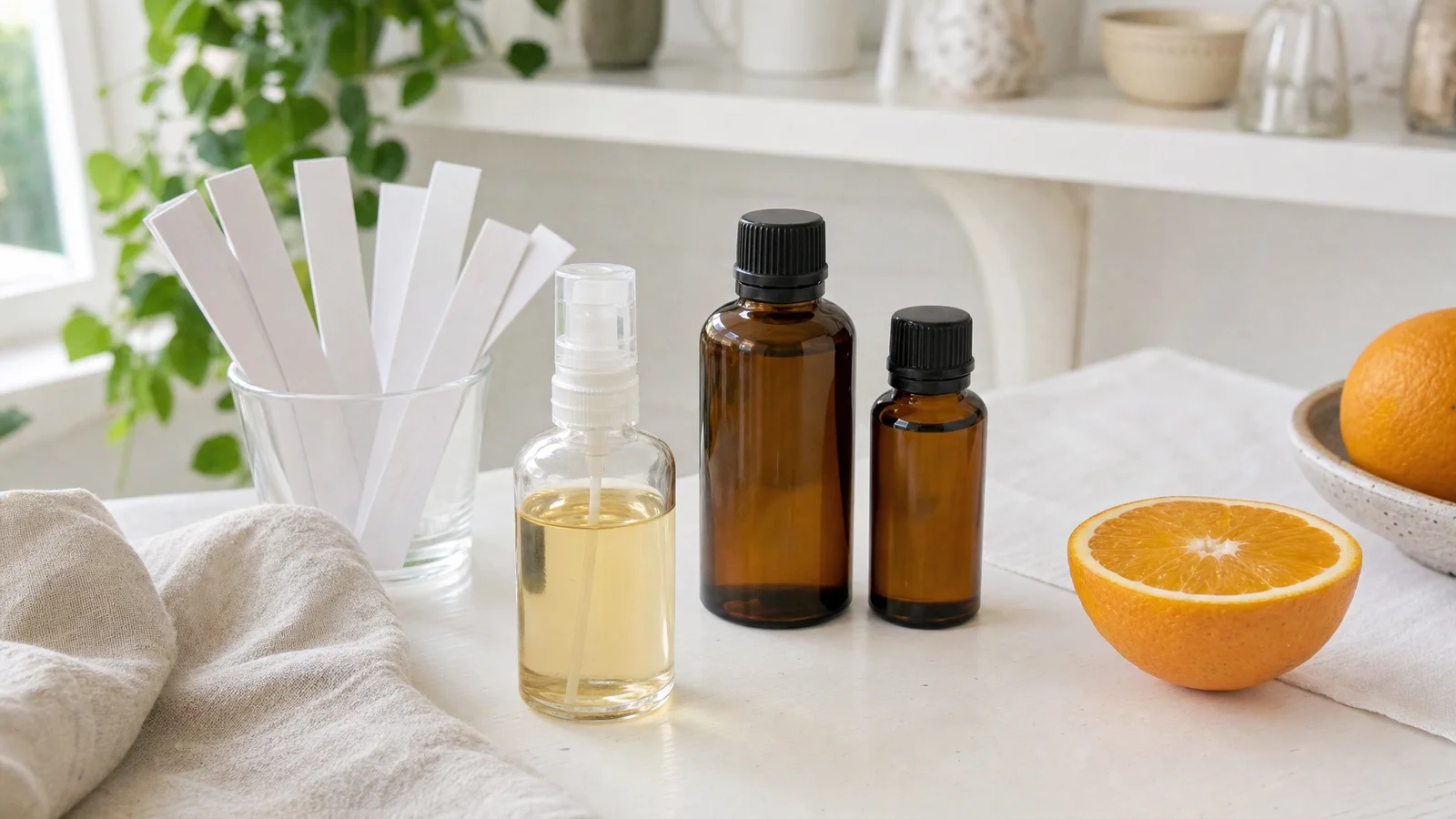
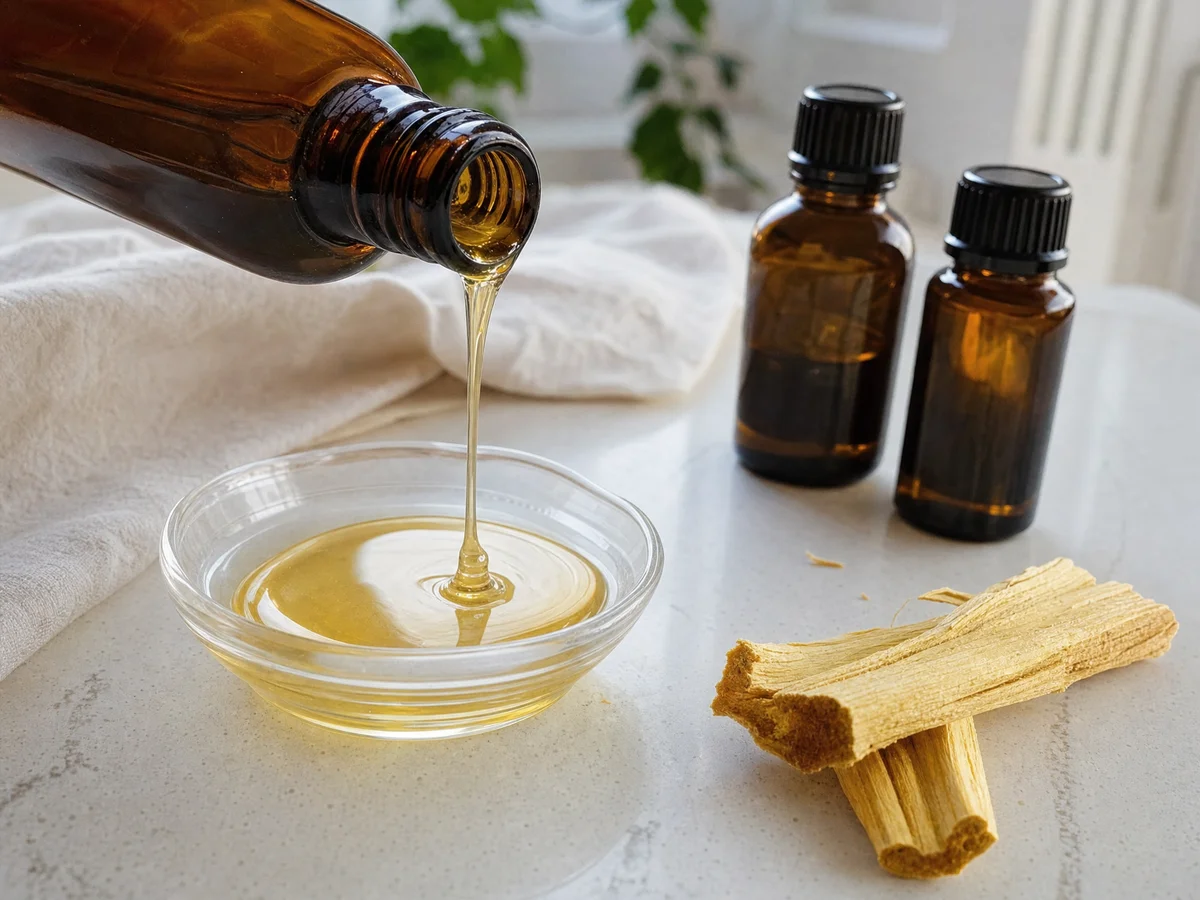
Amyris is a quiet oil, so hold the bottle at arm's length first and bring it closer slowly. You will notice a creamy, woody warmth with a balsamic edge, and a soft sweetness underneath that we describe as a vanilla undertone. It is pale yellow to light amber in the bottle, and it pours easily, with a light to medium body. Put a drop on a paper strip and come back to it after an hour: this is a wood oil that rewards patience.
How people tend to use it
Makers reach for amyris in solid perfumes, body oils, soap and candle making, room sprays, reed diffusers and evening diffuser blends. We sell the oil, not the bases, so the wax, carrier and bottles come from a craft supplier. It blends comfortably with lavender, bergamot, geranium and ylang ylang, and it is a gentle way to give a bright oil some staying power.
What we sell
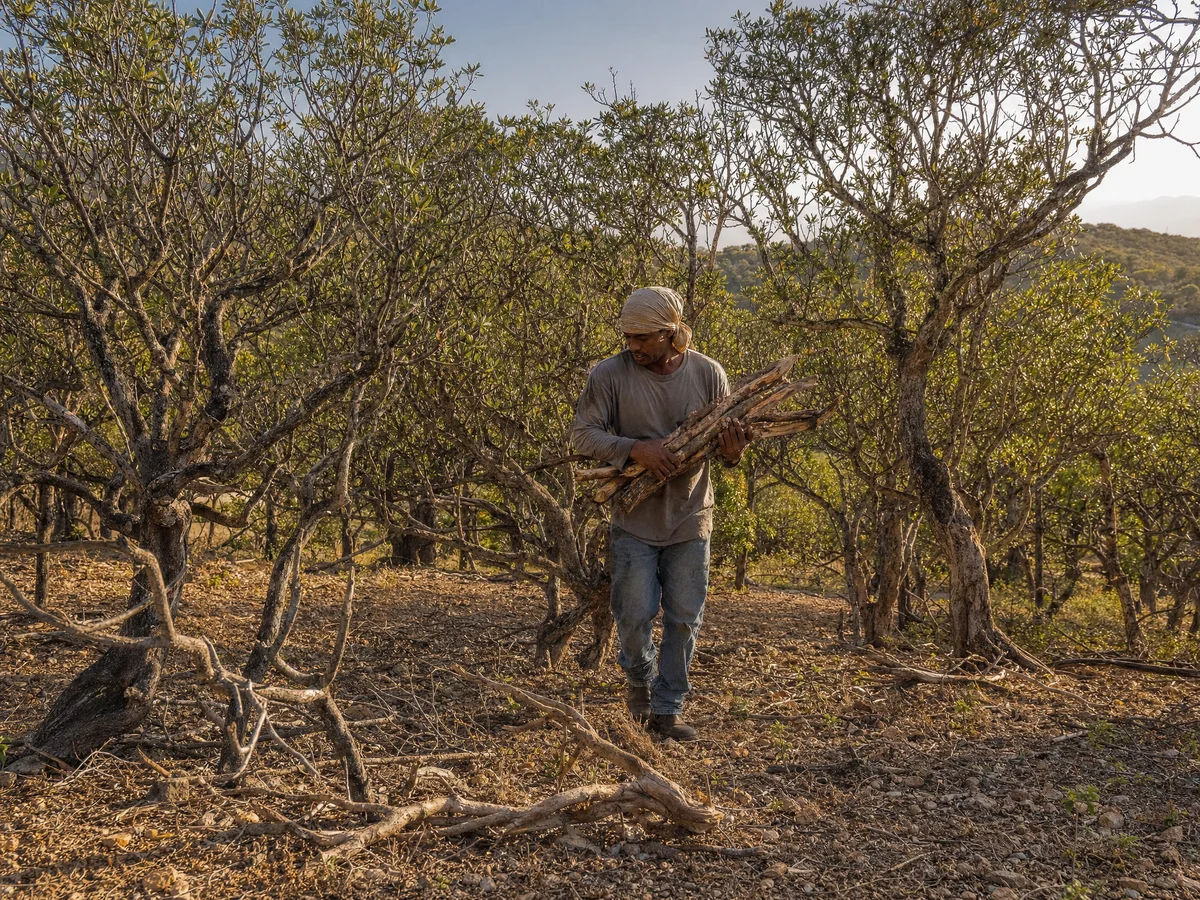
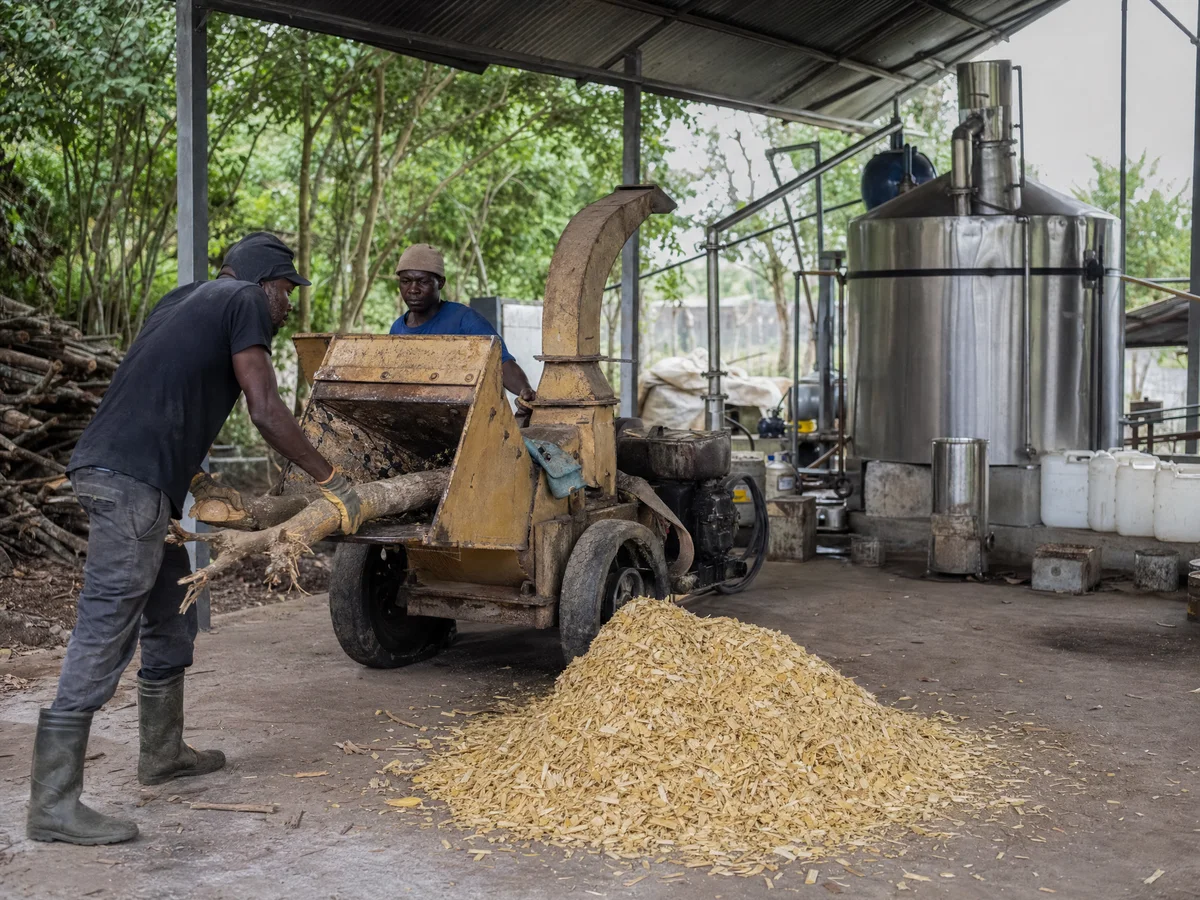
We sell one amyris oil, undiluted, in sizes from 0.5 oz up to 400 lb. Its scent is creamy, woody and balsamic with a soft vanilla undertone, and it sits in the base of a blend, where it helps citrus and floral top notes last longer. We describe the wood as fallen branches and pruning by-product from farms in Haiti, with only resin dense heartwood distilled. We make no medicinal claim for it, and this page makes none either. To see how it behaves, try our diffuser blends or compare it with other bases in base note oils.
Keeping it well
Like any essential oil, amyris is happiest in a tightly closed bottle kept somewhere cool and dark, away from sunlight. Unopened, it typically keeps for 4 to 6 years that way. Once it is open, put the cap back on promptly, and write the date on the bottle so you remember when you started it. If you decant a larger size, move it into a smaller airtight bottle so there is less air sitting above the oil.
Who it suits
Amyris suits anyone who wants a quiet wood note for a perfume base, soap, candle or diffuser blend and is happy to buy it as amyris. It is the wrong choice if you want the milky, santalol rich character of true sandalwood, which we do not sell. And it is for external cosmetic use only: do not swallow it, and keep it away from eyes, children and pets. For skin, dilute to 0.5% to 2% in a carrier oil and patch test first. The dilution chart turns that into drops, though drops are only a rough unit.
A good first project
Start small. Put a drop of amyris on a paper strip, and next to it a strip with one citrus oil and one floral oil from your own shelf. Smell all three, then smell the blended version after ten minutes. Write down what you notice in a few plain words. That page of notes will teach you more about how amyris behaves than any description we could write.
Three questions for any seller
- Which plant part and which process? You want the answer in writing.
- Can I see a GC-MS report for this lot? Density and refractive index are screens, but only a chromatogram shows the compounds.
- Is it sold as amyris, with its Latin name? A bottle that says only "West Indian sandalwood" leaves you guessing.
Those three questions tell you more than any adjective on a label. If you are weighing amyris against other woods, woody oils compared is a good next stop.
Amyris Essential Oil
Amyris Essential Oil from our own shop, in sizes from 0.5 oz to bulk.
From $23.99
Shop Now →Sources & Further Reading
- GBIF Backbone Taxonomy, Amyris balsamifera and Santalum album matches. api.gbif.org
- Citrus ID (idtools.org), after Cottin R., 2002. Balsam torchwood entry. idtools.org
- Kucharska M et al., 2021. Molecules 26(8):2249. pmc.ncbi.nlm.nih.gov
- Aliksir. Amyris balsamifera essential oil product sheet. aliksir.com