Organic Essential Oils: What the Label Really Means
"Organic" is one of the most persuasive words on a bottle, and one of the least understood. It describes how a crop was grown and handled, and it works as a promise about the farm rather than a readout of what is in the oil. We want to be straightforward about where our amyris stands: we do not sell it as certified organic, and we would rather help you decide what you actually need than lean on a word.

Amyris Essential Oil
Our own Amyris Essential Oil, in sizes from 0.5 oz to bulk.
From $23.99
Shop Now →What the word can mean on a US bottle
For cosmetics, the FDA has no definition of "organic." It points to the USDA's National Organic Program, which covers the certification of agricultural ingredients and sets labelling rules around it (FDA, "Organic" Cosmetics). The FDA is equally plain that an organic source does not make an ingredient safer: many plants, grown organically or not, contain substances that can be toxic or allergenic.
The practical takeaway is that a real organic claim names a certifier. A bottle that says "organic" and does not tell you who certified it is giving you a feeling, not a fact.
How to read the front of a bottle
Look for the Latin name, the plant part, the process, and a lot number. If the word "organic" is there, look for the certifier's name near it. When a label crowds five adjectives around the Latin name and names no certifier, treat the adjectives as decoration. The labels worth trusting are usually the plainer ones, because the information is doing the talking.
Organic is about the farm, not a residue test
A common assumption is that organic means "tested free of pesticides." Certification is about growing and handling standards, and a residue result is a separate piece of paper. That distinction is worth holding onto, because it tells you which document to ask for depending on your question.
That is also why we suggest thinking about what kind of oil you are buying. Cold-pressed citrus peel, sprayed seed and herb crops, and a distilled wood oil are very different starting points, and the more a crop is treated in the field, the more a certificate or a lot-specific residue report is worth asking for. For a distilled wood oil, the batch's own paperwork is usually the more informative document.
When organic is worth paying for
This ordering is our reasoning from the sources above, not a published rule.
- Cold-pressed citrus oils, because the whole peel is pressed and the fruit is a heavily managed crop.
- Oils from seed, herb and flower crops that are sprayed while they grow.
- Oils from tree wood or resin. A report on the specific batch usually tells you more than an organic label does.
- Any oil going into a product you plan to call organic. Your label depends on your ingredients' certification, so this one is simply a requirement.
None of this means organic is a poor choice. If a certified farm matters to you for your own reasons, that is a perfectly good reason to look for one, and a certificate is something you can ask any seller to show.
Where our amyris fits
The USDA does have a route for wild-gathered plants: the harvest area must have had no prohibited substances applied for three years, and gathering must not harm the environment (7 CFR 205.207). We do not hold organic certification under that or any other standard.
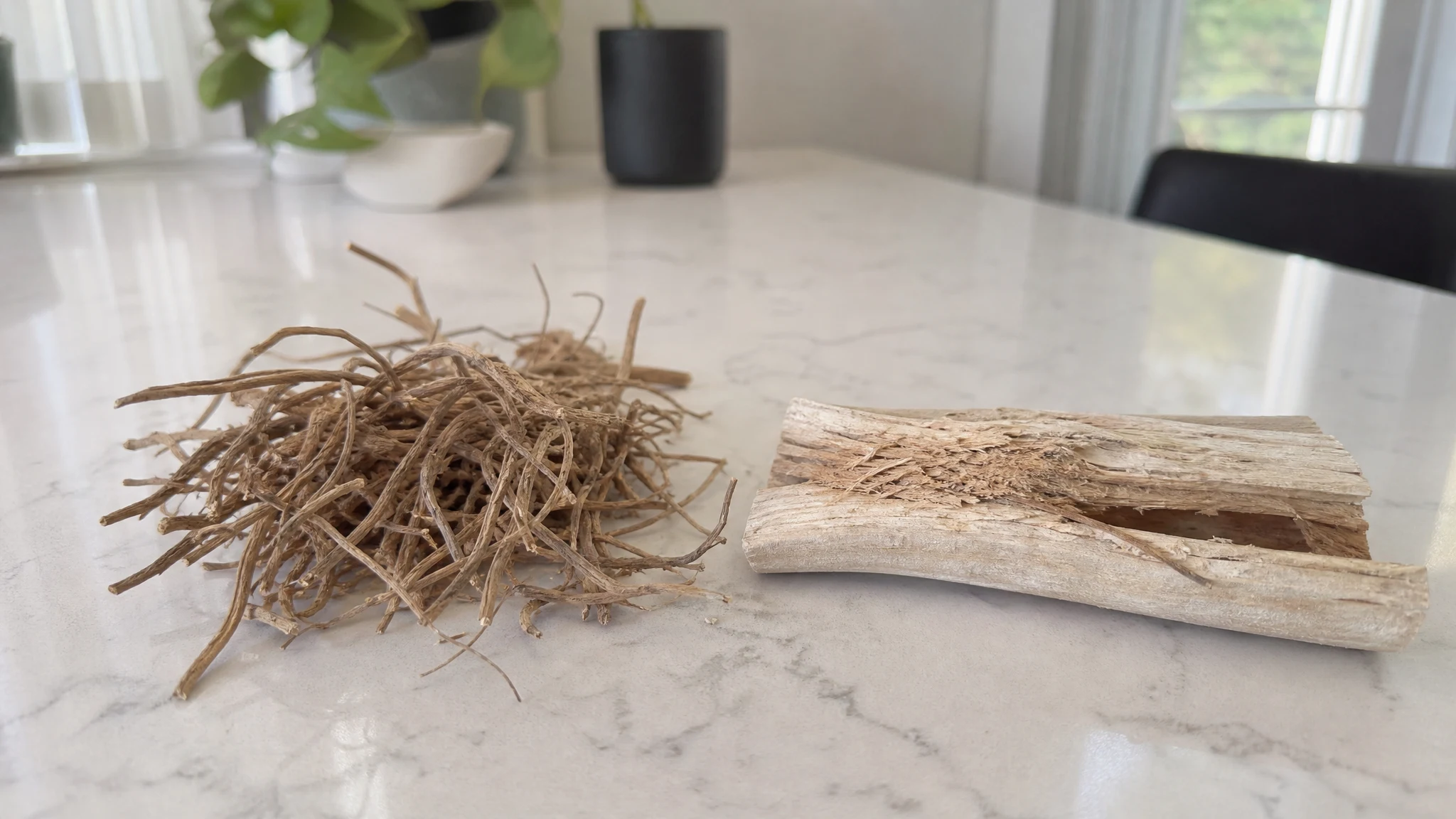
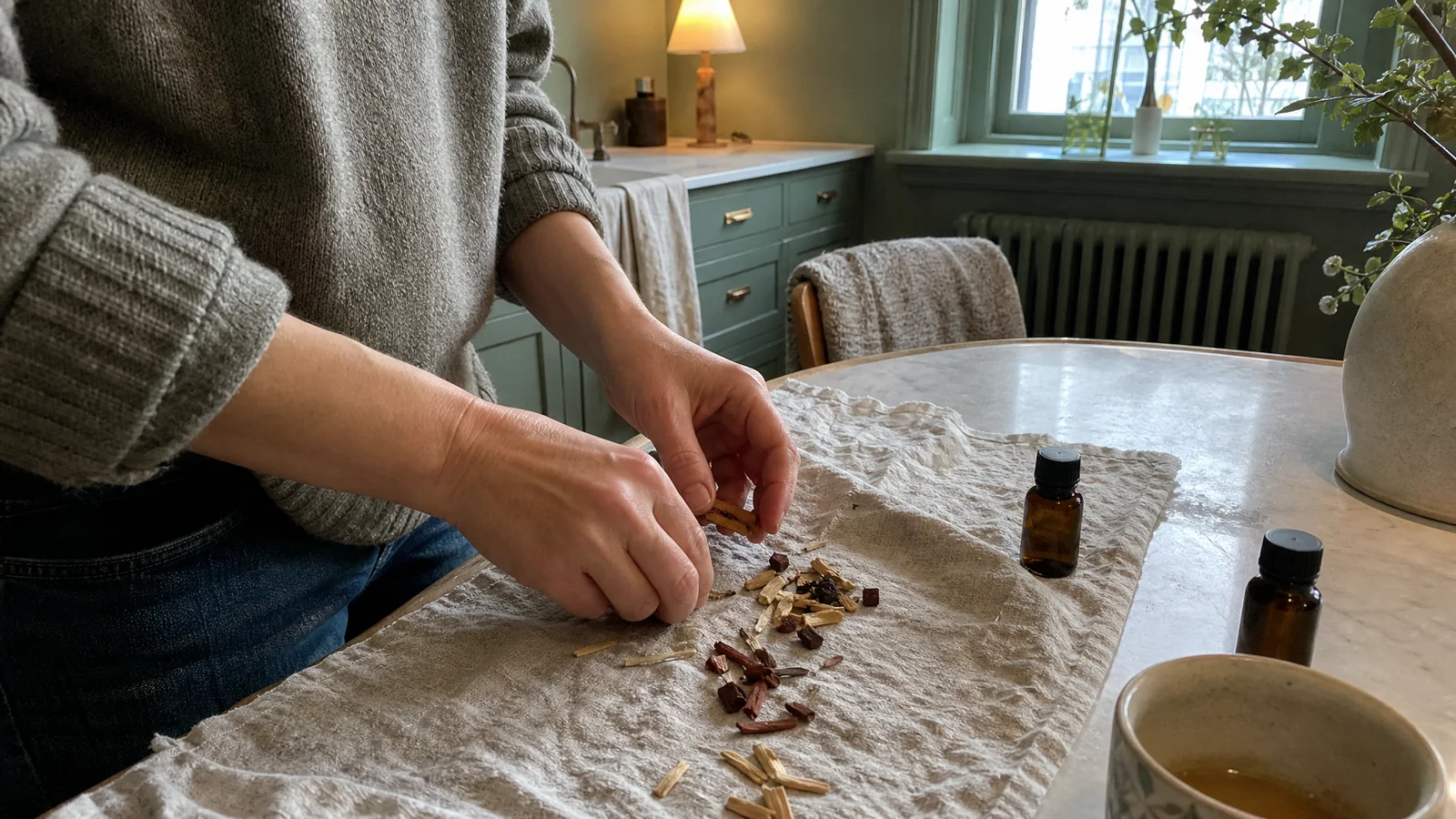
Our amyris is steam-distilled from wood. It is not certified organic, and we do not describe it that way. If you need a certificate, because you plan to label a finished product organic or because your own rule is certified only, we would point you to a supplier who holds one, and we would rather you buy the right thing than a nearly right one.
If what you want is documentation, we can help with that. The Certificate of Analysis we publish for one batch lists density, refractive index and optical rotation. If you need a GC-MS report, or want to know what analyses exist for the lot you are ordering, ask us in writing through the contact page before you buy. Wholesale and bulk buyers can also start at our wholesale page.
Decide what you want the word to do
It helps to write down what you actually need before you shop. Is it a certain way of farming, a residue result, or a certificate for a product you plan to label yourself? Each of those is answered by a different document, and knowing which one you want saves a lot of back-and-forth with a seller. Most of the confusion around organic oils comes from using one word for three different needs.
Four questions that sort out any "organic" claim
- Who is the certifier, and is the name on the product?
- Does the certificate cover this oil or its plant material, and is it current?
- Is there a residue report for this lot, with the method and the limits used?
- Is the oil cold-pressed or distilled?
The habit of asking for the document instead of trusting the word runs through our guides on choosing essential oils, adulteration, why prices vary and sustainability. Skin comfort, as opposed to farming, depends on dilution and an individual's sensitivity, which our safety guide covers.
Organic is a useful filter when a certificate or a citrus oil is involved, and a lighter one for a distilled wood oil, where the batch paperwork says more. We would rather tell you that plainly than let a word on a label do work it has not earned.
Amyris Essential Oil
Amyris Essential Oil from our own shop, in sizes from 0.5 oz to bulk.
From $23.99
Shop Now →Sources & Further Reading
- FDA. "Organic" Cosmetics. fda.gov
- US Code of Federal Regulations, Title 7, section 205.207. Wild-crop harvesting practice standard. law.cornell.edu