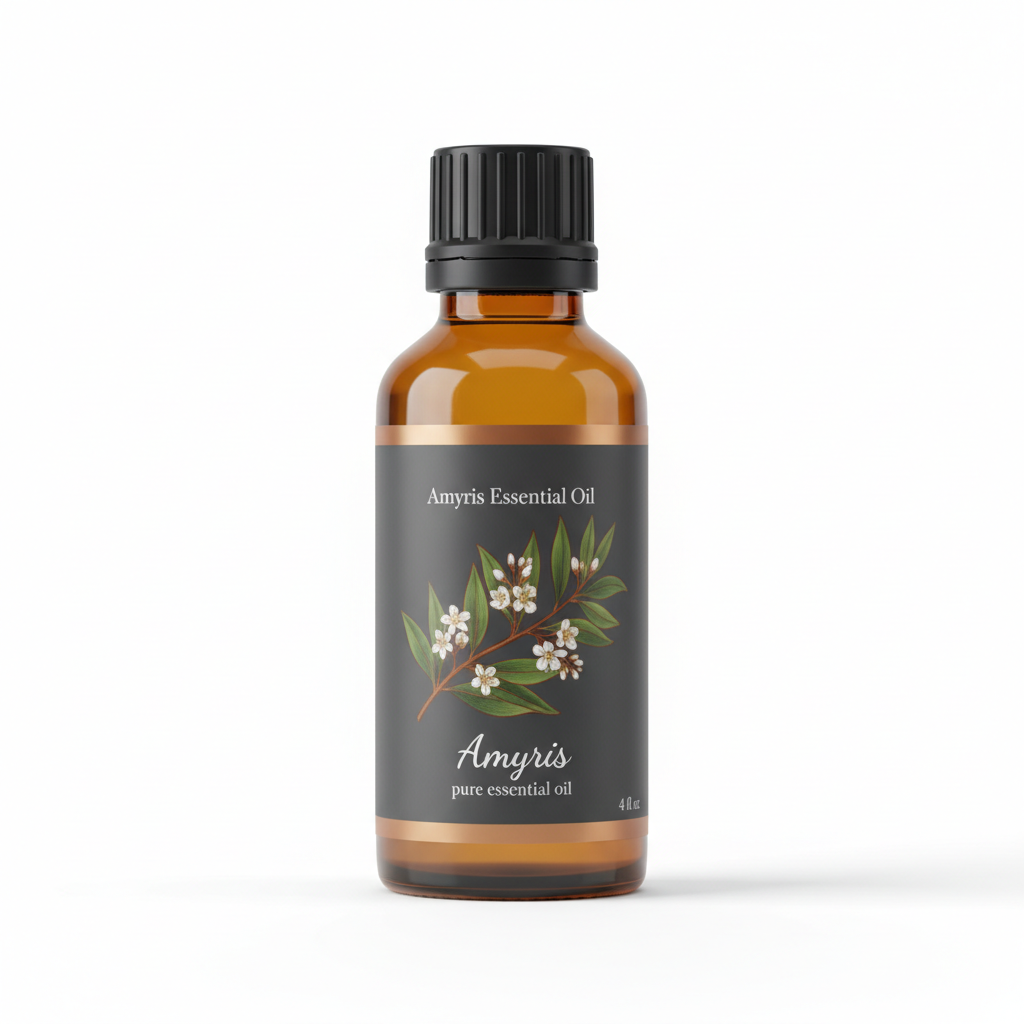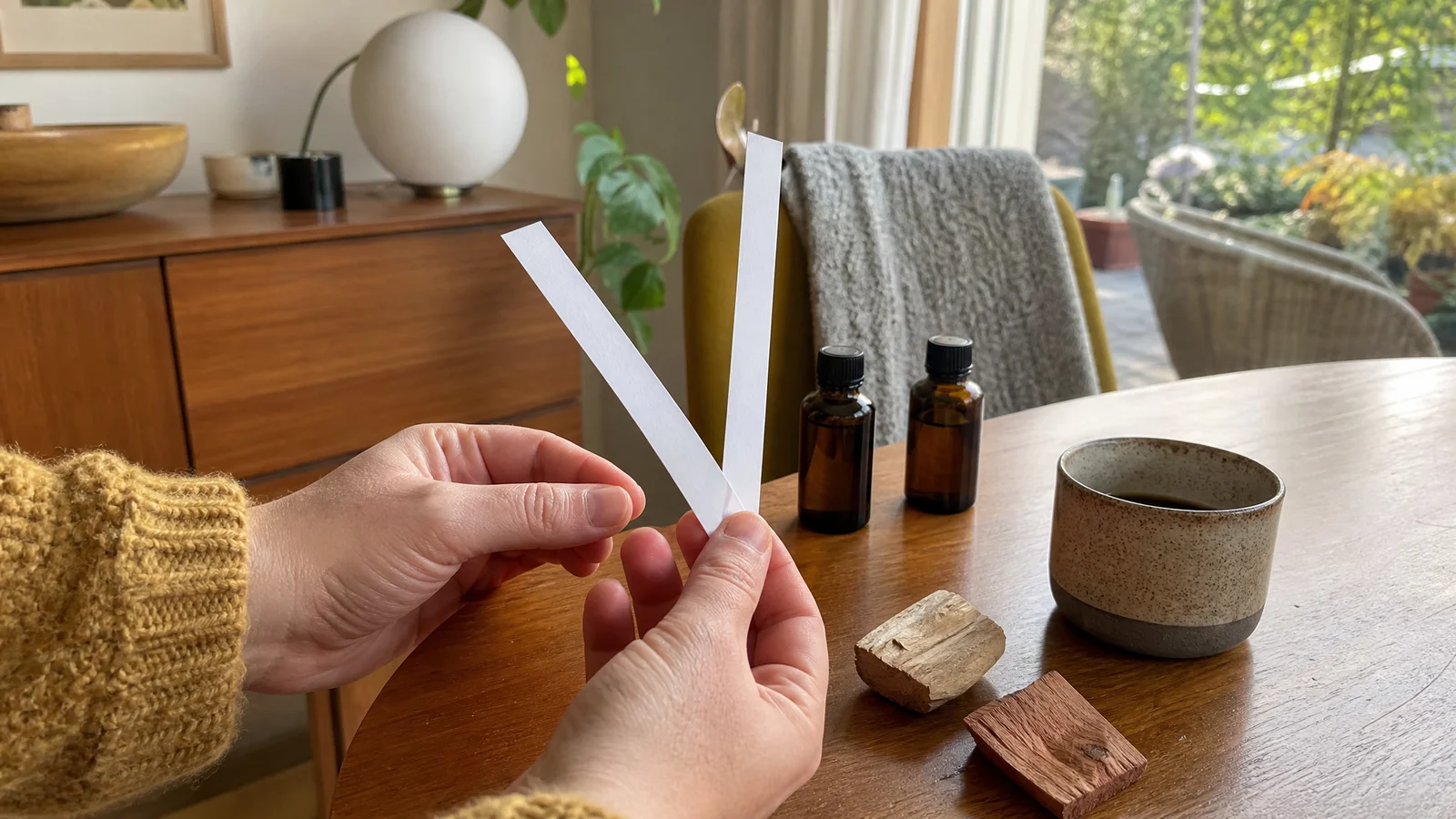
Amyris vs Cedarwood: Which Wood Oil Fits Your Blend?
Cedarwood oil comes from junipers, amyris from a Caribbean tree. See how the scents differ and which woody base note suits your blend.
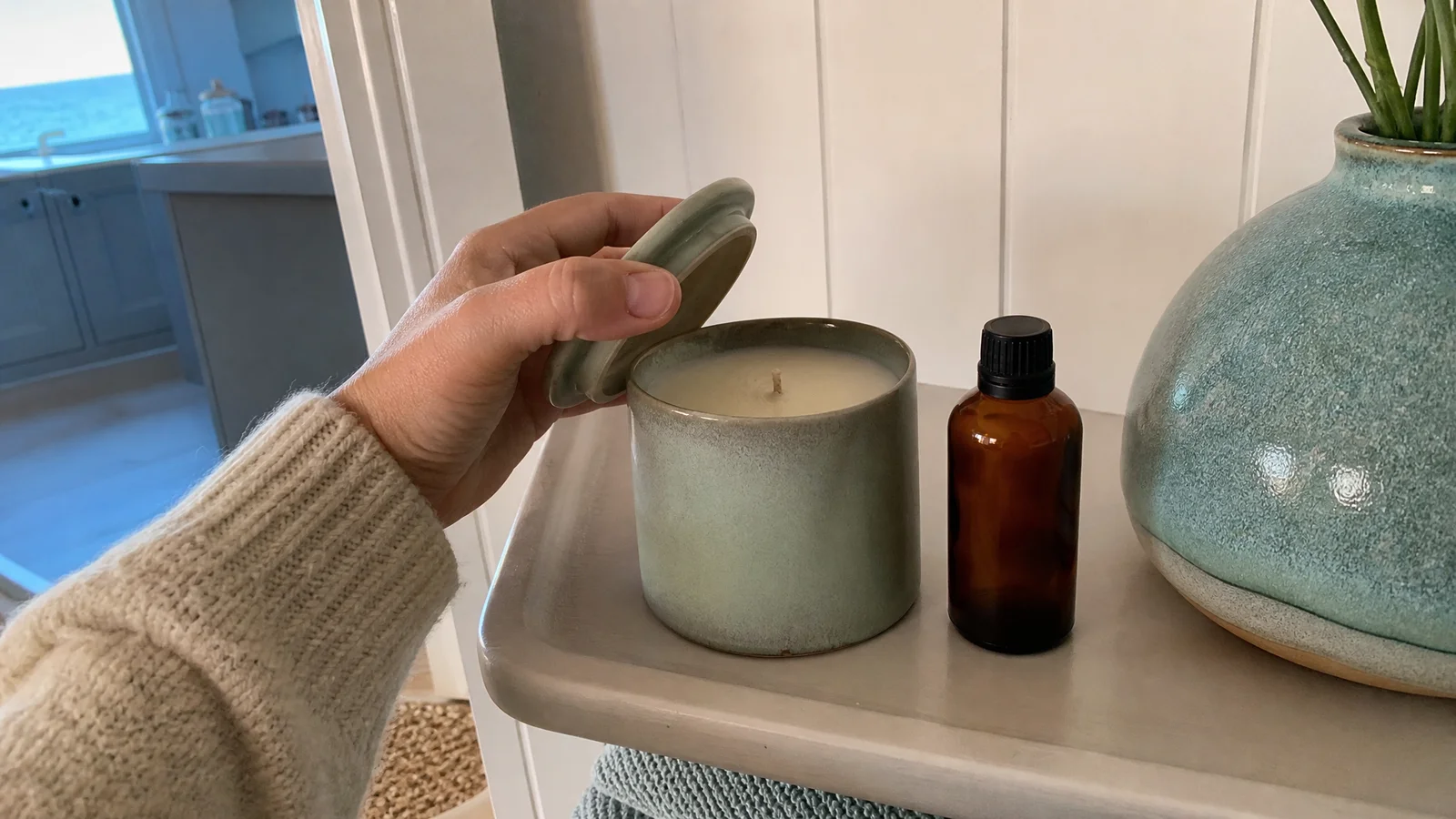
Essential Oil vs Fragrance Oil: What You're Really Buying
One is a named plant, the other a designed scent. Here is what that means for labels, safety and when each one is the right choice.
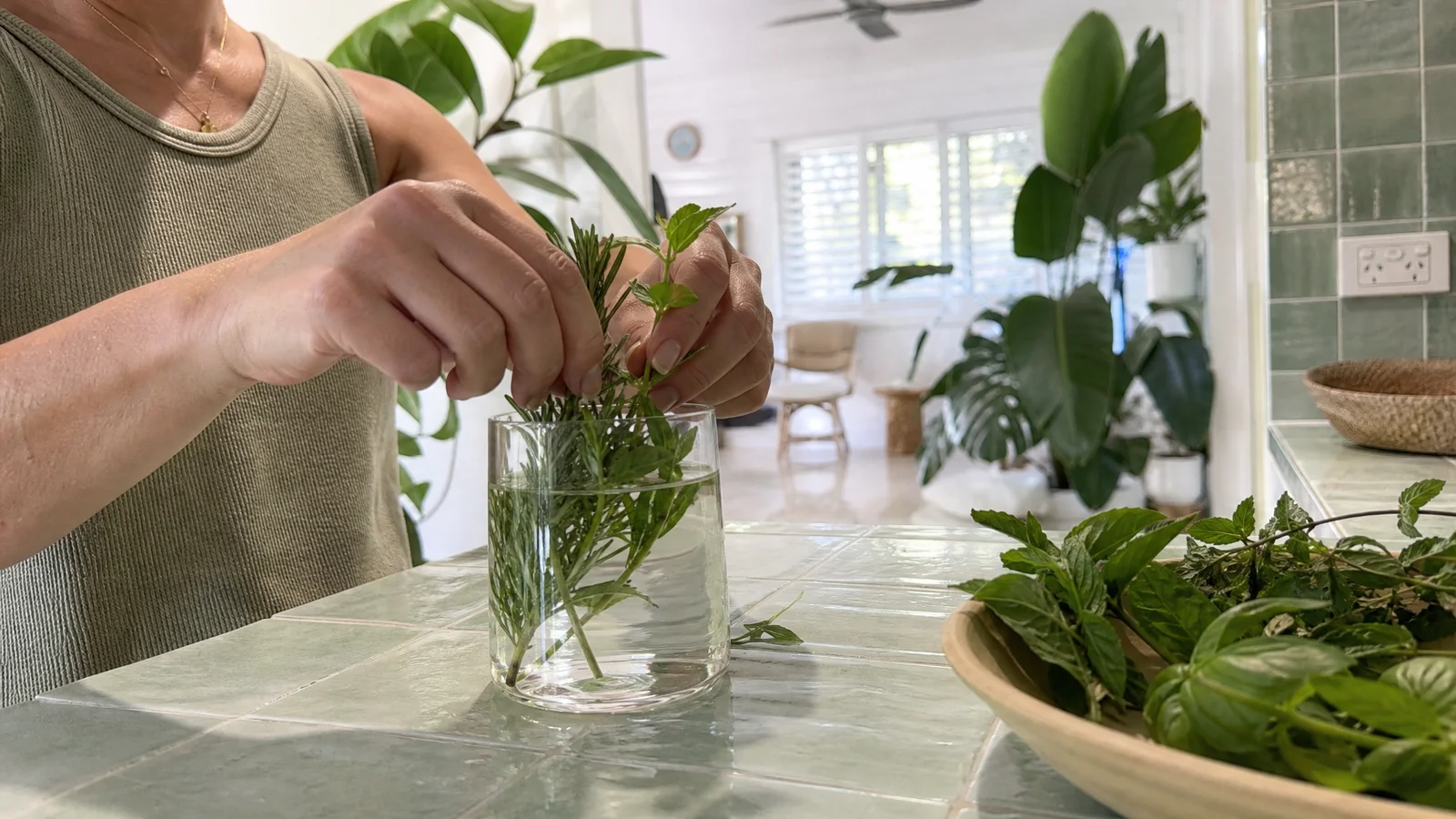
Organic Essential Oils: What the Label Really Means
Organic describes the farm, not a lab result. What the word covers, when it matters most, and four questions to ask any seller.
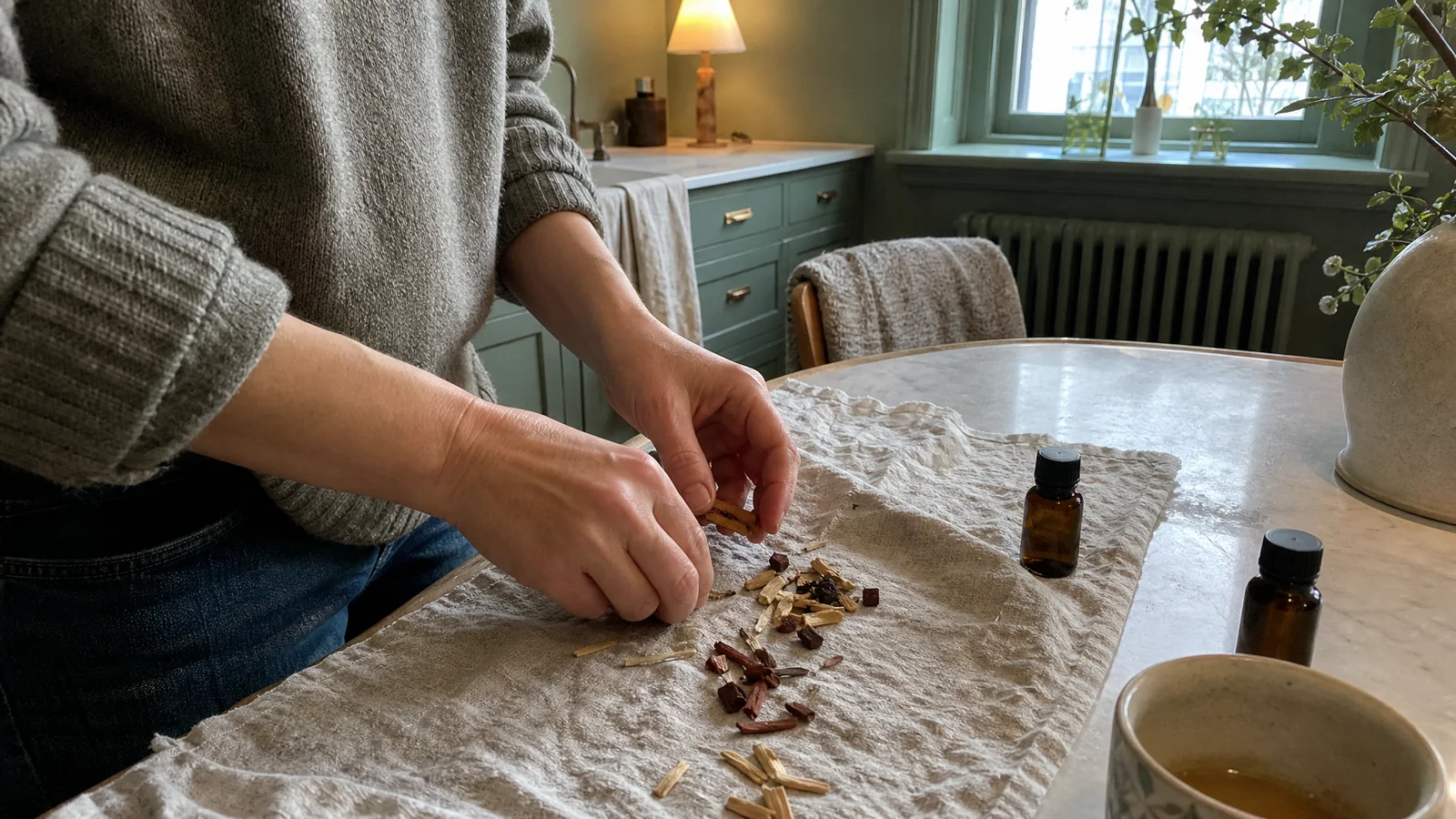
Woody Essential Oils Compared: Which Job Each Does
"Woody" is a smell, not a source. See how cedar, sandalwood, vetiver and amyris differ in a blend, and where amyris fits best.

Types of Diffusers: Which One Suits Your Space?
Mist, vapour, warmth or slow evaporation: four diffuser types in plain English, and four questions that pick the right one for you.
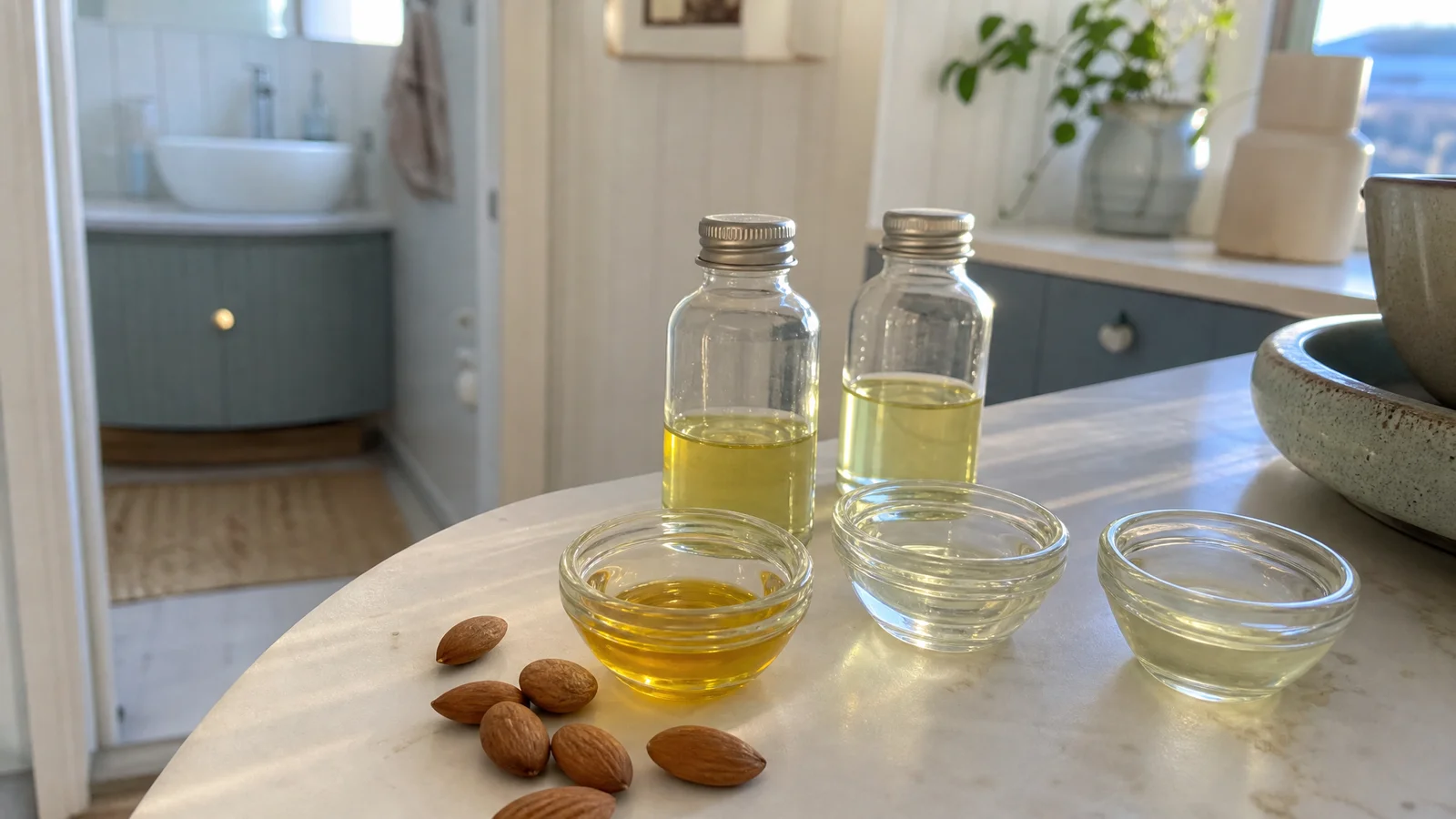
Carrier Oils: How to Choose One for Your Blends
The carrier is up to 99% of your blend. Here is how to choose one that stays fresh, suits the job and lets a woody oil shine.
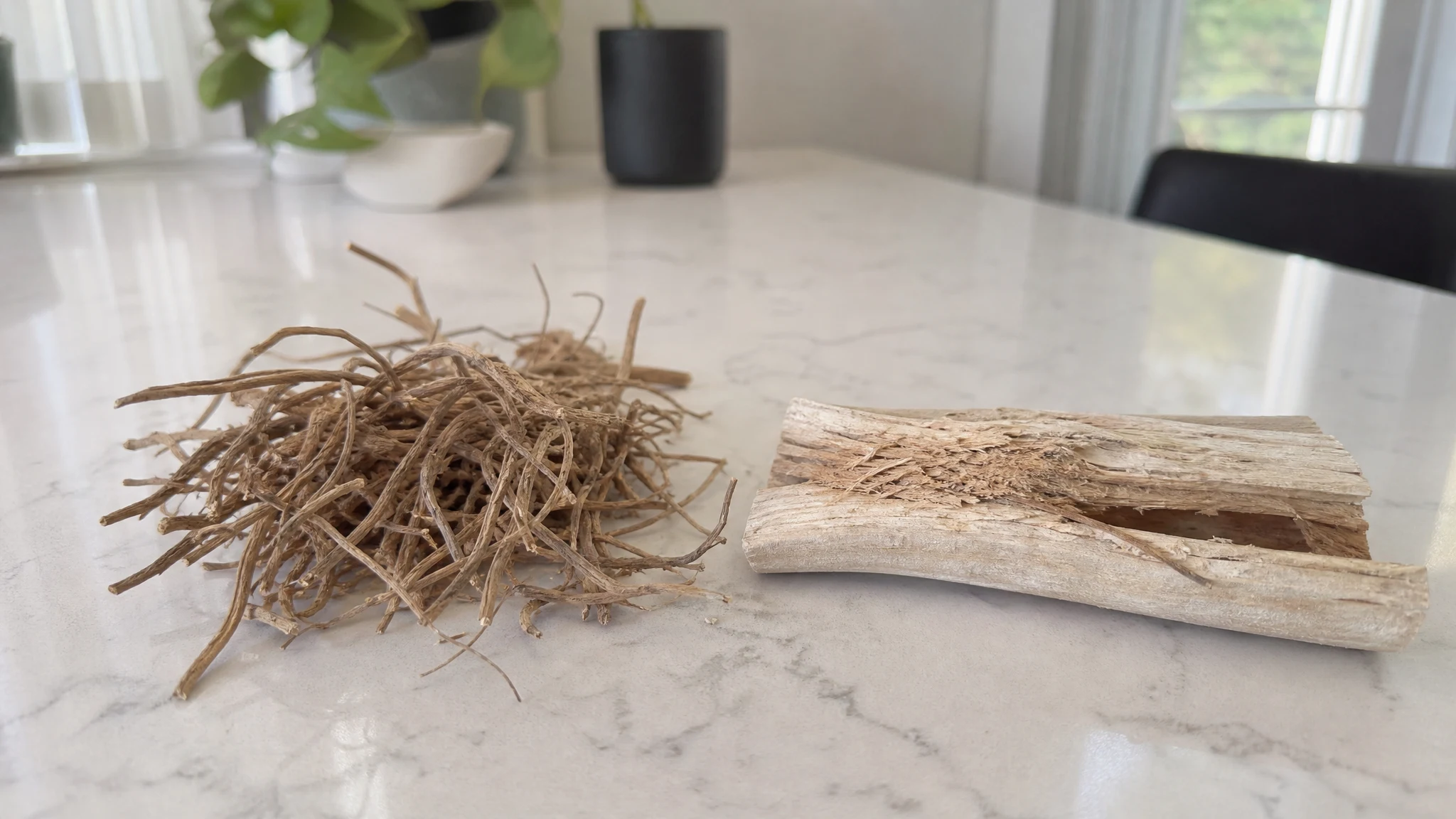
Amyris vs Vetiver: Soft Floor or Smoky Earth?
Amyris gives a blend a soft woody floor, vetiver brings dry smoky earth. How they differ, plus an old Haitian trade rule that tied the two together.
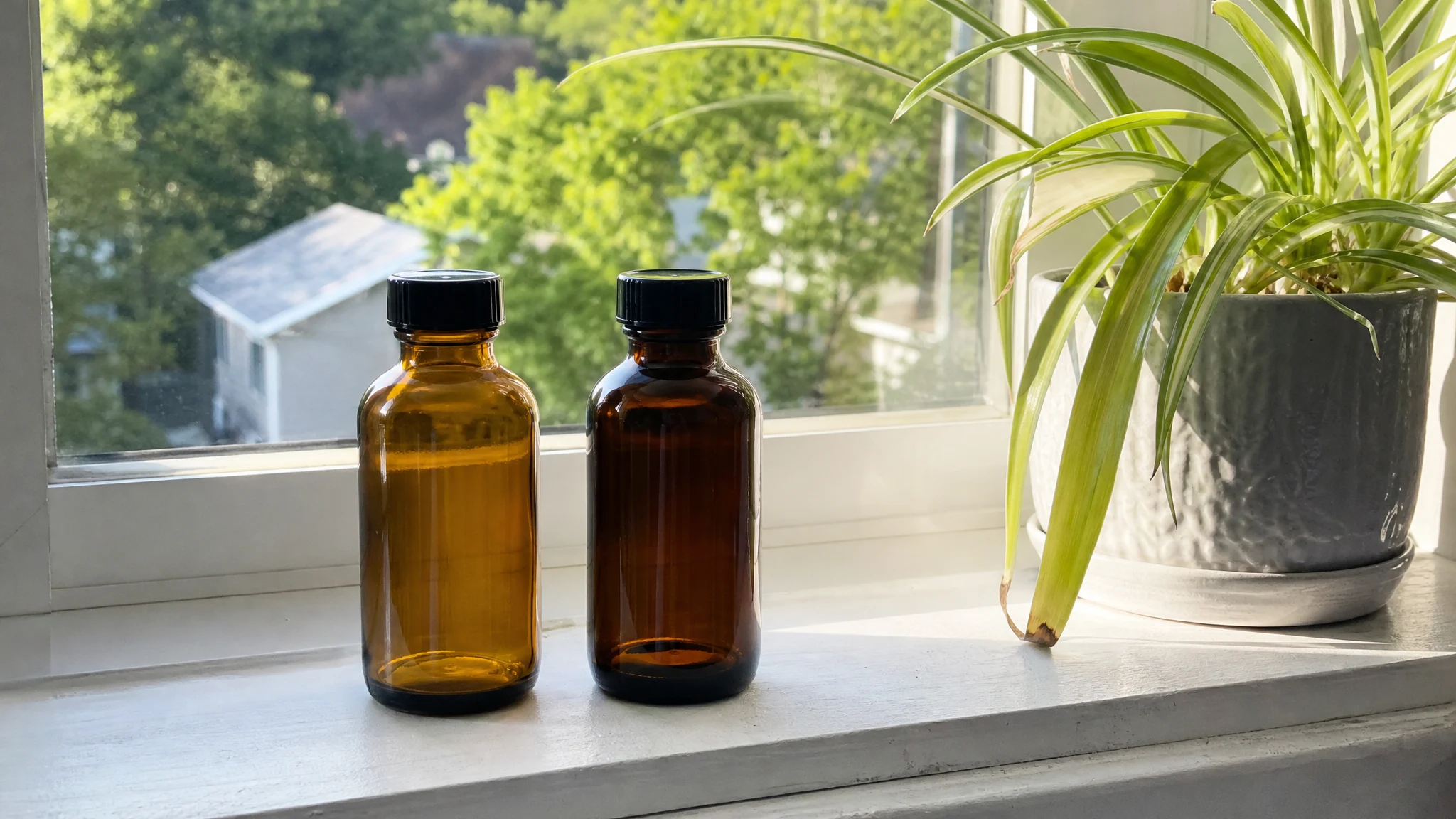
Amyris vs Copaiba: Wood Oil or Resin?
Amyris oil comes from wood and copaiba from a tree resin. Learn how the two differ in chemistry and in a blend, and which one to reach for.
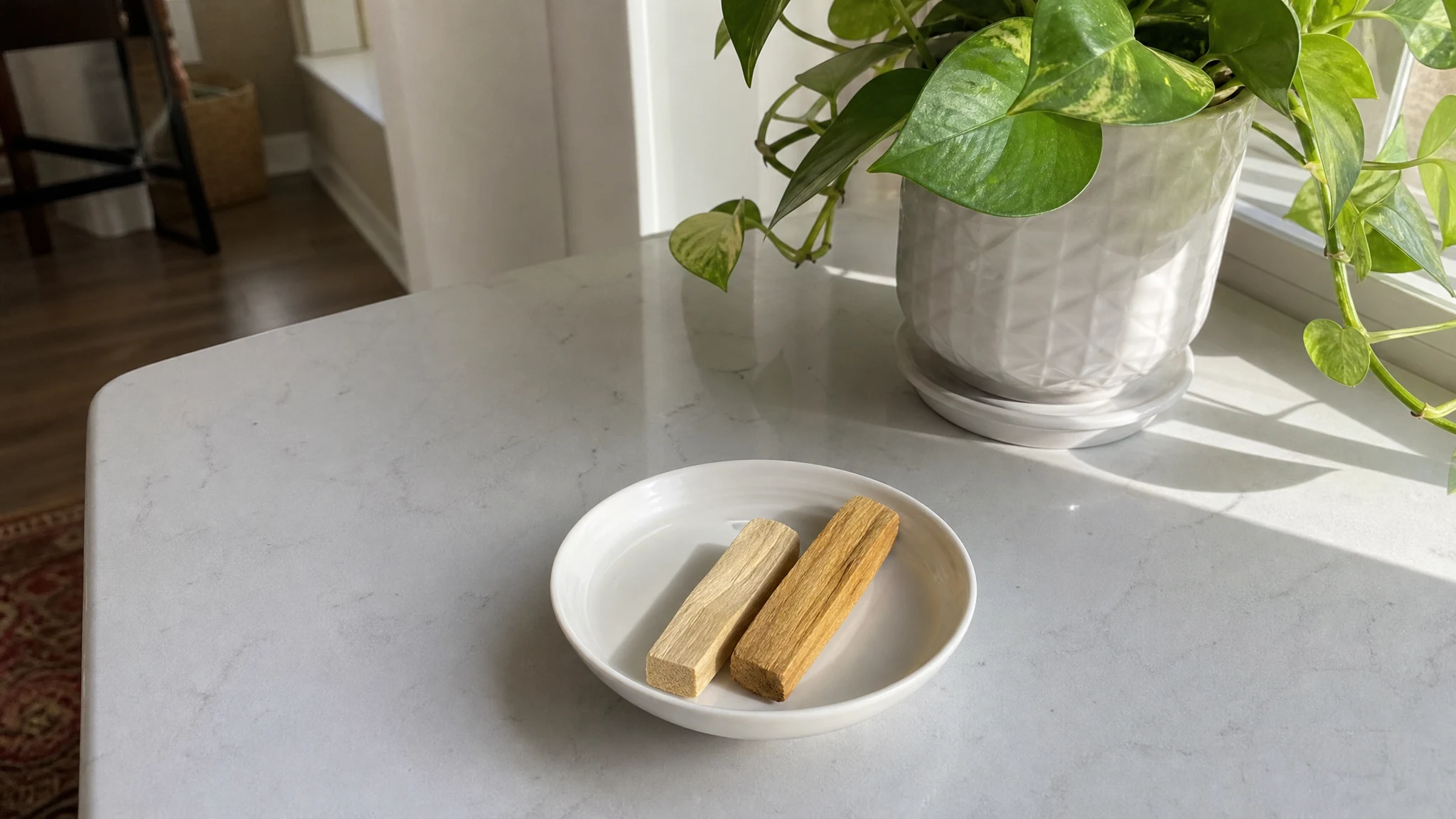
Amyris vs Sandalwood: Same Scent Family, Different Tree
Amyris is called West Indian sandalwood but is a different tree with different chemistry. Here is how to decide which one your blend needs.