How Amyris Oil Is Distilled: Wood to Amber Oil
Amyris oil begins as hard, dense wood from a Caribbean tree and ends as a pale amber liquid with a creamy, balsamic scent. Between those two points sits one of the more patient processes in the essential oil world, and walking through it in order tells you a lot about why the oil smells the way it does.
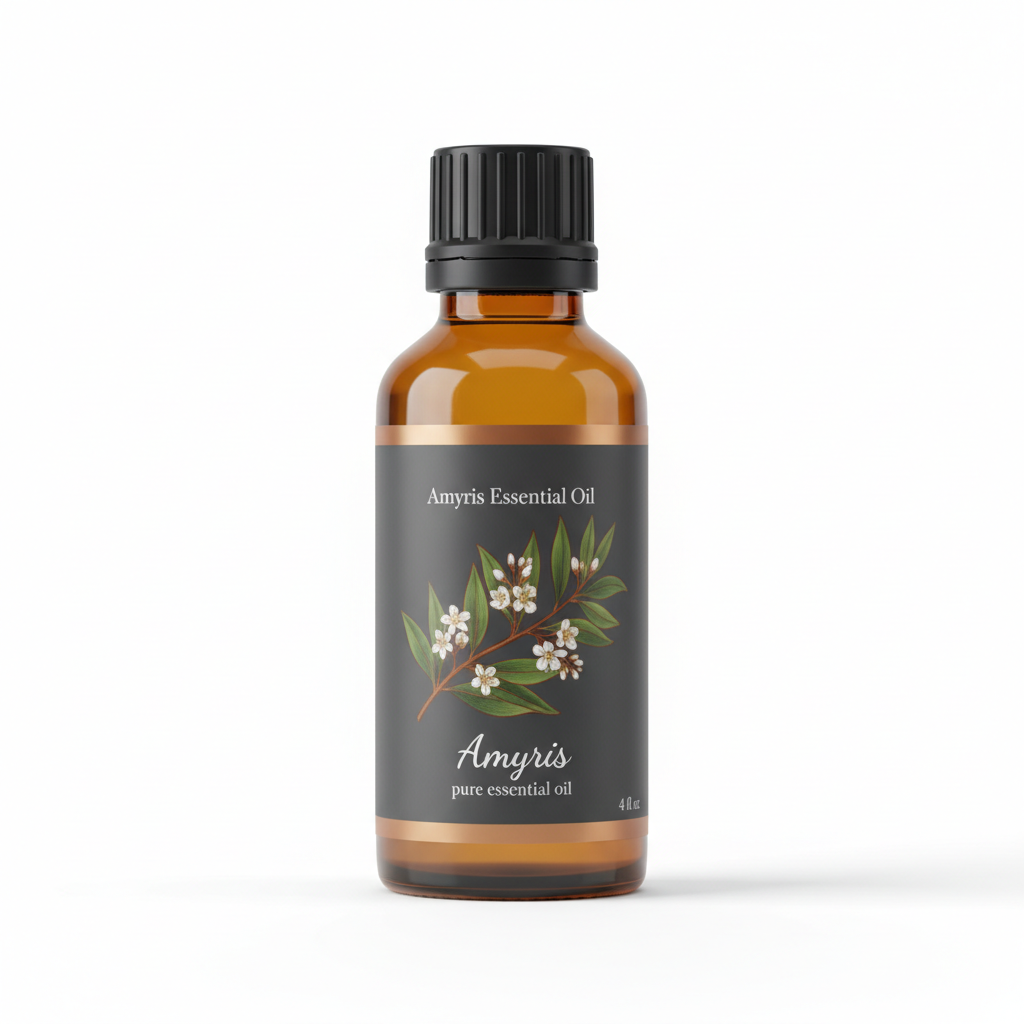
Amyris Essential Oil
Our own Amyris Essential Oil, in sizes from 0.5 oz to bulk.
From $23.99
Shop Now →Stage one: wood that waits
Amyris is distilled from wood, not leaves or flowers, and wood does not give up its oil easily. It has to be dried first. Accounts in the trade literature disagree on how long. A 2016 report on Haitian essential oils from ETC Group, summarizing a 1983 study by Leslie Delatour, says the wood needs at least six months of drying, while a French fragrance company quoted in the same report says at least a year, and ideally two or three. We take that as a sign that “aged” covers a wide range.
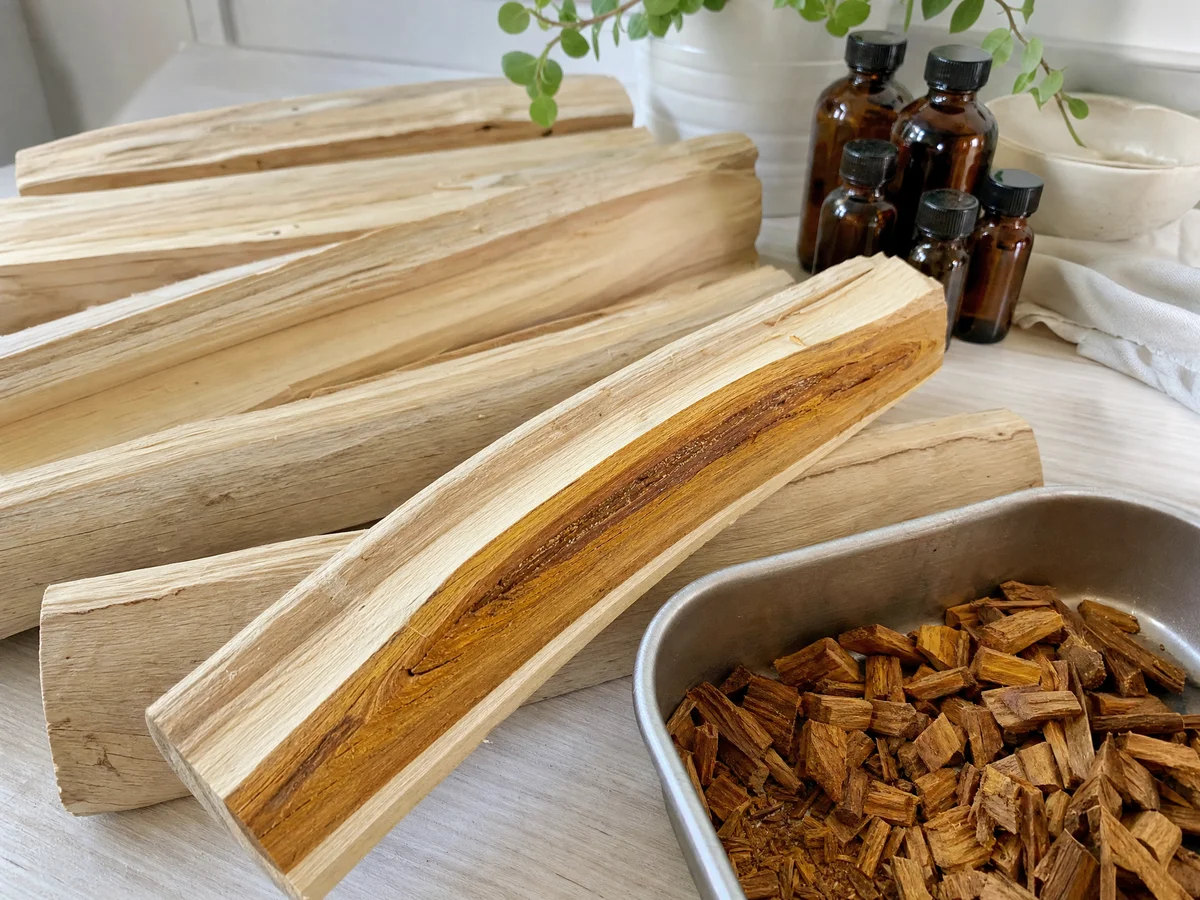
Our wood is naturally fallen branches and trunks plus pruning by-product from farms where amyris grows as a boundary or shade tree, aged in the sun, with only the resin-dense heartwood going to the still and the sapwood set aside.
Stage two: chips
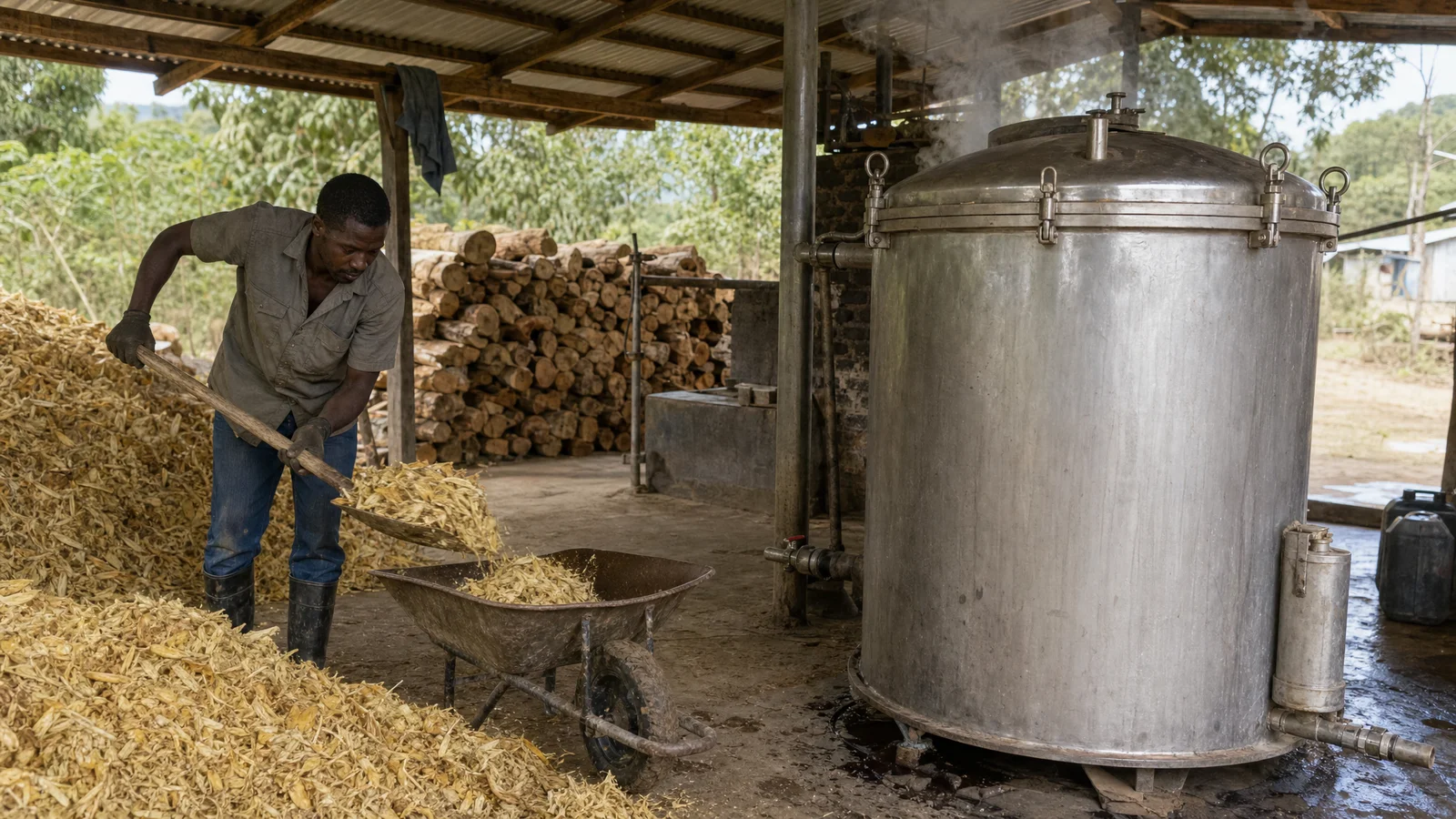
Dense wood has to be broken up so steam can reach it. Delatour's account has the wood chipped by hand and then ground to sawdust, and the fragrance company describes it as coarsely crushed. Our wood arrives as chips, offcuts and billets and is chipped before distilling. The finer the pieces, the more of their surface the steam meets, which is the usual logic of every distillation.
Stage three: the still
Steam passes through the chipped heartwood, carries the oil with it, and is cooled so that oil and water separate. Amyris is slow. Arctander noted in 1960 that wood oils are often distilled for more than 24 hours, naming amyris as an example, and Delatour's account reports runs of up to 168 hours, seven days. The same account says the wood is corrosive enough that stainless steel is the material to use.
We steam our chipped heartwood and run each charge out fully, which means the still keeps going until the wood has given up what it has. We would rather tell you what we do than put numbers on it that we cannot stand behind.
We find it hard not to admire a process this unhurried. Most things we buy are made to be quick, and this one rewards patience at every step: waiting for the wood, breaking it down, letting the steam do its slow work. That is part of why we are happy to let the oil speak in a quiet voice.
Stage four: rest and finish
The fragrance company's account says the finished oil is then refined for several months or even a year to reach the scent the perfumer wants. Once it is bottled, our guidance is simple: keep it in a cool, dark place, where we describe a typical 4 to 6 years unopened. Our storage guide explains how to keep a bottle at its best.
Meeting the finished oil
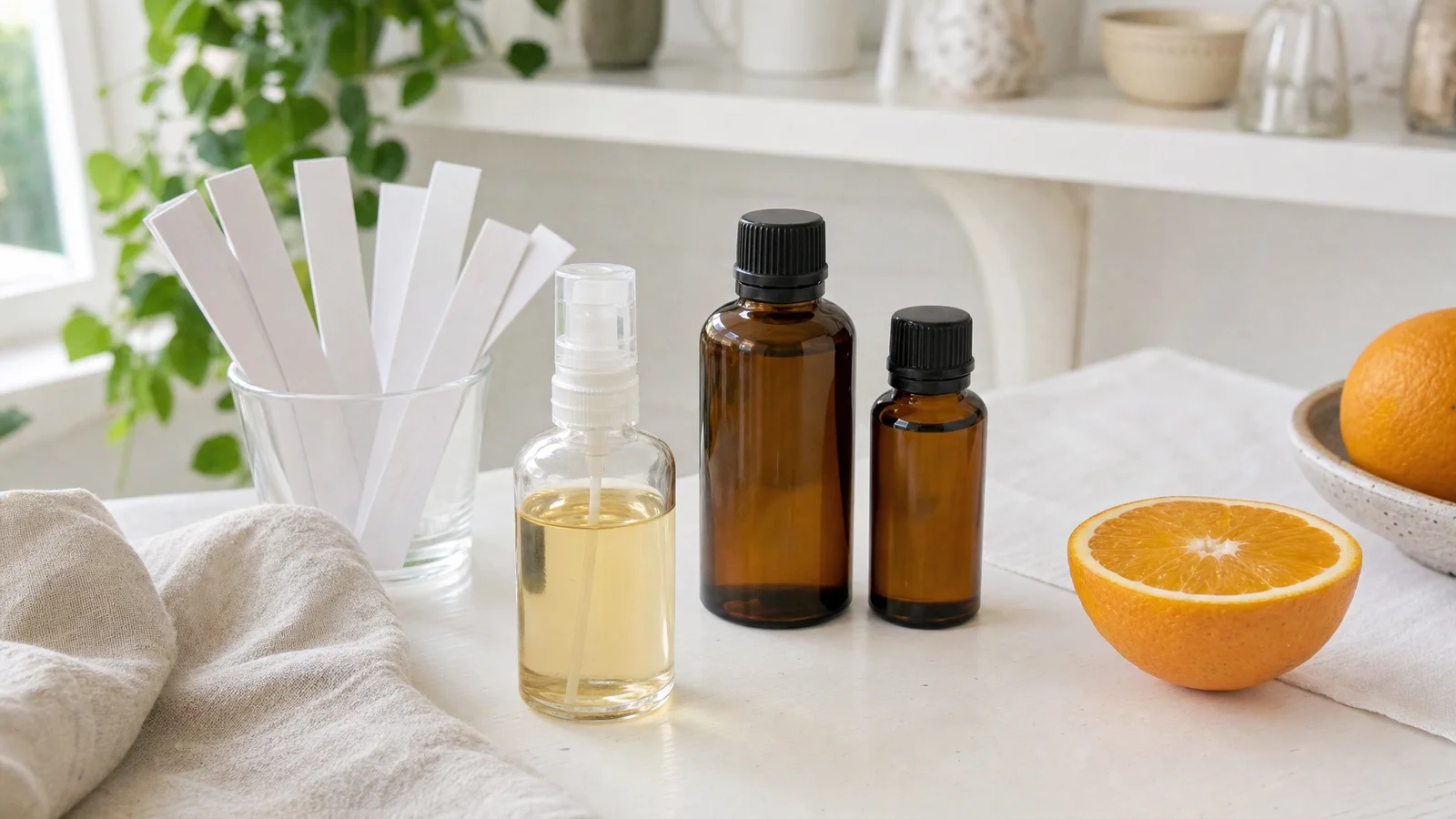
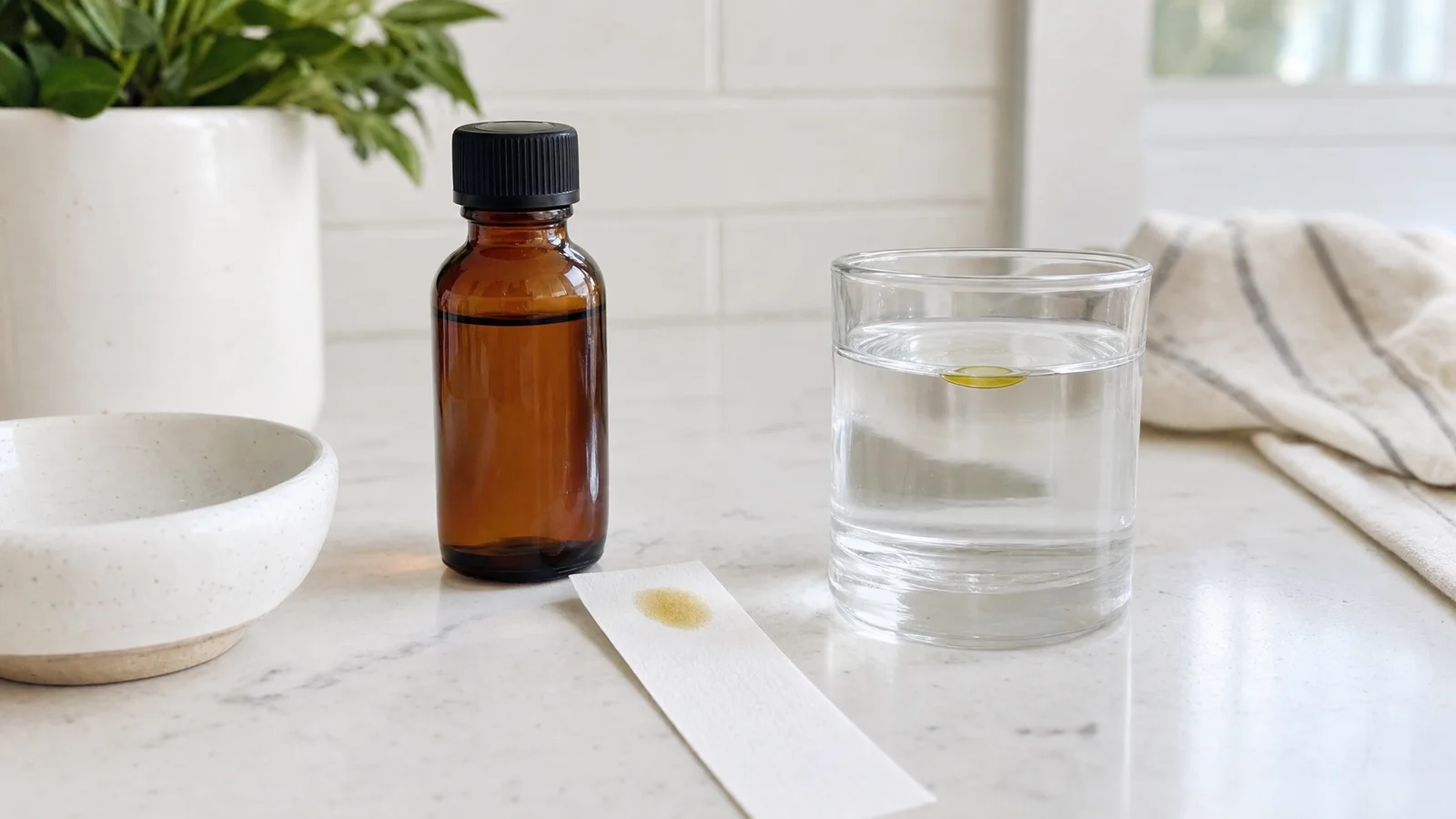
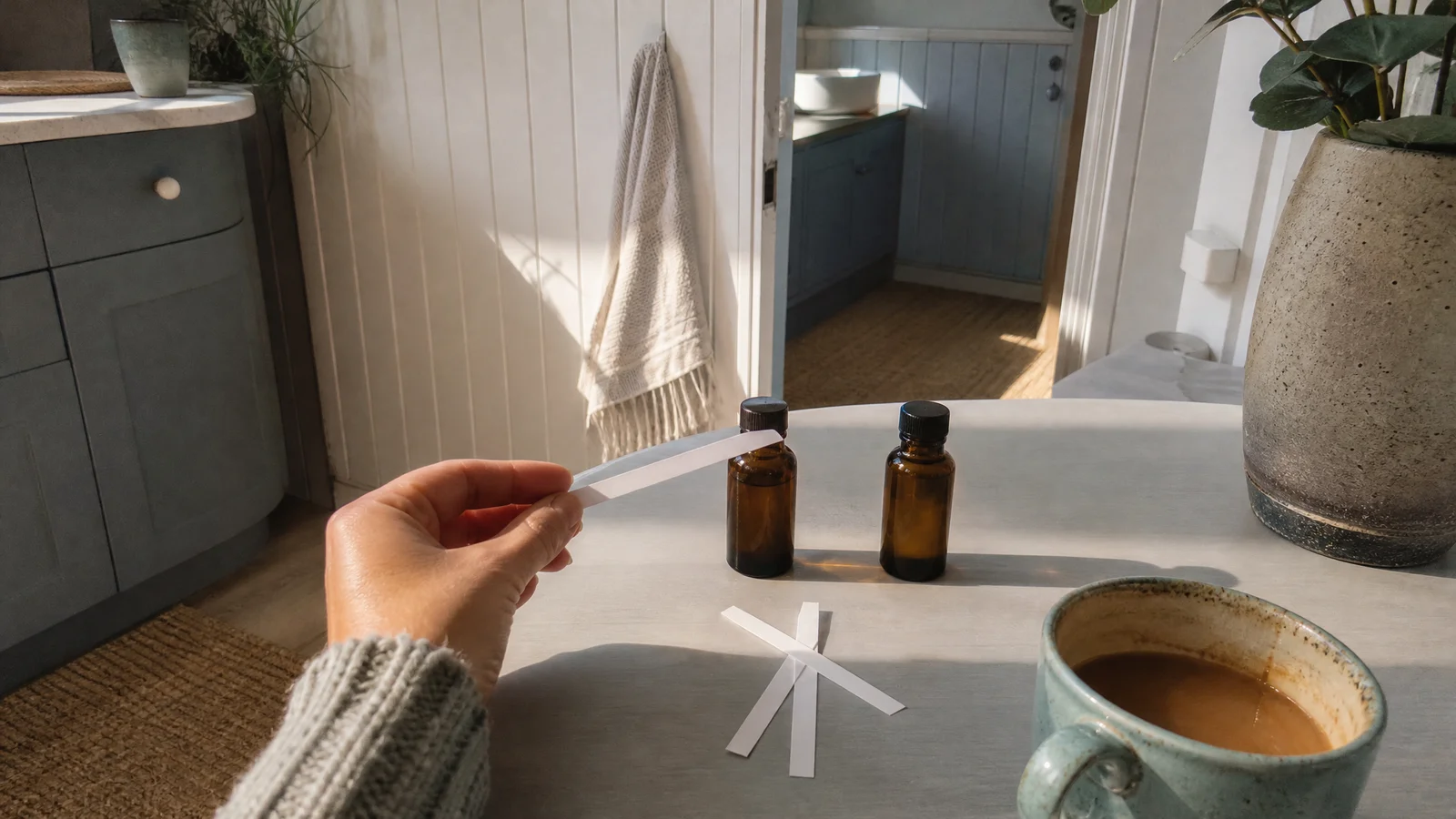
All that patience ends in a surprisingly gentle liquid. Ours pours pale yellow to amber, with a light to medium viscosity, and the first impression is creamy and woody with a balsamic edge and a soft vanilla undertone. Put a drop on a blotter and come back to it over the next hour. You will notice it does not rush away, which fits everything the long process would lead you to expect from a heavy wood.
What you can check on the finished oil
The Certificate of Analysis we publish for one batch states “Steam Distilled” and lists three physical measurements against their reference windows: relative density at 20 C of 0.952 (reference 0.946 to 0.978), refractive index of 1.505 (1.504 to 1.512) and optical rotation of +21.32 degrees (+20.00 to +45.00). Those are screening checks, and reasoning from how wide the windows are, they show a batch is consistent with genuine amyris more than they describe how it was made.
If you want the fuller picture, ask us for the GC-MS report for your lot in writing through the contact page, and read how to read a GC-MS report first so the numbers mean something. Chemistry can vary between lots, which our chemistry post explores.
Questions worth asking any wood oil seller
- Which part of the tree was distilled?
- How long was the wood dried, and how was it chipped?
- What kind of still was used, and how long did each run last?
- Does the bottle carry a lot reference you can quote back?
A seller who is proud of the process is usually happy to talk about it, and a vague answer is information too. We would rather you asked us these things than took our word for them.
Why the long road is worth knowing about
It explains the character of the oil. A slow, patient process on hard wood gives a heavy, resinous material that Arctander called very tenacious in the body of its scent. It also explains why “aged” and “traditional” are words worth asking questions about: how long, which part of the tree, what kind of still. Each bottle of ours carries a still date, a fill date and a lot reference, in amber glass.
Amyris Essential Oil
Amyris Essential Oil from our own shop, in sizes from 0.5 oz to bulk.
From $23.99
Shop Now →Sources & Further Reading
- ETC Group, October 2016. Haiti, Essential Oils & Synthetic Biology. etcgroup.org
- Arctander S. Perfume and Flavor Materials of Natural Origin, 1960. archive.org/details/ArctanderPerfumeryBook