Amyris Balsamifera: The Torchwood Tree Behind the Oil
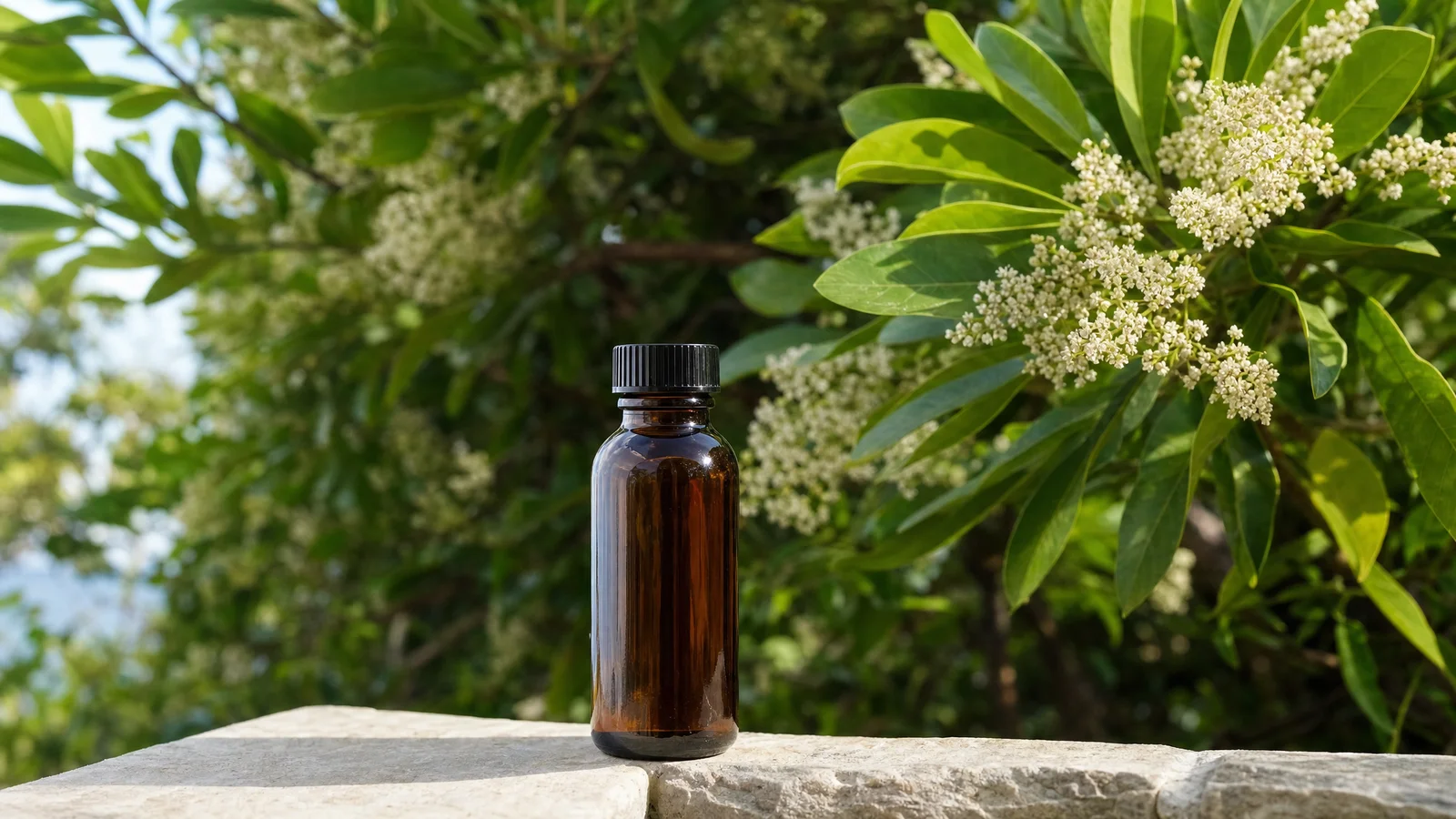
The names people have given this tree are a small story in themselves: torchwood, candlewood, and bois chandelle in Haiti. They suggest a wood that burns readily, which makes it a little funny that what comes out of the still is so soft, a creamy, woody, balsamic oil with a gentle vanilla undertone. Here is a closer look at the tree behind the bottle.
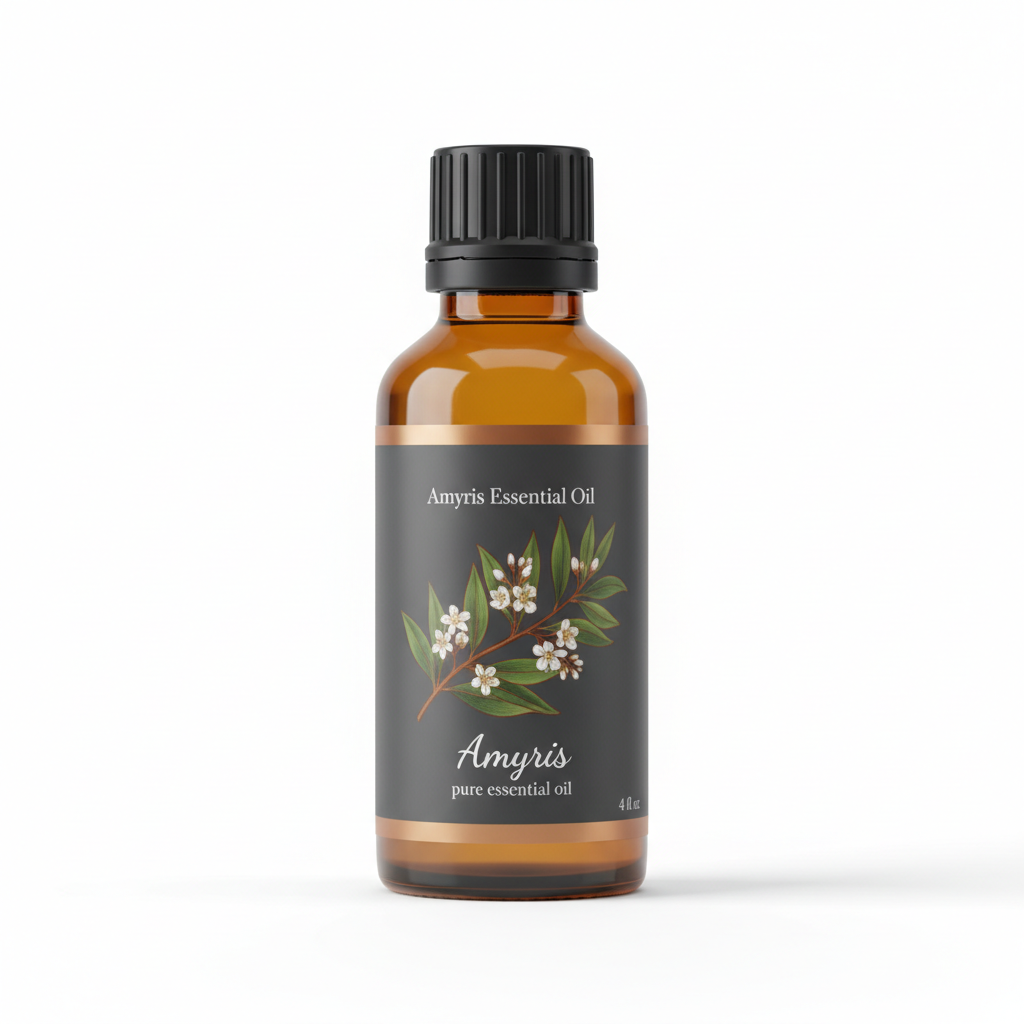
Amyris Essential Oil
Our own Amyris Essential Oil, in sizes from 0.5 oz to bulk.
From $23.99
Shop Now →A citrus cousin that is not sandalwood
Amyris balsamifera belongs to Rutaceae, the citrus family, according to the GBIF taxonomic backbone. That surprises people who know it as "West Indian sandalwood", one of the many names recorded for it in the GBIF vernacular names list, alongside balsam torchwood, guaconejo in the Dominican Republic and white cantoo in Jamaica. True sandalwood, Santalum album, sits in a different family and a different order altogether. The nickname is a nod to a similar woody feel, not a family tie. We say plainly that our oil is not sandalwood, and our naming guide goes through the story.
A tree with a wide address
It is easy to picture amyris as a Haitian tree, because that is where our wood comes from. The range, though, is much bigger. The distribution records GBIF draws from the World Checklist of Vascular Plants list the tree from Mexico down through Central America to Colombia, Venezuela and Ecuador, and across the Caribbean in Cuba, Jamaica, Haiti, the Dominican Republic and Puerto Rico (see the GBIF distributions). Haiti is one dot on a long map.
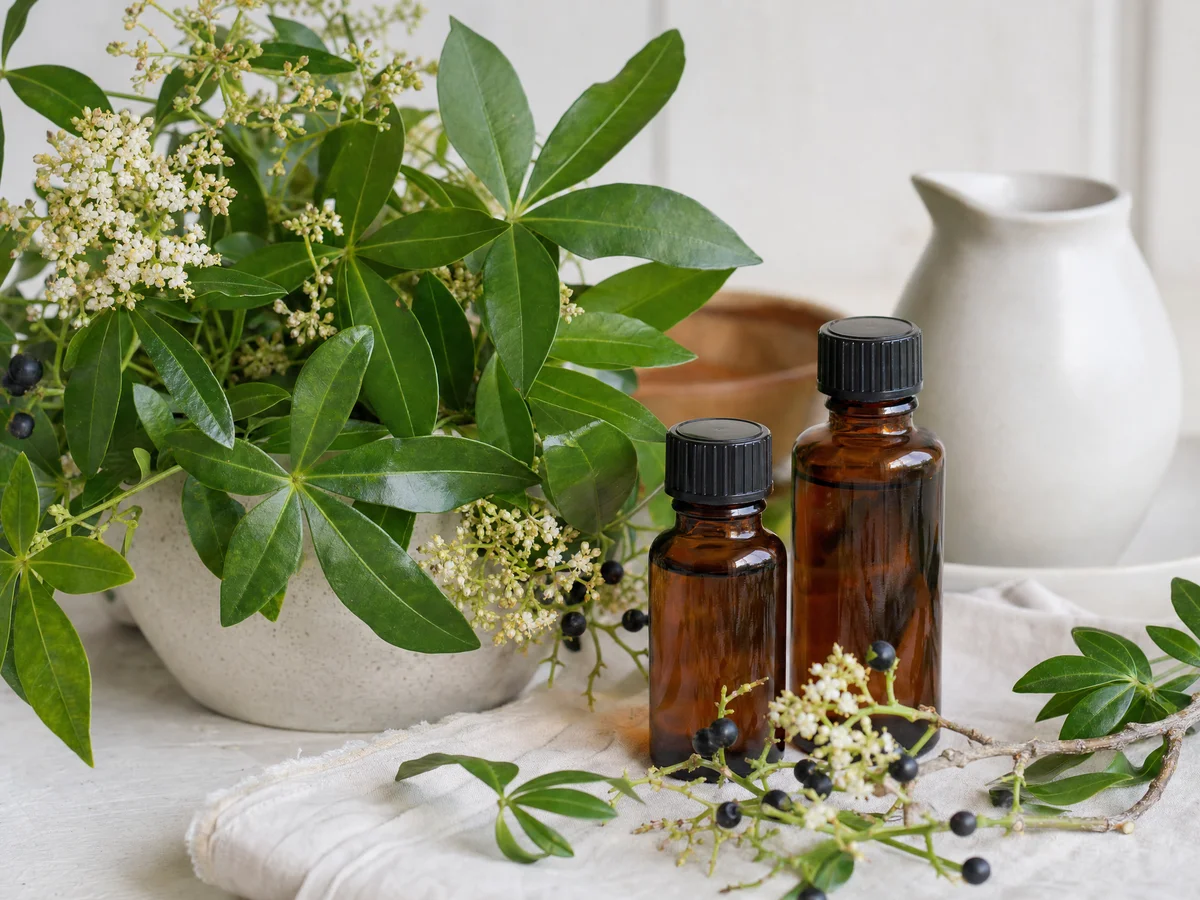
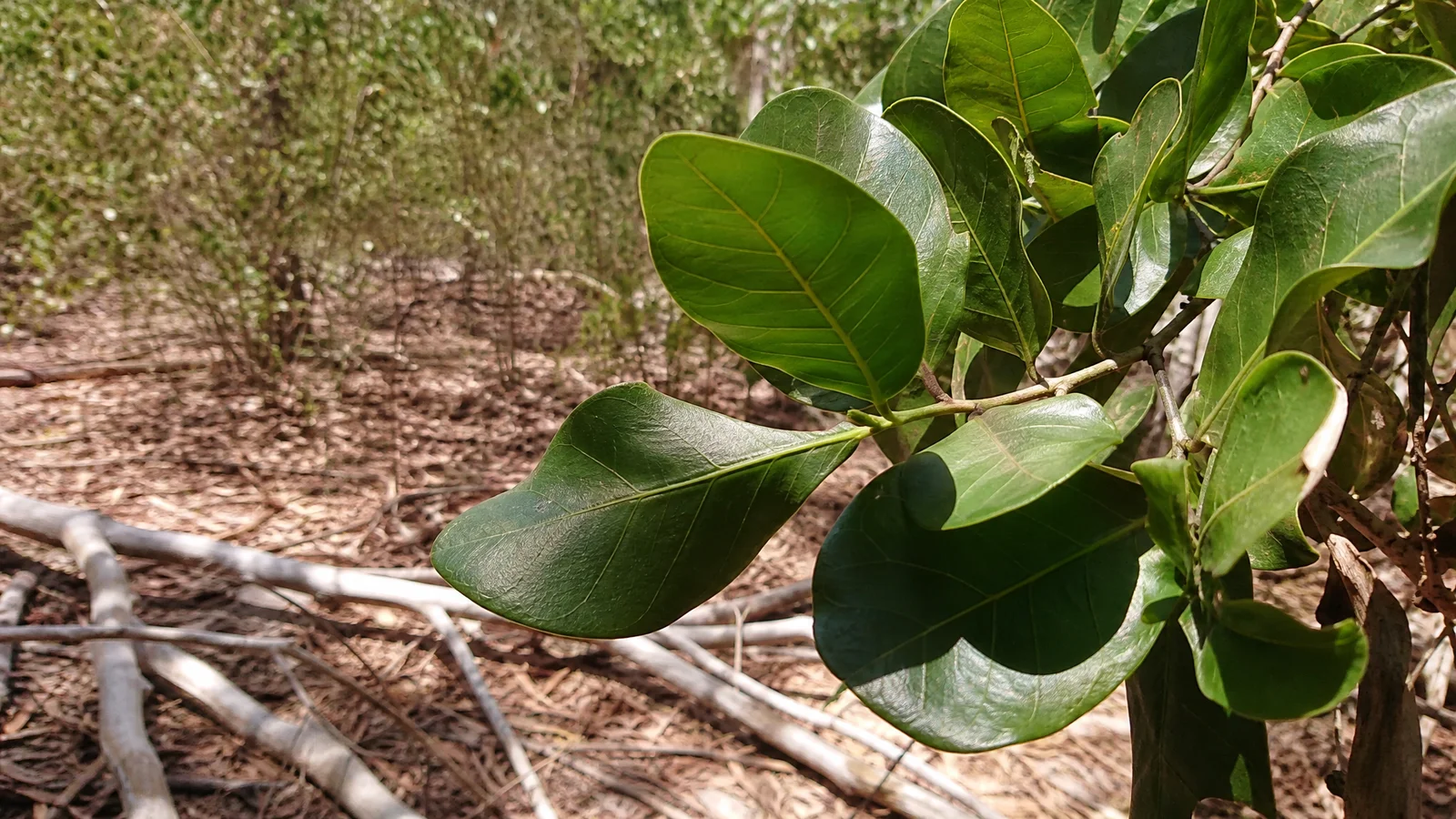
The Institute for Regional Conservation's Florida plant page adds a nice botanical detail. Amyris balsamifera has leaflets usually longer than 5 cm and an elongated fruit, which helps separate it from its close relative Amyris elemifera. The same page notes that a Florida Keys specimen once filed under balsamifera is believed to have been elemifera, a good reminder of why botanists, and oil buyers, like the Latin name on the label.
Why we care about the Latin name
A tree with this many common names is a good argument for reading labels closely. Torchwood, candlewood, bois chandelle, guaconejo, white cantoo: each is a perfectly honest local name, and none of them tells a buyer which species is in the bottle. The Latin name, Amyris balsamifera, is the one that does not wander. We sell one oil and we put that name on it, so you always know exactly which tree you are smelling.
What the leaflets and fruit tell a botanist
We like that a tree can be told apart from its cousin by something as ordinary as the length of a leaflet. It is a small reminder that this is a real plant growing in real places, with leaves and fruit and neighbours, and not just a name on a bottle. If you ever see it in a botanical garden, the idea of that tree turning into a creamy, balsamic oil feels even more surprising.
Good news on conservation
GBIF carries the IUCN Red List category for the species as Least Concern, and the Florida page shows NatureServe's global rank as Apparently Secure. That is one reason amyris is not discussed in the same breath as true sandalwood. A species-wide rating does not describe any single stand of trees, which is why we also care about where our wood comes from, and we explain that in our post on sourcing amyris.
A nickname that invites comparison
"West Indian sandalwood" is a lovely phrase, and it sets up an expectation the oil does not need to meet. Amyris is not trying to be sandalwood. It is its own creamy, woody, balsamic thing, with a soft vanilla undertone, and it is happiest when you judge it on those terms. If you come to it looking for sandalwood, you may be disappointed; if you come to it curious, you may find a favourite.
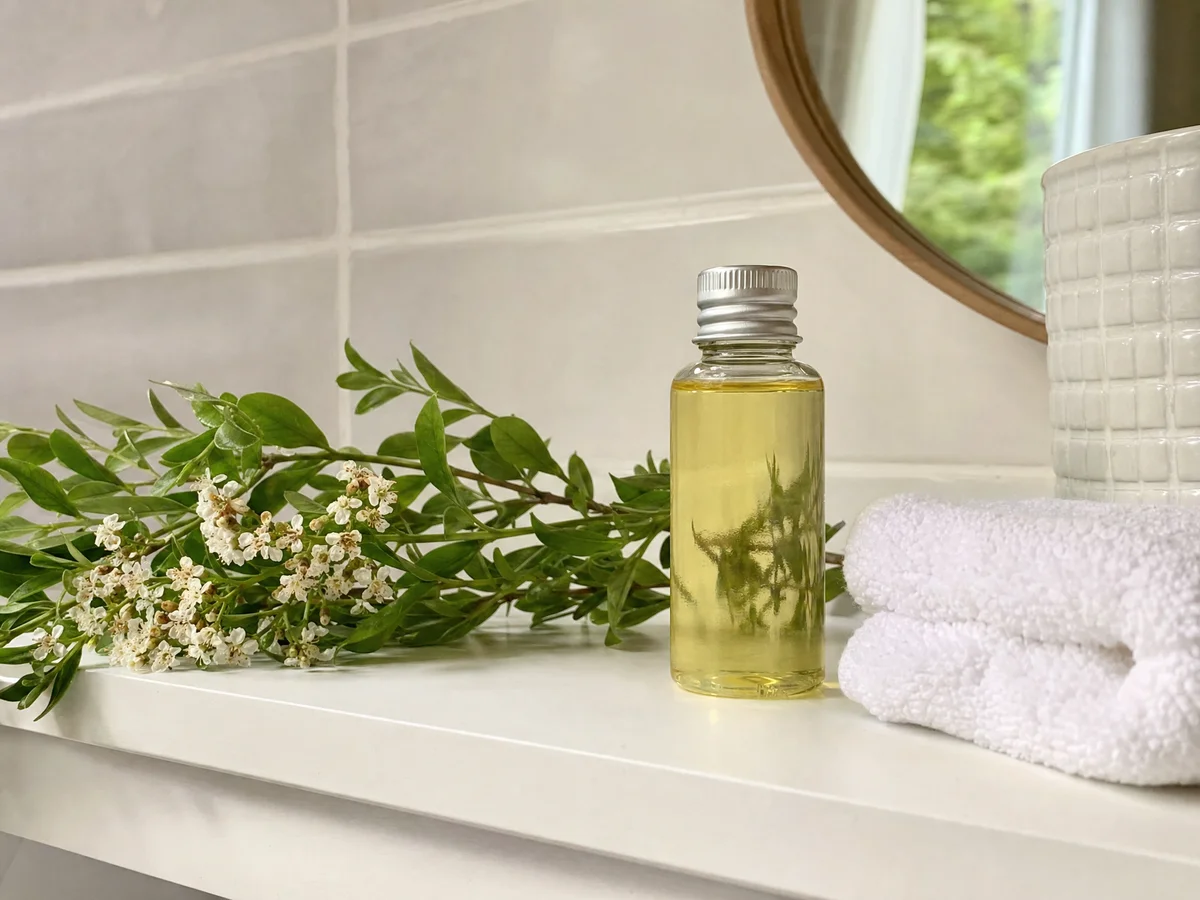
From wood to a base note
The oil is rich in sesquiterpene alcohols, which are heavy molecules that evaporate slowly. That is the chemical reason amyris behaves as a base note, anchoring a blend while brighter oils fade. In a 2021 study of commercial oils, Kucharska et al., 2021 analysed two correctly labelled amyris oils and found valerianol near 14.5%, eudesmol isomers around 26% and elemol about 9%, with no santalols, the signature molecules of real sandalwood. They are numbers from two bottles, so think of them as a sketch of the character rather than a spec for every lot. Our chemistry of amyris post goes further if you enjoy that side of it.
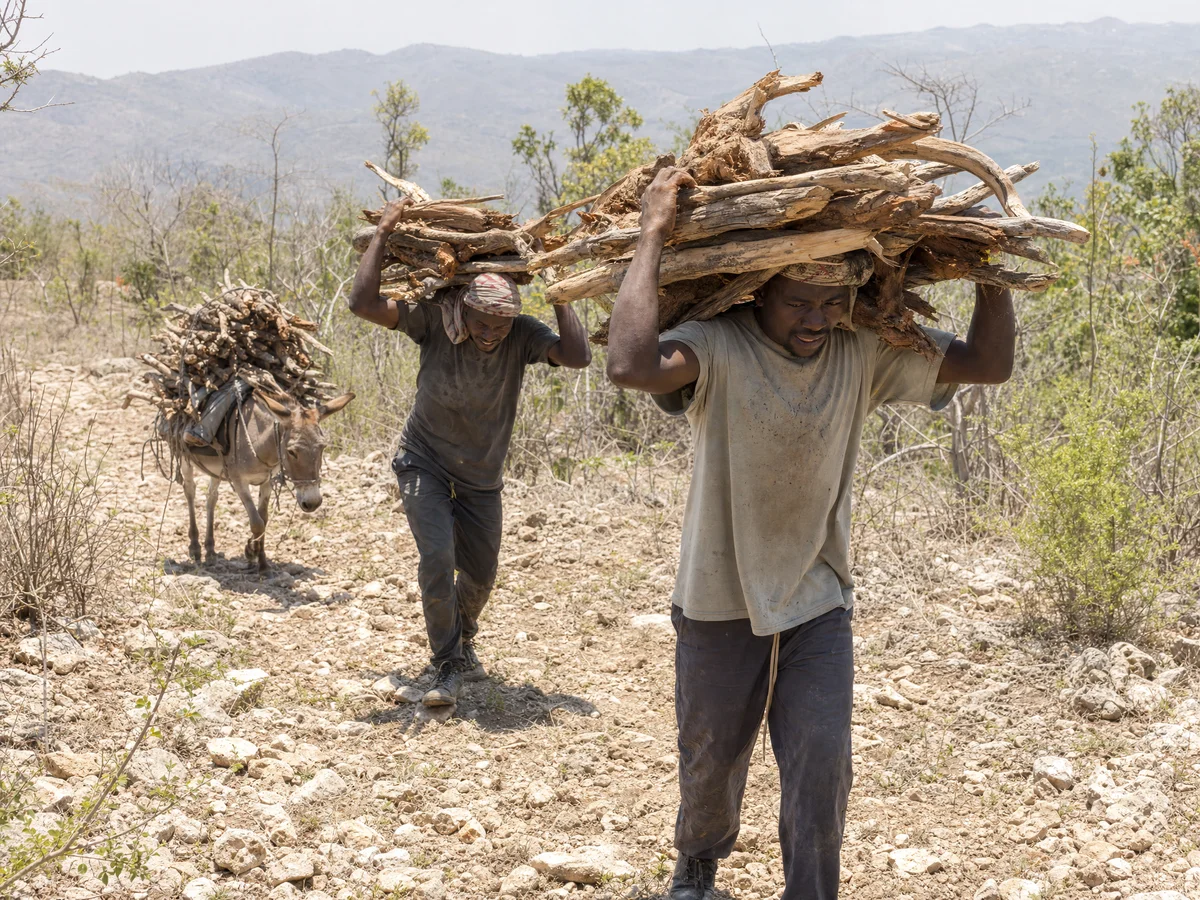
When you open a bottle, take your time with it. The first impression is soft and rounded, and the longer you let it sit on a blotter the more the woody and balsamic sides come forward. That slow, steady quality is why we think of amyris as a foundation oil, the sort of ingredient that makes everything around it feel a little more settled.
If you want a composition report for a particular lot, ask us in writing through our contact page before you order.
Amyris Essential Oil
Amyris Essential Oil from our own shop, in sizes from 0.5 oz to bulk.
From $23.99
Shop Now →Sources & Further Reading
- GBIF Secretariat. Amyris balsamifera L., backbone taxonomy, distributions, vernacular names and IUCN category.
- Institute for Regional Conservation. Plant database entry, Amyris balsamifera.
- Kucharska et al., 2021. A comparison of the composition of selected commercial sandalwood oils with the international standard. Molecules 26(8):2249.