Does Amyris Oil Stain? Getting It Out of Fabric and Wood
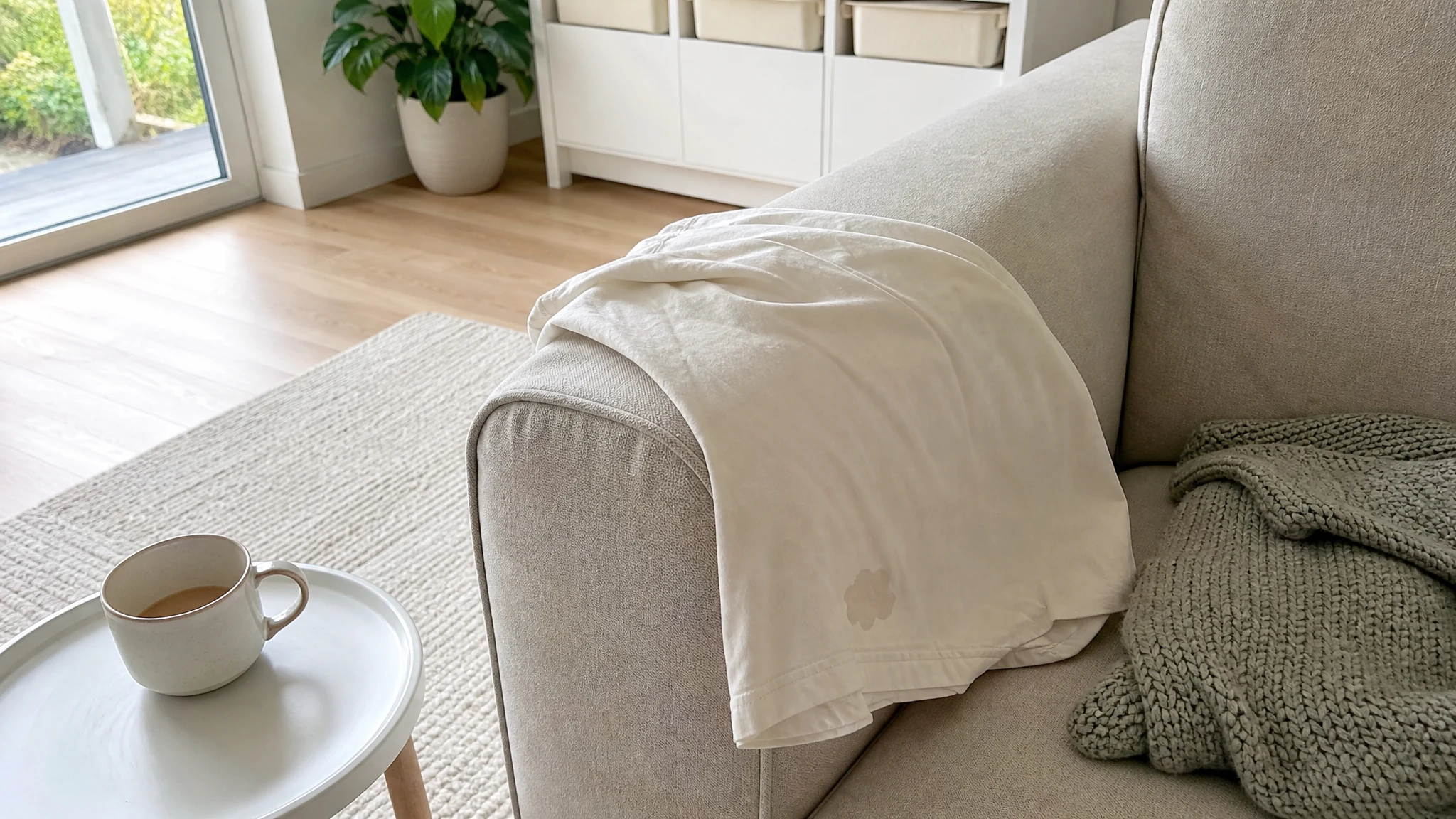
Essential oils are oils, and fabric treats them that way. A drop of amyris that lands on a cotton tee or a cushion cover will leave a translucent, greasy-looking mark that darkens the weave until it is dealt with. The good news is that a fresh mark responds well to the same steps you would use for any other oil.
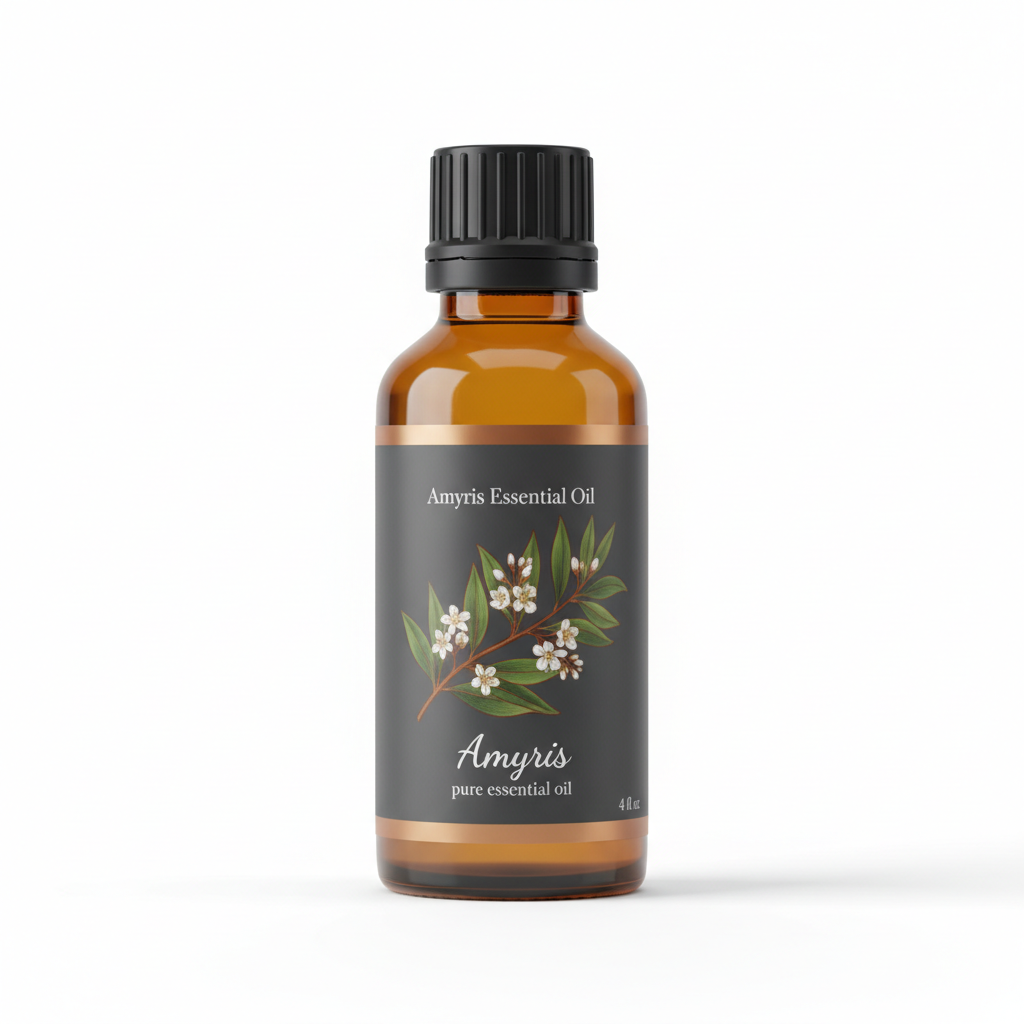
Amyris Essential Oil
Our own Amyris Essential Oil, in sizes from 0.5 oz to bulk.
From $23.99
Shop Now →What kind of stain is this?
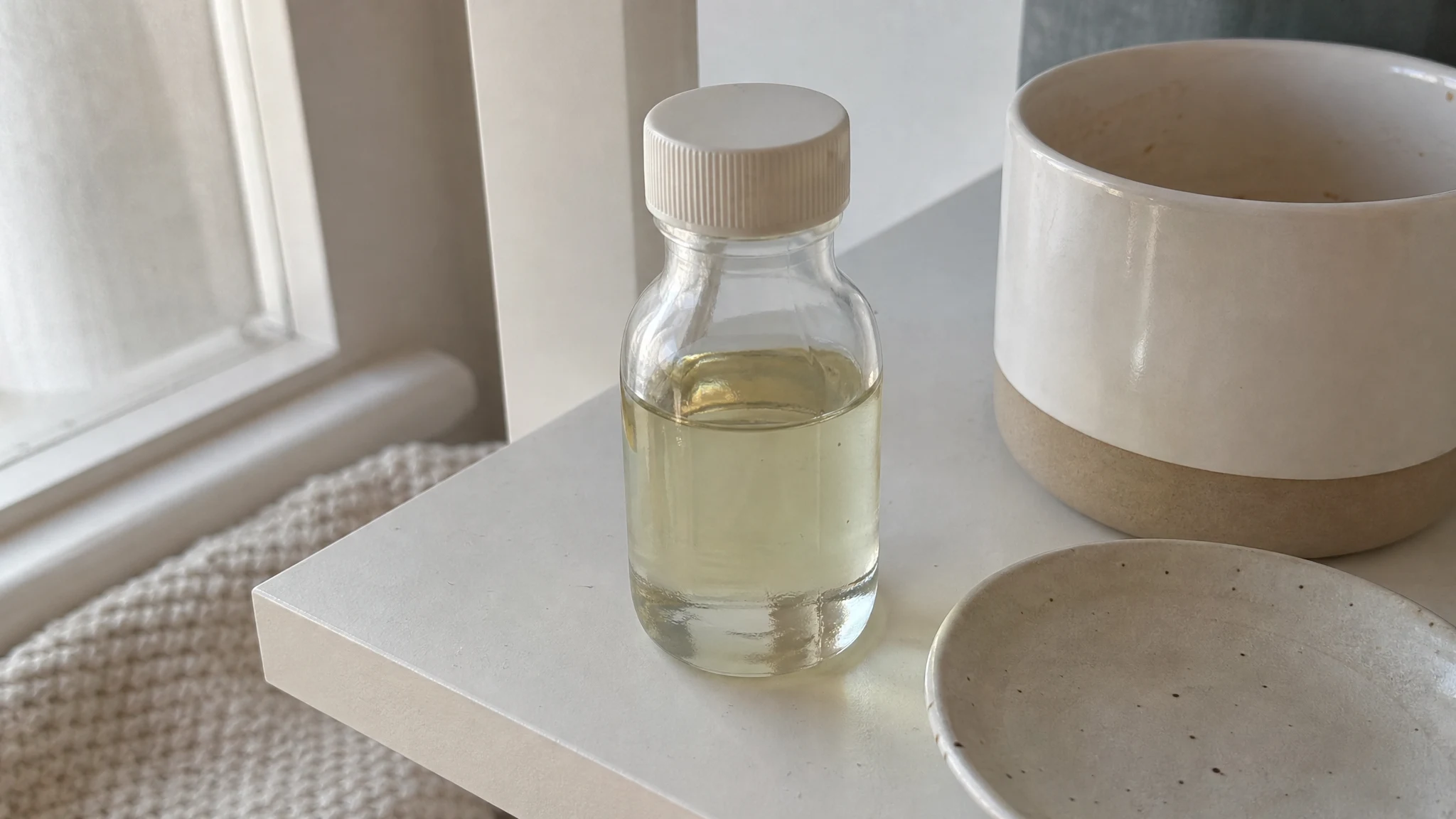
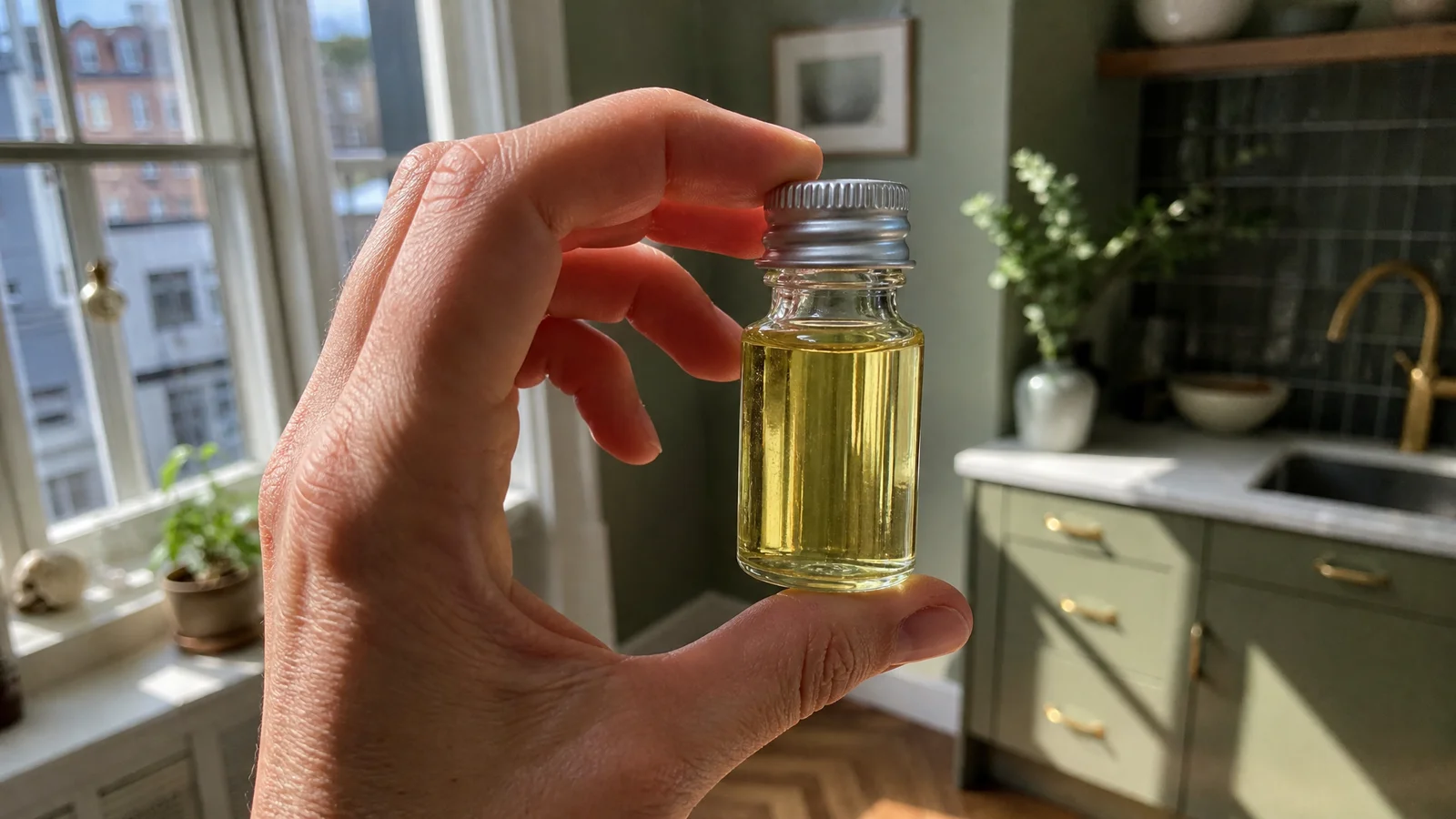
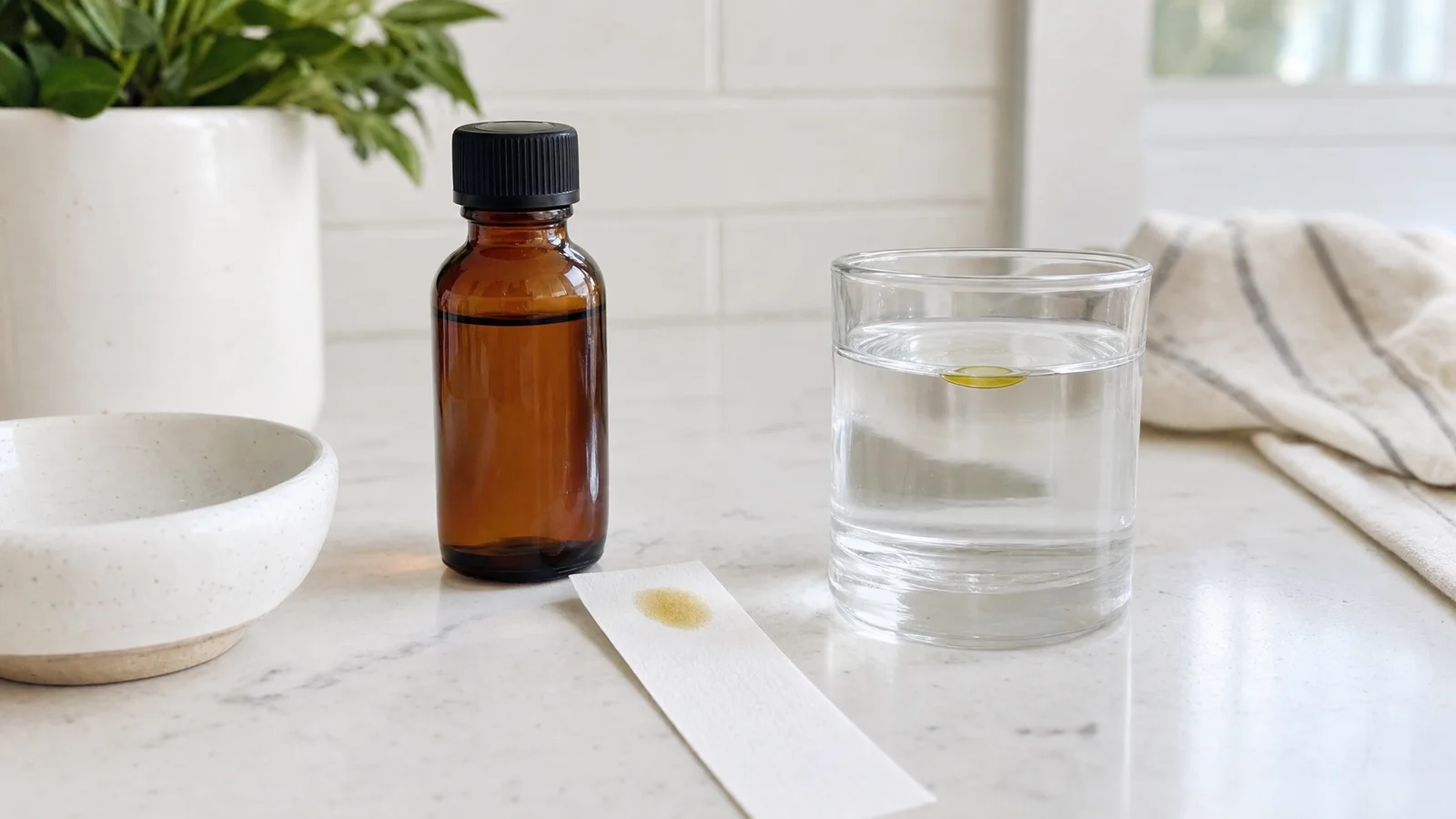
Our amyris is naturally a pale yellow to amber liquid with a light to medium viscosity. It is not a dye, so the mark you see on fabric is mostly the oil itself soaking the fibres, with possibly a faint tint on very pale cloth. We would not promise that it will never leave a mark, and we would not promise it will always wash out; much depends on the fabric and how long it has been there. Treat it as a grease spot and the technique is straightforward.
The first minute
Speed matters more than any product. Blot with a clean cloth or paper towel, pressing down rather than rubbing, which only pushes the oil deeper into the weave. Lift as much as you can before you add anything else.
University of Georgia Cooperative Extension's guide to oil-based stains is the reference we would reach for. For washable fabrics, its steps run along these lines: treat the mark with a pre-wash spot and stain remover, or rub liquid detergent into the dampened stain, then launder. Dish detergent is designed to cut grease, which is why it is the usual pantry answer. Wash in the temperature the fabric care label allows, and look at the spot before the item goes anywhere near heat. We would air-dry it until you are sure the mark is gone, then repeat the detergent step if a shadow remains.
When the fabric is the wrong kind
Some fabrics should not meet a home stain routine at all. Silk, leather and suede, wool, anything labelled dry-clean-only and anything delicate or vintage belongs with a professional cleaner. Tell them it is an essential oil and roughly when it happened. We would also test any cleaner on an unseen seam or hem first, since detergent or ammonia can leave a ring or take colour out.
Surfaces: wood and stone
Oil that drips onto furniture is a slightly different job. UGA's extension advice for a fresh oily mark on a wood floor is to whisk dishwashing detergent in hot water until it makes a lot of suds, wipe on only the foam with a clean cloth, rinse with a cloth dampened with clear water, then dry the surface straight away and polish or wax it as soon as you can. That approach only suits wood whose finish is not damaged by water, so test first on a hidden corner. For stone or marble, UGA says to spread an absorbent powder such as talcum, cornstarch or whiting over the mark as soon as possible, brush it off after a short while, reapply, and let it stand for 24 hours before scrubbing with a hot detergent solution. Natural stone is porous, so move quickly.
Plastic, glazed ceramic and sealed countertops usually just need a wipe with warm, sudsy water and a rinse.
Keeping it from happening again
Most stains come from the moment of pouring, not from use. A few habits help, and none of them cost anything.
- Pour over a tray or a folded towel rather than over your clothes, and keep the cap on between drops.
- Wipe the neck of the bottle after each use, so it does not leave a mark on the shelf or in your bag. Stand the bottle upright so the oil stays off the cap liner.
- Dilute before it touches fabric. Our guidance for skin is 0.5% to 2% in a carrier oil, so a body oil or solid perfume has far less amyris per drop than the bottle does. Carrier oils are greasy too, so the same spot rules apply to them.
- Give a freshly applied oil a few minutes to absorb before you dress, and wear something dark or old while you are testing a new blend. Linen sprays work best misted from a distance, onto a spot you have tested first. Our linen spray post covers the technique.
It also helps to keep bottles off soft furnishings and in a cupboard at home, away from children and pets, which is where we suggest storing them anyway. Our storage guide has the routine, and the body oil and solid perfume posts show how to keep the amount going on the skin small. If you are working in larger batches, craft supply and hardware shops sell absorbent powders, aprons and drop cloths that make the whole job tidier.
Nothing here needs a special product. A bit of blotting, a squeeze of dish soap and a little patience will rescue most everyday spills, and a professional cleaner will handle the rest.
Amyris Essential Oil
Amyris Essential Oil from our own shop, in sizes from 0.5 oz to bulk.
From $23.99
Shop Now →Sources & Further Reading
- University of Georgia Cooperative Extension, Remove Stains From Oil-Based Foods (Textiles).