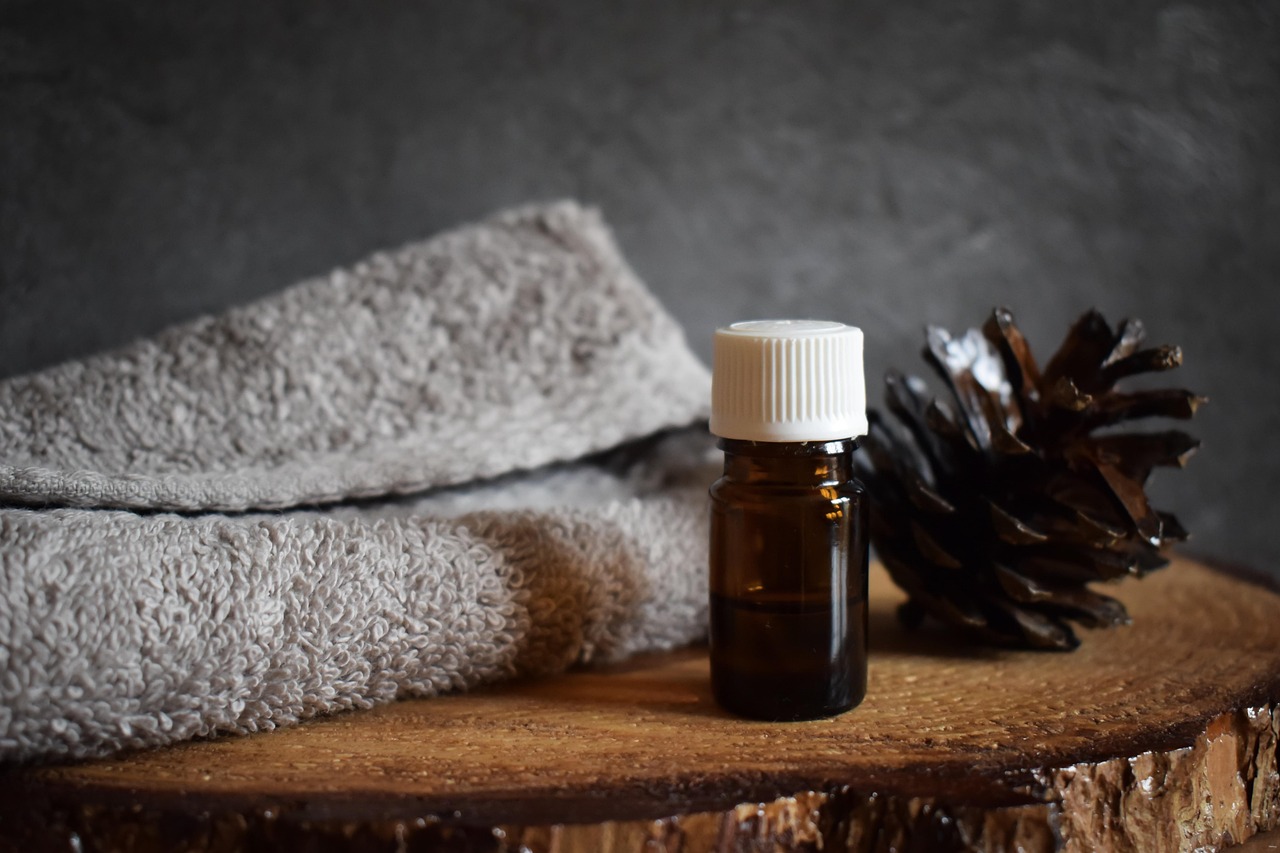
Pure Amyris Oil vs Diluted Blends: Reading Labels Before You Buy
The amyris oil market is full of bottles that look nearly identical on the outside. Same amber glass, same minimalist fonts, same reassuring words like "natural" and "premium." But crack the cap and the differences become obvious fast. One pours thin as water and smells faintly of wood. Another is rich, slightly viscous, and fills the room with a soft, creamy balsam depth. The labels told you almost nothing useful. That is the problem this guide is here to solve.
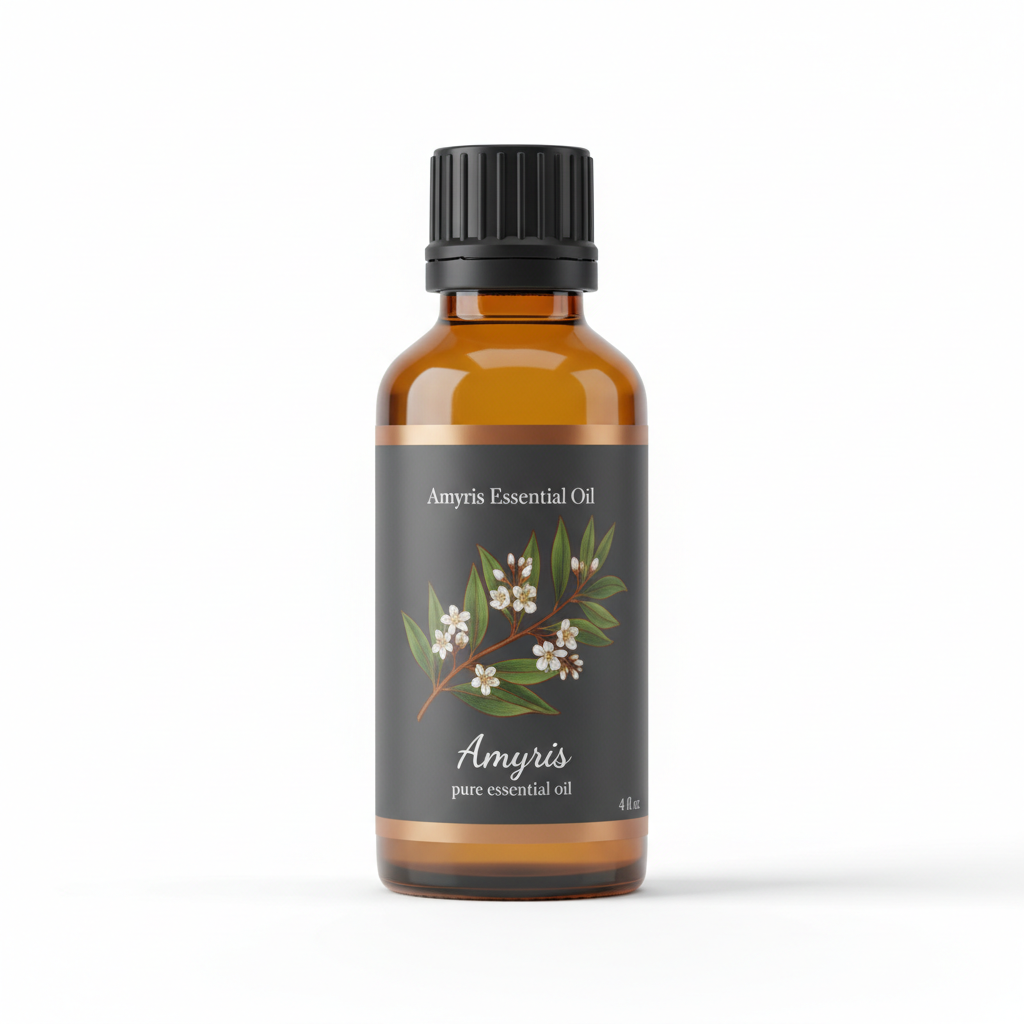
Amyris Essential Oil
Our own Amyris Essential Oil, in sizes from 0.5 oz to bulk.
From $23.99
Shop Now →Whether you are formulating a body oil, sourcing for a candle line, or simply building a personal fragrance wardrobe, understanding what separates pure amyris oil from a diluted carrier blend will save you money and frustration. Let's walk through every part of the label, one section at a time.
Why the Dilution Question Matters So Much with Amyris
Amyris balsamifera wood oil is already one of the more affordable base-note oils on the market. Its low price point is one of its genuine advantages. This also means that sellers have less financial incentive to dilute it than they do with costly oils like rose or sandalwood. And yet dilution happens frequently, because amyris is also commonly sold as a sandalwood substitute, and buyers in that context often expect a lighter, more spreadable product.
The confusion compounds quickly. A 10% dilution in fractionated coconut oil might be perfectly appropriate for a ready-to-apply roller blend. But if you are paying for undiluted amyris essential oil to use in your own formulations, you need to know exactly what is in the bottle before you blend it into your products. Miscalculating your starting concentration can throw off an entire batch of soap, perfume, or lotion.
For a broader foundation before diving into label specifics, the complete quality guide to buying amyris essential oil covers sourcing, distillation methods, and what GC/MS testing actually tells you.
Decoding the Amyris Oil Label: Field by Field
Botanical Name
This is your first checkpoint. Look for Amyris balsamifera listed clearly. Some sellers use the common name "West Indian sandalwood" without specifying the species, which can obscure whether you are getting true amyris or a blend that includes other botanical components. The botanical name is not optional on a quality label. If it is missing, treat that as a yellow flag.
Part of Plant Used
Genuine amyris oil is steam-distilled from the wood and branches of the tree. The label should state "wood" or "heartwood" as the plant part. If this field is absent, or if it says "leaves" or "whole plant," the profile of the oil will differ significantly from what most buyers expect.
Country of Origin
Haiti is the primary source for commercially available amyris oil, and reputable suppliers will state this plainly. Some oils are redistilled or blended in other countries before export, which is not necessarily a problem, but transparency about origin is a quality signal worth noting. Vague phrases like "sourced globally" or "natural origins" are not substitutes for a specific country of origin.
Concentration or Purity Statement
This is where many buyers get tripped up. Look for one of the following on the label:
- "100% pure" or "undiluted": The bottle should contain only amyris essential oil with no carrier added.
- A percentage followed by a carrier name: For example, "10% in fractionated coconut oil." This is a diluted blend, which may be exactly what you want for direct skin application, but it is not the same product as a neat essential oil.
- "Blend" or "blend of essential oils": This signals a multi-oil product. Amyris may be one component among several.
The absence of any purity statement is itself a red flag. Reputable producers are proud to state concentration clearly.
GC/MS Testing and Batch Numbers
Gas chromatography/mass spectrometry testing is the industry standard for verifying that an essential oil is what it claims to be and that it meets purity benchmarks. Better suppliers make GC/MS reports available by batch number, either as a printed insert or via a QR code that links to the report on their website. Batch numbers also allow you to trace your oil back to a specific lot, which matters if you are formulating products for resale.
If a seller cannot provide a GC/MS report on request, or if the report they share lacks a dated batch reference, approach with caution.
Key Features to Compare When Shopping
Viscosity and Color
Pure amyris oil has a light to medium viscosity. It is not as thick as vetiver or patchouli, but it should not run as freely as water either. The color ranges from pale yellow to a warm, golden amber. An oil that is very pale and extremely thin may have been diluted with a light carrier such as fractionated coconut oil or caprylic triglyceride, both of which are nearly colorless and odorless in isolation.
Scent Depth and Longevity
Amyris is a base note. Its woody, slightly sweet, faintly creamy character should linger on a scent strip for several hours. A diluted version will smell comparatively flat and will fade more quickly because the aromatic compounds are present at a lower concentration. This is a practical test you can conduct at home with any sample before committing to a larger purchase.
Packaging
Amber or cobalt glass bottles with a euro-dropper or orifice reducer are standard for quality essential oils. Avoid clear glass, which offers no UV protection, and be skeptical of plastic bottles for undiluted oils, since some essential oil components can interact with certain plastics over time. A tamper-evident seal and a clearly printed (not hand-written) label are basic signals of professional production.
Price Points: What to Expect at Each Level
| Price Tier | Typical Product | What You Are Usually Getting |
|---|---|---|
| Budget (under $8 for 10 ml) | Mass-market brands, online marketplaces | Often a diluted blend or an oil with limited sourcing transparency. Fine for casual diffusion if you verify the label carefully. |
| Mid-range ($8 to $18 for 10 ml) | Specialty natural retailers, direct-to-consumer indie brands | Frequently pure and undiluted, with GC/MS testing available. Good starting point for formulating work. |
| Professional / Bulk (varies by volume) | Essential oil wholesalers, direct distiller sources | Highest sourcing transparency, lot-based testing, suitable for product lines. Pricing scales down significantly at larger volumes. |
Amyris is genuinely one of the more budget-friendly base notes available, so an unusually cheap price is less suspicious here than it would be with, say, rose absolute. Even so, the mid-range tier tends to deliver meaningfully better documentation and consistency. If you are working at scale, the bulk buying guide for makers breaks down pricing tiers and minimum order quantities from reputable wholesale sources.
Red Flags to Avoid
Some warning signs are easy to spot once you know what you are looking for.
- "Fragrance oil" or "perfume oil" in the product type field. These are synthetic or blended aromatic products, not essential oils. The scent may be pleasant, but the composition is entirely different.
- No botanical name anywhere on the label or product listing. This omission is almost never accidental.
- Claims of "pure" alongside an ingredient list that includes a carrier oil. The word "pure" in this context refers to the quality of the ingredients used, not to the absence of dilution. Read the full ingredient list.
- "Sandalwood" in the product name without clarification. Some sellers use the term "West Indian sandalwood" (a legitimate alternate name for amyris) accurately, while others use "sandalwood blend" to imply a connection to the more expensive Santalum species. Check the botanical name.
- Extremely sweet or synthetic-smelling oil. Pure amyris has a naturalness to its woodiness. A sharp, sweet, or candy-like quality can indicate the addition of synthetic aromatic compounds.
- No return or satisfaction policy. Confidence in product quality usually comes with some form of recourse for the buyer.
Where to Buy Pure Amyris Oil
Specialty Essential Oil Retailers
Companies that focus specifically on essential oils (rather than offering them as a side category within a larger wellness catalog) tend to maintain better sourcing standards. Look for retailers who publish their GC/MS reports publicly, list their suppliers or sourcing regions, and have been operating long enough to have a review history worth reading.
Direct-from-Distiller Sources
A small number of suppliers source directly from Haitian distillers and can provide documentation that traces the oil close to its origin. This level of traceability is particularly valuable if you are building a product line around transparency claims.
Reputable Online Marketplaces (with caveats)
Major online marketplaces carry a wide range of amyris products, including high-quality options from established brands. The challenge is that the same platform also hosts undifferentiated or mislabeled products. When buying through a marketplace, filter your search by brand rather than by generic product category, and read recent reviews specifically for purity and scent depth. Verified-purchase reviews from formulators and perfumers tend to be the most useful.
Natural and Independent Apothecaries
Physical stores with knowledgeable staff often carry a curated selection and allow you to smell a tester before committing. This is the single most reliable way to evaluate scent quality before purchase, and it is underused by online-first shoppers.
For guidance on choosing the right bottle size for your needs, from the small sampler to the half-kilo format, the amyris bottle size guide walks through practical considerations for hobbyists and professionals alike.
A Quick Pre-Purchase Checklist
- Botanical name (Amyris balsamifera) is clearly stated.
- Plant part (wood or heartwood) is listed.
- Country of origin is specified.
- Concentration or purity statement is present and unambiguous.
- GC/MS testing is available by batch number.
- Packaging is amber or cobalt glass with a tamper-evident seal.
- Ingredient list confirms no undisclosed carriers or additives.
- Seller has a return or satisfaction policy.
Reading an amyris oil label well takes about sixty seconds once you know the key fields. That minute of attention is the difference between a formulating workhorse that performs exactly as expected and a bottle that sits on the shelf because the scent never quite works the way you hoped. The market for quality amyris is genuinely strong right now, and good options exist at nearly every price point. You simply need to know what you are looking for before you add to cart.