DIY Rose and Amyris Body Oil: A Soft Woody Floral Recipe
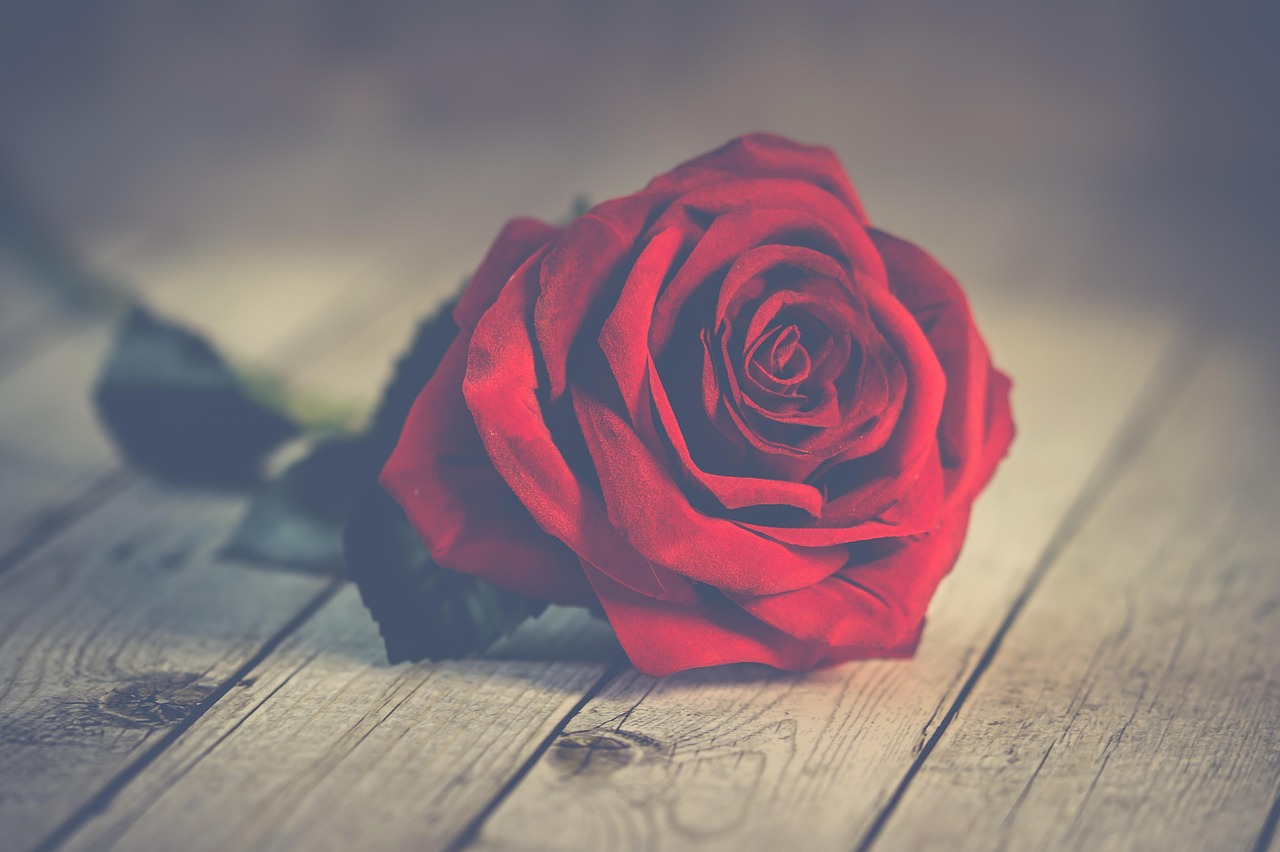
Some scent combinations just make sense. Rose brings a lush, velvety sweetness, and amyris adds a quiet, creamy woodiness underneath it all. Together, they create something that feels genuinely refined without requiring a perfumer's budget or a complicated technique.
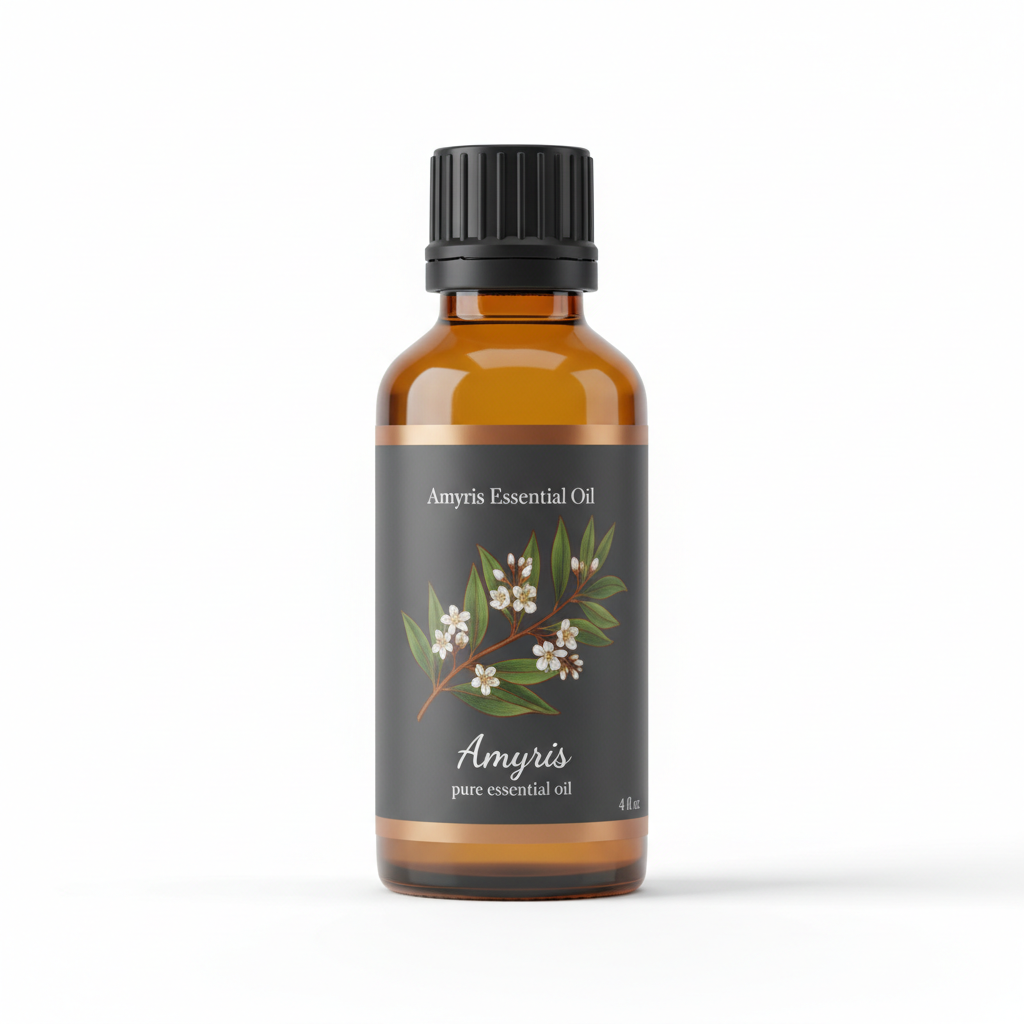
Amyris Essential Oil
Our own Amyris Essential Oil, in sizes from 0.5 oz to bulk.
From $23.99
Shop Now →This diy body oil recipe is designed for the home blender who wants a finished product that performs beautifully on skin. The amyris body oil blend anchors the rose so it doesn't read as a simple floral soliflore. Instead, it settles into something warmer and more dimensional. Think soft skin after a long bath, candlelight, a drawer lined with cedar. That kind of warmth.
Below you'll find everything you need: precise measurements, clear instructions, and honest notes on safety and substitutions.
Before You Begin: Difficulty Level and Prep Time
- Difficulty level: Beginner-friendly
- Active prep time: 10 to 15 minutes
- Cure time: 24 hours recommended before first use (allows the blend to fully marry)
- Yield: Approximately 60 ml (2 fl oz) of finished body oil
No heat is required for this recipe. You only need a few pieces of basic equipment and a clean, dry workspace.
Equipment You'll Need
- One 60 ml (2 oz) glass dropper bottle or pump bottle, amber or cobalt colored
- A small glass measuring cup or beaker
- A glass stirring rod or the handle of a clean stainless spoon
- A notebook or label for recording your formula
- Isopropyl alcohol for wiping down surfaces before you begin
Always work with clean, completely dry equipment. Water contamination shortens the shelf life of any oil-based product significantly.
Ingredients
Carrier Oils (Base)
| Ingredient | Amount | Purpose |
|---|---|---|
| Fractionated coconut oil | 30 ml | Lightweight, fast-absorbing, neutral scent |
| Sweet almond oil | 20 ml | Slightly richer texture, gentle on most skin types |
| Jojoba oil | 8 ml | Excellent shelf stability, closely mimics skin's natural sebum |
Essential Oils (Aromatic)
| Ingredient | Amount | Role in the Blend |
|---|---|---|
| Amyris essential oil | 8 drops | Base note, creamy woody anchor |
| Rose absolute (diluted, 10% in jojoba) | 10 drops | Heart note, lush floral richness |
| Geranium essential oil | 4 drops | Heart-to-top bridge, green floral support |
| Cedarwood (Virginia or Atlas) essential oil | 3 drops | Base note, adds depth alongside amyris |
| Ylang ylang essential oil | 2 drops | Floral top accent, use sparingly |
Total essential oil drop count: 27 drops in approximately 58 ml of carrier oil, which sits at roughly 2.3% dilution. This falls within the standard 1 to 3% guideline for leave-on skin products.
Note on rose absolute: Pure rose otto or rose absolute is extraordinarily expensive per milliliter. A pre-diluted 10% rose absolute in jojoba is far more practical for home blending and still delivers a genuinely rich rose character. If you are sourcing pure rose otto, reduce to 2 drops and adjust your total drop count accordingly to maintain a safe dilution.
Step-by-Step Instructions
- Wipe down your workspace and equipment with isopropyl alcohol and allow everything to dry completely before touching your oils.
- Add your carrier oils first. Pour the fractionated coconut oil, sweet almond oil, and jojoba oil into your glass measuring cup. Stir gently to combine.
- Add your base note essential oils. Drop in the amyris essential oil and cedarwood essential oil. These heavier molecules benefit from going into the carrier first.
- Add your heart notes. Drop in the rose absolute and geranium essential oil. Stir again with your glass rod.
- Add ylang ylang last. Ylang ylang is potent. Two drops is intentional. Add one drop, evaluate after 24 hours, and consider adding a second drop only if you want more intensity.
- Stir the full blend for 30 to 60 seconds in slow, even circles. Do not whisk or agitate rapidly.
- Funnel into your bottle and seal it immediately. Label with the date and your formula.
- Let the blend rest for 24 hours before your first use. The scent will shift noticeably as the oils meld together. The amyris in particular tends to bloom and soften overnight.
How to Use This Rose and Amyris Body Oil
Apply a small amount to damp skin immediately after a shower or bath. Your skin does not need to be dripping wet, just lightly moist. This dramatically improves absorption and reduces any greasy feeling.
Focus on areas that tend to feel dry: shins, elbows, shoulders, and the backs of the hands. A little goes far. Start with four to six drops across both palms and adjust from there.
This rose and amyris body oil also works well as a light massage oil for evening wind-down routines. The scent profile is soft and grounding, well-suited to a calm bedtime ritual.
Safety Warnings: Read Before You Make or Use This Recipe
Dilution Ratios
The formula above sits at approximately 2.3% total essential oil dilution. This is appropriate for most adults using a leave-on body product. Do not increase the drop count to make the scent stronger. If you want a more intense experience, layer with a matching solid perfume instead. (See our guide to DIY amyris solid perfume for a complementary wearable option.)
Patch Testing
Before applying to a large area of skin, perform a patch test. Apply a small amount to the inside of your wrist or elbow crease. Wait 24 hours. If you notice redness, itching, or any skin response, discontinue use and consult a qualified healthcare provider.
Contraindications and Populations to Consult a Doctor First
- Pregnancy and nursing: Some essential oils are not recommended during pregnancy or while nursing. Consult a qualified healthcare provider before using any essential oil blend during this time.
- Children: This formula is designed for adults. Essential oil dilutions for children follow different, stricter guidelines. Do not use this recipe on children without professional guidance.
- Sensitive skin or known skin conditions: If you have a skin condition currently under a doctor's care, speak with your healthcare provider before adding any new topical product to your routine.
- Known sensitivities to listed botanicals: Geranium and ylang ylang are common sensitizers in individuals with fragrance sensitivities. If you have reacted to these plants before, omit them and simplify the blend.
Sun Exposure
None of the essential oils in this recipe are known phototoxic citrus oils, so sun exposure is not a primary concern here. However, as with any new topical product, some people may experience individual sensitivity. When in doubt, apply in the evening rather than before extended sun exposure.
Eye and Mucous Membrane Contact
Keep away from eyes. If contact occurs, rinse with a plain carrier oil (not water) and seek guidance from a healthcare professional if irritation persists.
Storage Instructions and Shelf Life
Store your finished body oil in a cool, dark location away from direct sunlight and heat. A bathroom cabinet shelf away from the shower's steam is ideal. An amber or cobalt glass bottle will protect the oil from light degradation.
Expected shelf life: 9 to 12 months when stored properly. The limiting factor is the sweet almond oil, which has a shorter oxidative lifespan than jojoba. If you detect a rancid or crayon-like scent, the oil has turned and should be discarded.
To extend shelf life, add 0.5 ml (approximately 10 drops) of vitamin E oil (tocopherol) to the formula. Vitamin E acts as an antioxidant that slows oxidation in the carrier oils. It is not a preservative against microbial growth, so keeping water out of the bottle remains essential.
Variations and Substitutions
For a Deeper, Smokier Blend
Replace the Virginia cedarwood with 2 drops of vetiver essential oil. Vetiver is earthy and dark, and it intensifies the base of the amyris body oil blend considerably. Reduce ylang ylang to 1 drop if you make this swap, since the combination of vetiver and ylang ylang can easily tip into heavy territory.
For a Fresher, Greener Twist
Add 3 drops of palmarosa essential oil and reduce geranium to 2 drops. Palmarosa has a soft, grassy rose-like quality that keeps the blend feeling lighter and more daytime-appropriate.
If You Cannot Source Rose Absolute
Rose absolute at even a 10% dilution can be cost-prohibitive. A practical substitute is a blend of 5 drops of geranium and 3 drops of palmarosa, which together approximate the floral-green richness of rose without the price. The result is a slightly different character but still harmonizes beautifully with amyris. For more on how amyris interacts with other floral and woody notes, our complete guide to amyris in perfumery covers the full aromatic picture.
For a Richer Winter Version
Swap the fractionated coconut oil for rosehip seed oil (reduce to 20 ml and top up with 10 ml of marula or argan oil). The richer carrier combination suits the drier skin conditions that often accompany cooler months. For more seasonal blending ideas, take a look at these cozy winter diffuser blends featuring amyris and warm spices.
Unscented Carrier Base
If you prefer a simpler skin oil without the full aromatic complexity, you can reduce the essential oil drops to just amyris (10 drops) and rose absolute (8 drops) in the same carrier base. This creates a pared-back version that still reads as a coherent rose and amyris body oil without as many moving parts.
A Few Final Notes on Ingredient Sourcing
The quality of your finished product depends almost entirely on the quality of what goes into it. For amyris essential oil, look for a supplier who lists the botanical name (Amyris balsamifera) and country of origin (Haiti is the primary producer). Steam-distilled is the standard method.
For rose absolute, buy from a supplier who is transparent about whether it is Bulgarian, Turkish, or Moroccan origin, and whether it is a true absolute or a reconstituted fragrance oil. Reconstituted rose fragrance oils are not the same thing and will not behave the same way in this blend.
Carrier oils deserve the same scrutiny. Cold-pressed, unrefined oils from a reputable supplier will smell fresher and perform better on skin. A rancid carrier will ruin a beautiful essential oil blend before you even notice what went wrong.
Write down your formula every time you make it, including lot numbers if you track them. Batch notes are the difference between a blend you can recreate and one that exists only in memory.