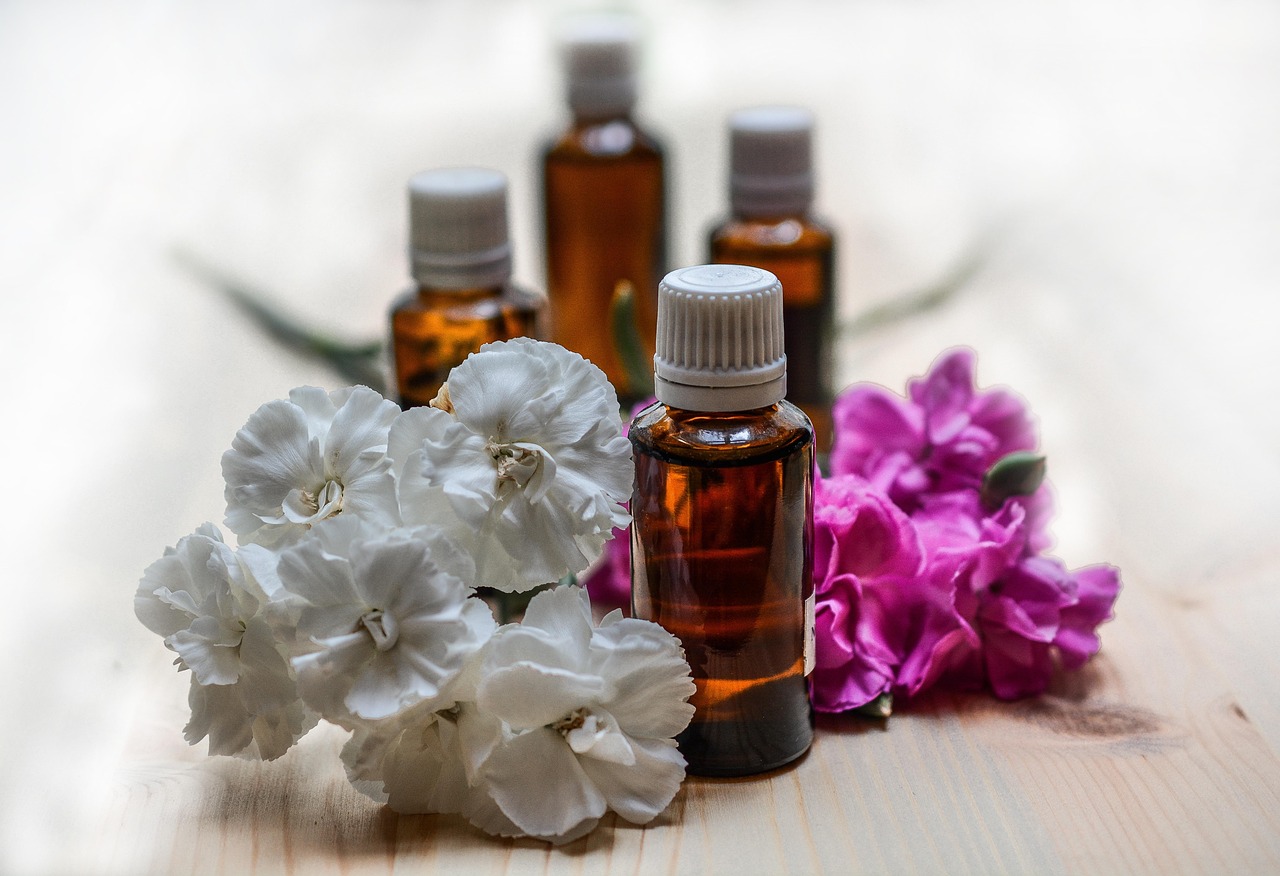
Amyris vs Sandalwood Oil: Scent, Price, and When to Use Each
If you have ever searched for a sandalwood alternative oil, you have almost certainly landed on amyris. The two are mentioned together so often that they are sometimes treated as interchangeable, which is a little unfair to both of them. They are related in mood and function, yes, but they are distinct oils with distinct personalities, distinct price tags, and genuinely different strengths depending on what you are making.
This post lays out an honest, side-by-side look at amyris vs sandalwood: where they overlap, where they diverge, and how to decide which one belongs in your formula.
First, a Quick Introduction to Each Oil
Amyris Essential Oil
Amyris (Amyris balsamifera) is steam-distilled from the wood and branches of a small flowering tree native to Haiti and other parts of the Caribbean. Because the wood has a notably high oil content, it was historically used as a torch by local communities, earning it the nickname "torchwood." The essential oil has a soft, creamy, slightly smoky woodiness with a gentle sweetness underneath. It is not pungent or aggressive. It sits quietly in a blend.
Amyris is prized in cosmetic and fragrance applications for two main reasons: its skin-feel properties and its behaviour as a fixative. If you want to go deeper on that second point, this guide to amyris as a fixative covers exactly how it extends the life of fragrance blends.
Sandalwood Essential Oil
True sandalwood most commonly refers to Santalum album, the Indian or Mysore variety, though Australian sandalwood (Santalum spicatum) and Hawaiian sandalwood (Santalum paniculatum) are also used in perfumery and cosmetics. The oil is steam-distilled from the heartwood and roots of mature trees, which must be at least 15 years old before harvesting. The resulting oil is rich, creamy, milky, and deeply warm, with a complexity that unfolds over time on skin.
Sandalwood has been central to perfumery, ritual, and cosmetic practice across multiple cultures for centuries. Its scent profile is fuller and more complex than amyris, and the oil itself is a legitimate luxury ingredient at the top of the market.
Scent Profile Comparison
This is the most important starting point, because the scent difference between these two oils is real and worth understanding before you reach for either one.
How Amyris Smells
Amyris reads as soft, dry wood with a hint of vanilla-adjacent creaminess. Some people detect a faint smokiness, almost like warm balsam. It is a quiet, supporting note rather than a statement note. In blends, it tends to round out sharper elements and add a subtle depth without calling attention to itself. On its own, it is pleasant but unassuming.
The chemical profile of amyris, particularly its sesquiterpene alcohols like eudesmol and valencene, contributes to that characteristic soft, lingering character. For a full breakdown of what gives amyris its distinctive scent behaviour, this piece on the chemistry of amyris oil is worth reading.
How Sandalwood Smells
Sandalwood is richer. It has that creamy, milky woodiness too, but with more body, more depth, and a complexity that changes as it dries down. High-quality Santalum album has a luminous quality, almost soft and powdery at the edges. Australian sandalwood is drier and slightly earthier. Hawaiian sandalwood is considered the most refined and delicate of the three.
The primary aromatic compounds in sandalwood are the santalols, particularly alpha-santalol and beta-santalol. These are the molecules responsible for the oil's characteristic milky warmth and its exceptional tenacity on skin.
Where the Scents Overlap
Both oils share a woody, warm, slightly sweet base character. Both work well as base notes in perfumery and blends naturally with similar ingredients: vanilla, rose, citrus, patchouli, and soft florals. In a complex finished blend, the average nose may not reliably distinguish them. That is precisely why amyris gets recommended so often as an amyris essential oil substitute in finished products.
Side-by-Side Comparison Table
| Attribute | Amyris | Sandalwood (Santalum album) |
|---|---|---|
| Botanical source | Amyris balsamifera | Santalum album (and related species) |
| Origin | Haiti, Caribbean | India, Australia, Hawaii, Indonesia |
| Extraction method | Steam distillation of wood | Steam distillation of heartwood and roots |
| Scent character | Soft, dry, quietly creamy, faintly smoky | Rich, milky, complex, luminously warm |
| Scent intensity | Mild to moderate | Moderate to strong |
| Longevity on skin | Good, especially in blends | Excellent, exceptional tenacity |
| Fixative quality | Strong | Strong |
| Typical price (per 10ml) | Low (roughly $3 to $8) | High (roughly $25 to $80+ depending on species and quality) |
| Sustainability concerns | Low to moderate, fast-growing species | High for wild S. album; cultivated sources are better |
| Common uses | Perfumery, cosmetics, soap, fixative | Perfumery, luxury cosmetics, incense |
| Viscosity | Thin to medium | Medium to slightly viscous |
| Blending versatility | High | High |
| Closest scent comparison | Soft, understated sandalwood | Richer, more defined version of itself |
Price: The Honest Breakdown
Price is where the amyris vs sandalwood conversation becomes very practical very quickly.
Amyris essential oil is one of the most affordable woody base oils available. A 10ml bottle from a reputable supplier typically runs between three and eight dollars. At that price point, it is accessible for hobbyist formulators, small-batch makers, and anyone building a fragrance or cosmetic line who needs to keep cost-of-goods under control.
Sandalwood is a different category entirely. Genuine Santalum album from India, particularly the old-growth Mysore variety, can cost anywhere from twenty-five to well over one hundred dollars for a 10ml bottle, depending on origin and quality. Australian sandalwood is somewhat more affordable than Indian, and Hawaiian is typically the most expensive of all. Even budget-grade sandalwood oils are a significant investment compared to amyris.
The price difference is not arbitrary. Sandalwood trees grow slowly. Santalum album requires at least 15 years of growth before the heartwood is ready for distillation, and decades for the best quality. Wild Indian sandalwood has been heavily harvested over centuries, and the supply of genuinely high-grade material is genuinely limited. Cultivated sources from Australia and managed Indian plantations exist, but they command premium prices because the production cycle is long.
Amyris grows considerably faster and is harvested from wood that would otherwise be cut as scrub. This makes it both more affordable and, from a supply-chain perspective, less fraught.
Sustainability and Sourcing

This is a dimension of the comparison that does not always get enough attention.
For sandalwood, sourcing ethics matter a great deal. Wild Santalum album is listed as a vulnerable species. When purchasing sandalwood, it is worth looking for oils from certified sustainable plantations, whether in Australia, India, or elsewhere. Some reputable suppliers will provide documentation of legal, sustainable harvest. If a sandalwood price seems too good to be true, it is worth asking questions about origin.
Amyris has a cleaner sustainability story for most suppliers. The Amyris balsamifera tree is a fast-growing species, and the oil is typically produced from wood cleared during land management rather than from dedicated cultivation. That said, "sustainably sourced" is worth verifying regardless of species. Look for suppliers who can speak specifically to their sourcing rather than making vague claims.
Pros and Cons: Amyris Essential Oil
Pros
- Highly affordable, even for larger production quantities
- Good fixative properties that anchor and extend fragrance blends
- Blends easily without overpowering other notes
- Skin-compatible and widely used in cosmetic formulations
- Relatively better sustainability profile than wild sandalwood
- Stable and easy to work with at room temperature
Cons
- The scent is noticeably softer and less complex than sandalwood
- Will not fully replicate the richness of high-quality Santalum album in solo or minimalist formulas
- Can smell slightly flat on its own without supporting notes
- Quality varies between suppliers, so batch testing matters
Pros and Cons: Sandalwood Essential Oil
Pros
- Rich, complex scent with exceptional depth and longevity
- Remarkable fixative tenacity on skin
- A genuinely distinctive fragrance note that is difficult to replicate precisely
- Highly regarded in both cosmetic and aromatic contexts
- Lends a perceivable quality signal to finished products
Cons
- Expensive, often prohibitively so for volume production
- Sustainability concerns around wild-sourced material require due diligence
- Quality varies enormously, and adulteration is common in the market
- The best-quality material is increasingly difficult to source reliably
- A significant investment to lose to a formula that does not work out
When to Use Amyris
Amyris is the right call in a number of practical situations.
High-volume production: If you are formulating a lotion, a soap line, or a candle blend in quantities where cost-per-unit matters, amyris gives you a woody, warm base note at a fraction of what sandalwood would cost at scale.
Supporting role in a blend: When you want a woody anchor without the wood becoming the centrepiece of the fragrance, amyris does the job without competing with your primary notes. It is an excellent blending companion for florals, resins, and citrus top notes.
Fixative work: Amyris has solid fixative properties, helping to slow the evaporation of lighter notes and extend the overall life of a blend. For a detailed look at how this works in practice, this fixative guide walks through the mechanics.
Beginner and exploratory formulations: When you are testing a concept or experimenting with new combinations, amyris lets you explore woody-base territory without committing expensive material to something that may not work.
Ethical sourcing priority: If a client or brand positions sustainability as a core value and wants to avoid the sourcing complexity around wild sandalwood, amyris is a credible and honest choice to feature.
When to Use Sandalwood

Sandalwood earns its price in specific situations where the full expression of the oil matters.
Luxury and artisan products: If you are making a small-batch perfume, a premium face oil, or any product where the ingredient story is part of the value proposition, real sandalwood delivers something amyris simply cannot match in complexity.
Skin and hair cosmetics where scent longevity is paramount: The tenacity of true sandalwood on skin is remarkable. In a body oil or a hair serum where you want the fragrance to last through the day, it outperforms amyris in staying power.
Solo or minimalist fragrance work: In a formula where the woody note is the point, rather than a supporting player, sandalwood holds its own far better than amyris. A two or three-ingredient blend built around sandalwood can be genuinely beautiful. The same approach with amyris risks coming across as thin.
Heritage and traditional formulations: If you are creating a product that honours a particular cultural or historical tradition in which sandalwood has specific significance, there is no real substitute.
Using Both Together
This is an approach that does not get discussed often enough. Amyris and sandalwood are not necessarily competitors. They can work together effectively.
A blend that uses a small percentage of genuine sandalwood for complexity and depth, supplemented with amyris for volume and fixative body, gives you a more interesting result than either oil alone while keeping costs significantly more manageable than a sandalwood-only formula. The amyris carries the woody warmth through the blend, and the sandalwood provides the nuance that lifts the overall character.
This kind of layered approach is common in professional perfumery and cosmetic formulation. For more on how amyris functions within the broader landscape of fine fragrance work, this complete guide to amyris in perfumery covers the territory in depth.
Best For: Quick-Reference Recommendations
Choose Amyris When:
- Budget is a primary consideration at any production scale
- You need a fixative base without a dominant scent character
- You are testing or prototyping a new formula
- The woody note is one element in a complex blend, not the focus
- Sustainability simplicity matters to your brand story
- You are making soap, candles, or rinse-off products where top-shelf sandalwood would be wasted
Choose Sandalwood When:
- The wood note is the centrepiece of the fragrance
- You are making a luxury or artisan product where ingredient quality is visible in the positioning
- Long skin-wear performance is a key product attribute
- You want a rich, layered scent that holds up as a solo note
- The product is a leave-on skin or hair formulation where complexity adds real value
Use Both When:
- You want sandalwood quality at a more viable cost-of-goods
- You are building a woody base with layers of character
- You need good fixative volume alongside top-note complexity
The Verdict
The amyris vs sandalwood question does not have a single right answer, but it does have a clear framework for thinking it through.
Sandalwood is the superior oil in terms of scent complexity and raw aromatic quality. If price and sourcing were not factors, most formulators would simply use it. But price and sourcing are always factors, and the gap between what amyris costs and what genuine Santalum album costs is significant enough to shape real decisions in real formulas.
Amyris is not a pretender or an inferior knockoff. It is a genuinely useful, genuinely pleasant oil that serves its purpose very well when it is chosen deliberately rather than chosen reluctantly. It excels as a fixative, as a blending body note, and as a cost-effective way to bring woody warmth to a high-volume product.
For formulators building a product line: use sandalwood where it will be noticed and appreciated, use amyris where it will do quiet, solid work, and consider using them together when a formula deserves the best of both approaches. That combination, rather than a forced either-or choice, is often where the most interesting results happen.