
Amyris Oil Safety Basics: Dilution, Patch Testing, and Pets
Amyris essential oil is one of the gentler woody oils in the aromatic world, but gentle does not mean risk-free. Good practice matters whether you are blending a new perfume, adding it to a lotion, or simply diffusing it in a shared space. This page collects the most common questions we hear about amyris oil safety, organized by topic so you can find what you need quickly.
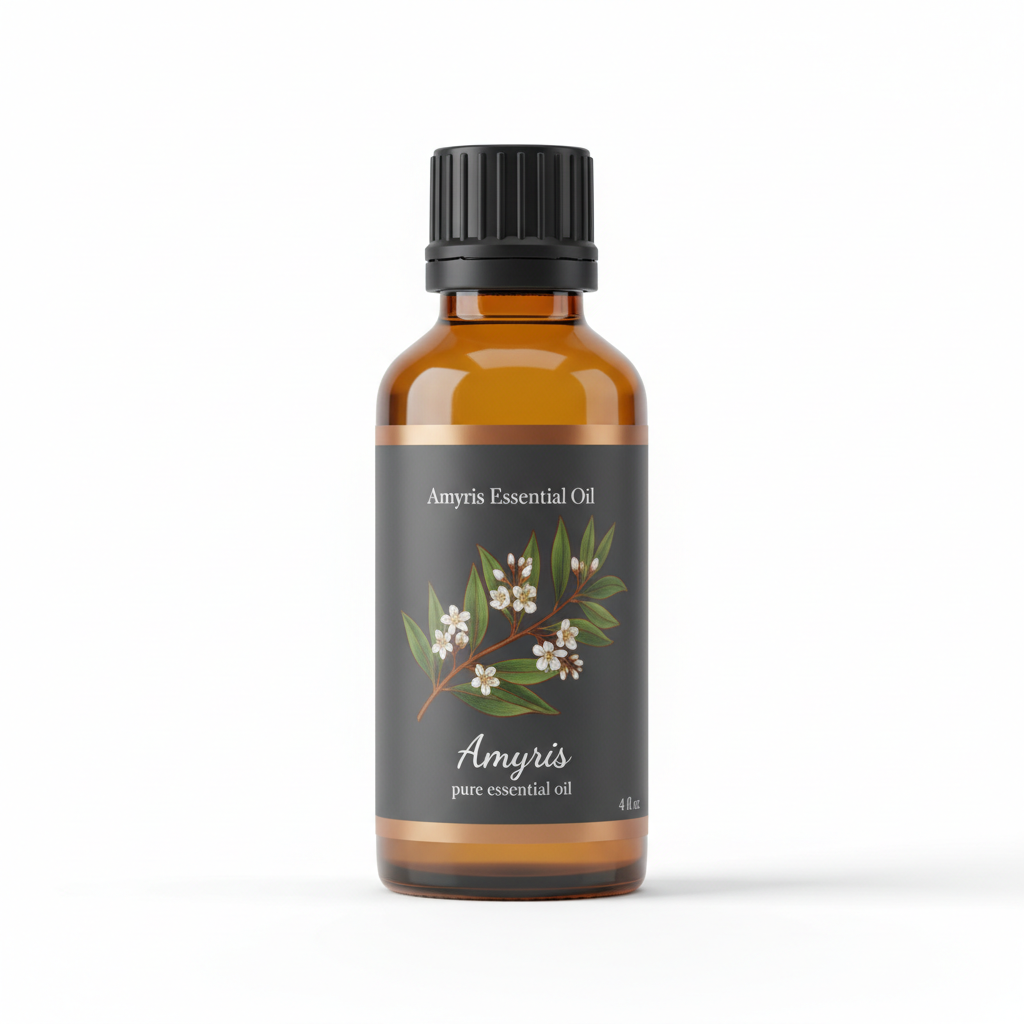
Amyris Essential Oil
Our own Amyris Essential Oil, in sizes from 0.5 oz to bulk.
From $23.99
Shop Now →For a broader introduction to the oil itself, see our guide on what amyris essential oil is and where it comes from.
Dilution Fundamentals
Q1: What is the correct amyris oil dilution for adults using it on skin?
For most adult leave-on skin applications, a dilution of 2 percent to 3 percent is the standard starting point. That works out to roughly 12 to 18 drops of amyris essential oil per one fluid ounce (30 ml) of carrier oil or unscented lotion. If you are new to this oil or have sensitive skin, start at 1 percent and observe your skin's response before increasing.
Q2: How do I calculate dilution percentages without a chemistry background?
The simplest method is the drop-per-ounce approach. One percent dilution equals roughly 6 drops per ounce of carrier. Two percent equals 12 drops, and 3 percent equals 18 drops. Keeping a small notebook or printed chart near your blending station removes the guesswork entirely.
Q3: Can I use amyris oil undiluted directly on my skin?
Applying any undiluted essential oil to skin is generally not recommended, even oils with a mild reputation. Undiluted application can cause sensitization over time, meaning your skin may develop a reaction after repeated exposure even if it seemed fine at first. Always dilute before applying to the body.
Q4: Does amyris oil dilution change for a body wash or rinse-off product versus a lotion?
Yes. Rinse-off products like body wash, shampoo, or bath salts stay on skin for a shorter time, so formulators often allow slightly higher concentrations, sometimes up to 4 percent. Even so, starting at the lower end is smart until you understand how your skin responds. Leave-on products such as body butters and serums require more conservative dilution because they stay in contact with skin throughout the day.
Q5: Is amyris oil dilution different for a facial application?
Facial skin is generally more sensitive than body skin, so many aromatherapists suggest dropping to 0.5 percent to 1 percent for face oils, serums, or moisturizers. Amyris blends beautifully into facial carriers like jojoba and rosehip, but lower is better when you are working close to the eyes or on reactive skin types.
Patch Testing
Q6: Why should I patch test amyris oil before full use?
Even oils with a good safety profile can cause reactions in individuals with specific sensitivities or allergies to related plant compounds. A patch test gives you a small, controlled preview of how your skin will respond before you apply a blend to a larger area. It takes only 24 to 48 hours and can spare you significant discomfort.
Q7: How do I perform a patch test properly?
Mix your amyris blend at your intended dilution in a carrier oil, then apply a small amount (about the size of a dime) to the inside of your forearm or the crook of your elbow. Leave it uncovered and unwashed for 24 hours. If redness, itching, or swelling appears at any point, wash the area with mild soap and water and do not use that blend.
Q8: My patch test was clear. Does that mean I will never have a reaction?
Not quite. A clear patch test is a good sign, but it confirms your skin's response to that specific blend at that specific dilution on that day. Skin can change with seasons, hormonal shifts, or changes in other products you are using. It is worth re-testing if you significantly change the formula or if months have passed since your last check.
Q9: Is amyris oil safe for skin that is already irritated or compromised?
Broken, sunburned, or otherwise compromised skin is far more permeable, which increases absorption and the chance of a reaction. Avoid applying any essential oil blend to damaged skin. Once the skin has recovered and the surface is intact, you can introduce your amyris blend at a conservative dilution and monitor carefully.
Is Amyris Oil Safe for Specific Groups?
Q10: Is amyris oil safe for use during pregnancy?
The research on essential oil safety during pregnancy is limited, and guidance varies among practitioners. The general caution is to avoid topical or aromatic use of concentrated essential oils during the first trimester, and to consult a qualified midwife or obstetrician before using any essential oil throughout pregnancy. Do not rely on general internet guidance for this decision.
Q11: Can I diffuse amyris oil around young children?
Children's respiratory and nervous systems are still developing, so diffusion around young children requires extra care. Many practitioners advise waiting until children are at least two years old before introducing any diffused essential oils, and even then recommend short diffusion sessions in well-ventilated spaces at low concentrations. Consult your pediatrician before adding essential oils to a child's environment.
Q12: Is amyris oil safe for older adults with sensitive skin?
Mature skin can be thinner and more reactive, so a lower dilution, around 1 percent, is a sensible starting point. Amyris is sometimes chosen in cosmetic blends for mature skin because of its rich, slightly emollient quality, but the same patch-testing and dilution rules apply regardless of age. Anyone managing multiple medications or skin conditions should check with a healthcare provider first.
Q13: Can people with nut or seed allergies use amyris oil safely?
Amyris essential oil itself is steam-distilled from the wood of Amyris balsamifera and is not a nut or seed product. However, the carrier oil you blend it into very much matters. If you have a tree nut allergy, for example, sweet almond oil is not appropriate for you. Choose carriers carefully and consult an allergist if you are uncertain.
Pets and Shared Spaces
Q14: Is amyris oil safe to diffuse around dogs?
Dogs have a significantly more sensitive sense of smell than humans, and their bodies process aromatic compounds differently. While amyris is not flagged as highly concerning for dogs in the way some other oils are, diffusing any essential oil in a room where a dog cannot leave is not ideal. Keep the space ventilated, limit session length, and watch for signs of discomfort such as pawing at the face, drooling, or leaving the room. When in doubt, consult a veterinarian.
Q15: Is amyris oil safe around cats?
Cats lack certain liver enzymes that metabolize many aromatic compounds, which makes them more vulnerable to essential oil exposure than dogs or humans. Even passive diffusion can accumulate in a cat's system over time. Amyris has not been extensively studied in feline toxicology, so the precautionary recommendation is to keep cats out of any room where essential oils are being actively diffused. Always consult a veterinarian who is familiar with essential oil safety for animals before using oils in a home with cats.
Q16: What about birds and small animals like rabbits or guinea pigs?
Birds have extremely sensitive respiratory systems and are among the most vulnerable pets when it comes to airborne compounds. Diffusing essential oils in any room birds occupy is not advised. Small mammals such as rabbits, hamsters, and guinea pigs are also sensitive. If you share your home with these animals, keep your diffusing confined to rooms they do not access, and ensure good air circulation throughout the house.
Q17: If I apply an amyris blend to my skin, can it transfer to my pet when they brush against me?
Skin contact is a lower-risk scenario than direct application or diffusion, but it is still worth considering, especially with cats who groom themselves. After applying a leave-on blend, let it absorb fully before interacting with pets. If you have an especially affectionate cat, applying the blend to areas they rarely contact, such as the upper back, reduces the chance of transfer.
Storage and Shelf Life Safety
Q18: Can oxidized amyris oil cause skin reactions?
Yes. Oxidized essential oils, meaning those that have been exposed to air, heat, or light over time, can develop compounds that are more likely to cause skin sensitization than the fresh oil. This is one of the most practical reasons to store your amyris oil correctly and to check it before use. If the scent has shifted from its characteristic creamy, woody softness to something flat, rancid, or noticeably sharp, it is time to retire that bottle. For detailed storage guidance, see our article on how to store amyris essential oil and extend its shelf life.
Q19: How long does amyris essential oil typically remain suitable for skin use?
Amyris is a base note oil with relatively stable chemistry. Properly stored in a dark glass bottle away from heat and direct light, it generally stays in good condition for two to four years. Once you blend it into a carrier oil, however, the clock on the carrier's shelf life starts ticking. Most finished blends are best used within six to twelve months.
Everyday Use Questions
Q20: Is amyris oil safe for skin when used in a homemade perfume or cologne?
Amyris is a popular base note in natural perfumery precisely because it is well-tolerated by most skin types at proper dilution. A typical skin-safe perfume concentration is 15 percent to 20 percent of the total blend in a carrier such as jojoba or fractionated coconut oil. Since amyris is usually one component of a blend rather than the entire formula, it contributes a portion of that total concentration, which generally keeps individual oil levels well within comfortable range.
Q21: Can I add amyris oil to a hot bath?
Essential oils do not disperse in water. Adding undiluted drops directly to bath water means the oil floats on the surface and contacts your skin at full concentration, which can cause irritation. The safer approach is to mix your amyris drops into a small amount of carrier oil, whole milk, or an unscented bath gel before adding it to the water. This helps distribute the oil more evenly.
Q22: Is amyris oil safe for use in candles or wax melts for home fragrance?
When amyris oil is used in candles or wax melts, it is undergoing combustion or significant heat, which changes its chemical profile. The aromatherapy and skin safety data for amyris does not directly translate to combustion safety. For candle use, follow the fragrance load guidelines provided by your wax supplier and ensure good ventilation when burning. This is a home fragrance application, separate from cosmetic or aromatic wellness use.
Q23: Where can I learn about practical ways to use amyris oil once I have the safety basics down?
Once you are comfortable with dilution and patch testing, there is a lot of creative ground to explore. Our roundup of 12 everyday uses for amyris essential oil at home covers applications from diffuser blends to DIY skincare, with practical starting-point ratios for each use case.
A note on professional advice: The information on this page is educational and intended to support safe general use. It does not replace advice from a qualified healthcare provider, dermatologist, aromatherapist, or veterinarian. If you have specific health concerns, skin conditions, or questions about use during pregnancy or around pets, please consult a licensed professional.