Are Essential Oils Safe for Pets? A Cautious Guide
If you share your home with a cat, you have probably seen the headline that essential oils are "toxic to pets" and the opposite claim that they are perfectly fine. The truth sits in between, and it depends on the animal, the oil, the strength and how it reaches them. We sell an external cosmetic oil, so this is a reading guide, and your veterinarian is the final word.

Amyris Essential Oil
Our own Amyris Essential Oil, in sizes from 0.5 oz to bulk.
From $23.99
Shop Now →Why cats get the most attention
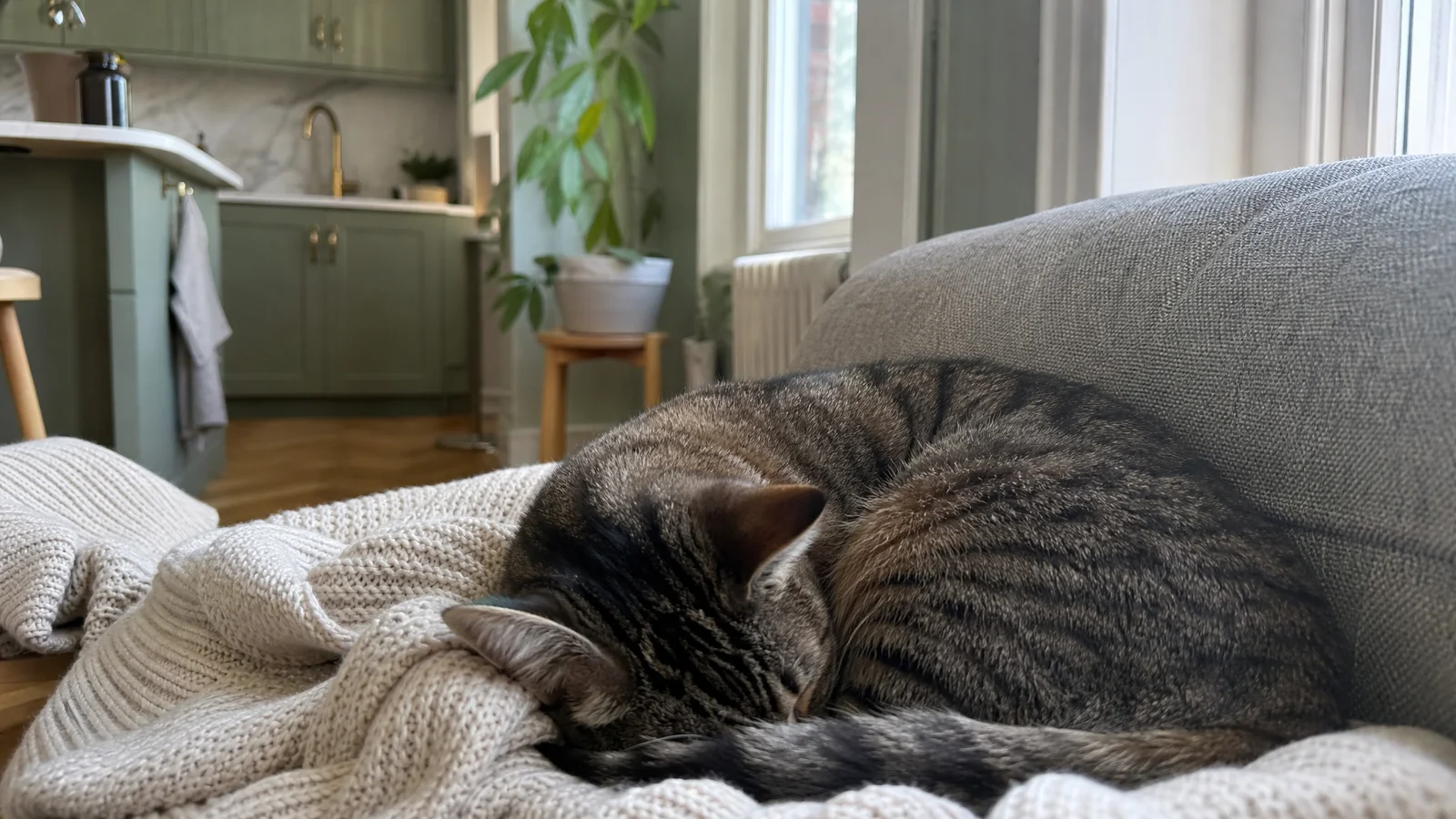
Robert Tisserand explains that cats lack key liver enzymes humans use to break down many plant compounds, which creates a theoretical risk of greater toxicity; he calls the risk much less of a concern for dogs, and notes menthol appears 3 to 4 times more toxic to cats than to rats (Tisserand Institute). The word "theoretical" matters: this is a reason for care, not proof that every oil harms every cat.
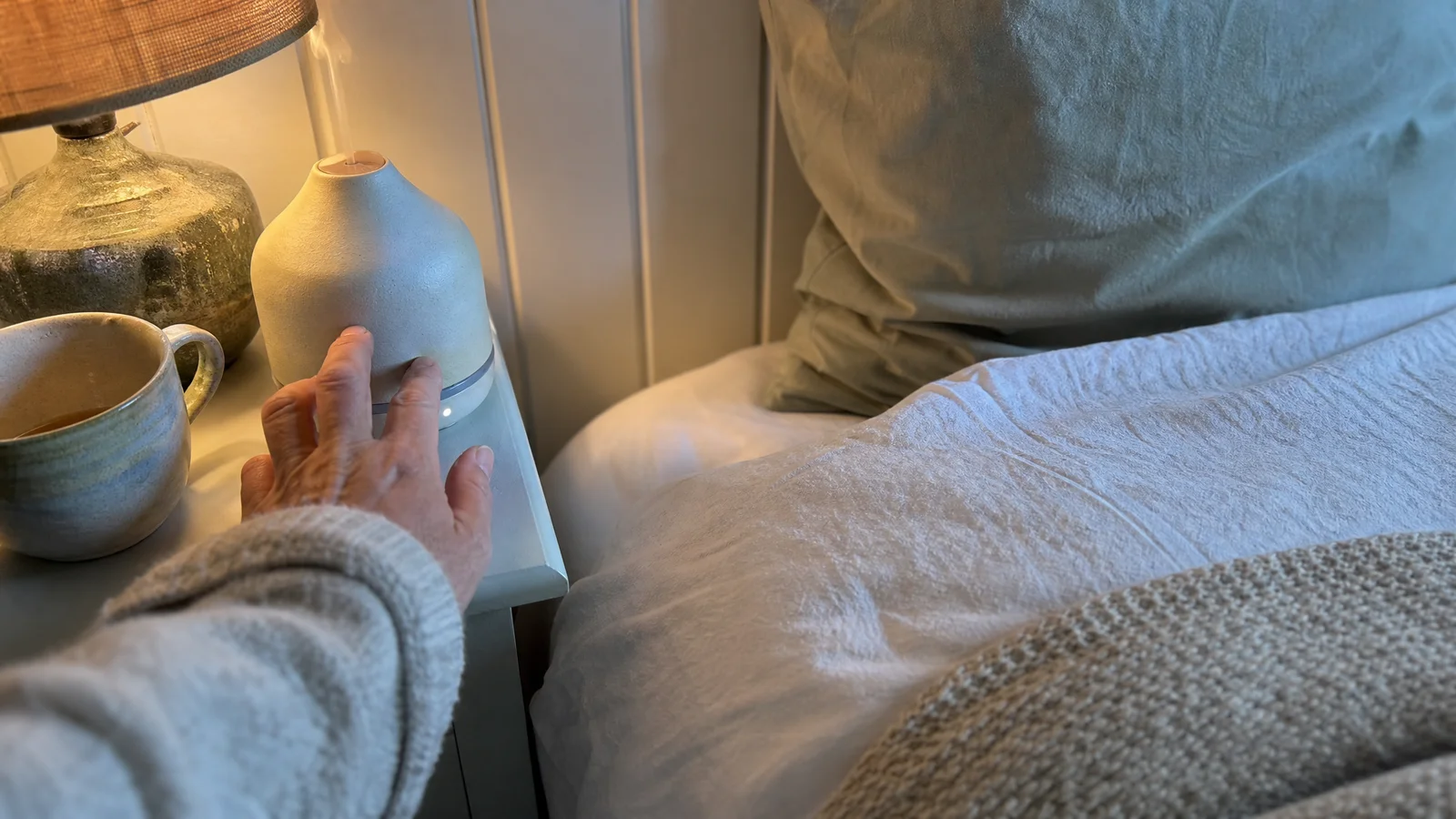
On diffusers, the same article says diffusing is acceptable with good ventilation, small amounts for short periods, and a cat that can leave the room whenever it likes. What he warns against is vapour building up for many hours, and putting large amounts of neat oil on a cat.
Dogs and concentrated products
The Pet Poison Helpline names tea tree, pennyroyal, wintergreen and pine oils as the common problem oils for dogs, and says concentrated products are the main culprit rather than the low levels in a dog shampoo (Pet Poison Helpline). If a dog gets into oil, do not make it vomit, because oil that comes back up can be breathed into the lungs; the Helpline says most of these exposures need immediate veterinary care.
Skin, paws and swallowing
Pets groom themselves, so anything on fur ends up in the mouth. That is why diluted does not automatically mean fine for an animal, and why we would not suggest putting any essential oil on a pet's coat. The National Capital Poison Center's general advice applies to the whole household: lock bottles away from children and pets, and treat any swallowed oil as an emergency. Concentration is the thread running through every source above, which is a good reason to keep the neat oil sealed and a tidy distance from curious noses.
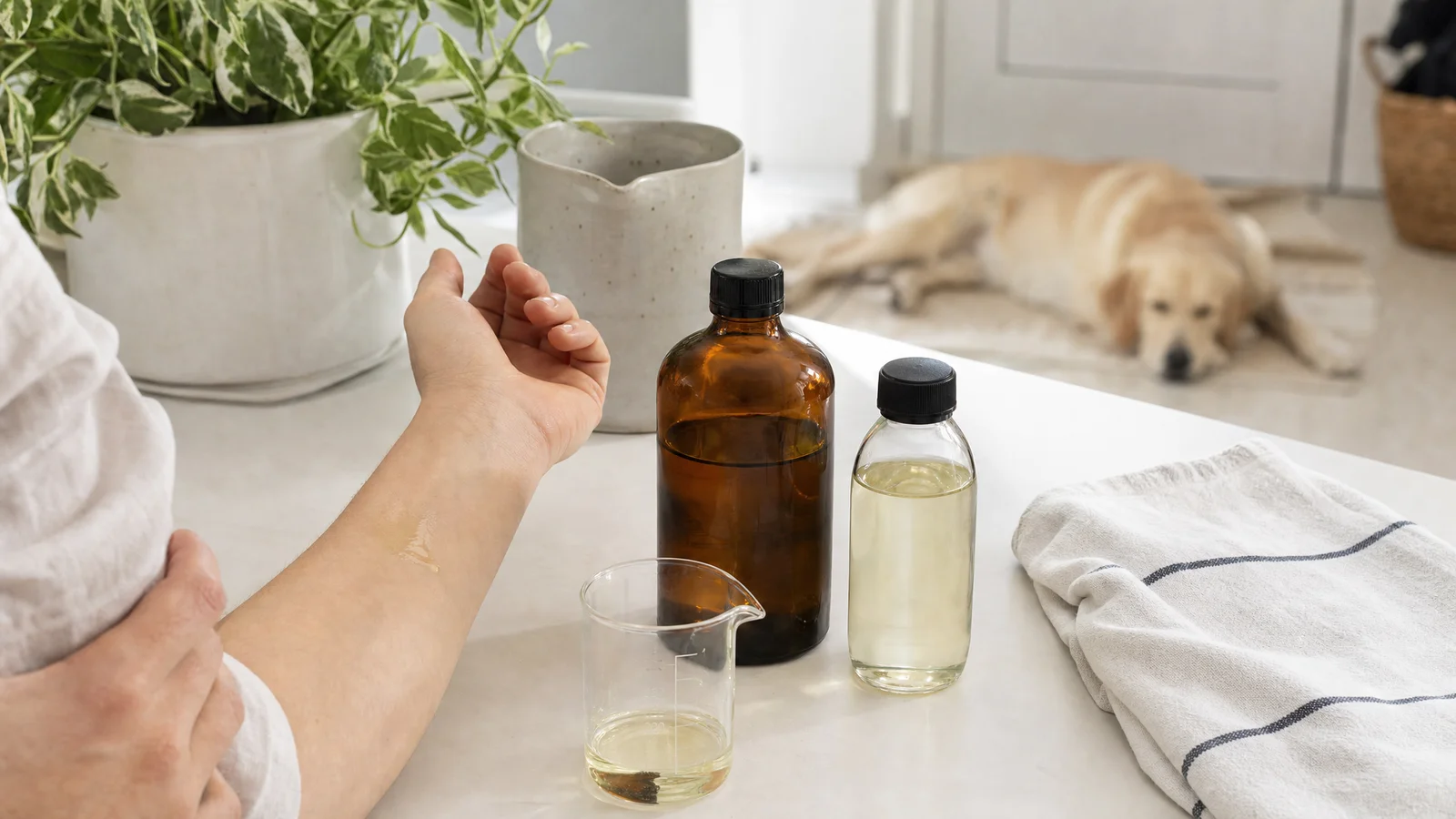
Think about your home from a pet's point of view. Animals live close to the floor, sniff everything and lick whatever lands on them. A cat jumps onto a shelf you thought was out of reach, and a dog can reach a coffee table in one bound. A bottle that sits on a bedside table or a bathroom edge is within range of more pets than you might expect.
Notice how your own animal behaves around scents. Some cats walk straight out of a room when something new is in the air, and some dogs sniff the diffuser and stare at it. Their behaviour is a message. If your pet leaves, sneezes, paws at its face or hides, take that as a clear no and stop what you are doing.
Our approach at home
Amyris is not among the oils those sources single out, and they do not speak to it either way, so we apply the general rules and keep it simple:
- Keep the bottle closed and on a high shelf or in a cabinet.
- Do not put amyris on a pet or on bedding they sleep on.
- If you diffuse, use short sessions, open a window or door and give animals a way out. Birds and small animals are best left out of the room altogether; ask your vet.
- Wipe up spills promptly so no one licks a paw later.
A few small habits make a pet-friendly home easier. Keep your oils in a closed box inside a cupboard rather than loose on a shelf. Make blends and wipe up spills when the animals are in another room, and let the room air out before they come back. Wash your hands after handling oil and before you stroke a pet, since a cat will happily lick whatever is on your fingers a minute later.
Think, too, about the other animals in your home. Birds, rabbits, hamsters and fish tanks each have their own needs and sensitivities, and a small cage in a room that smells strongly of anything is not a comfortable place. When a household has several kinds of pet, ask your veterinarian about the most sensitive one, and plan around that animal.
If you simply love a scented home, you have other gentle options. Open the windows, simmer a pot of herbs on the stove, or put dried flowers on a shelf the animals cannot reach. None of these carries the concentration of a bottle of oil.
Our shop guidance is to keep the oil away from children and pets, which fits all of this. For possible exposure, call your veterinarian or the Pet Poison Helpline at (855) 764-7661.
The diffuser question is covered more fully in is diffusing essential oils safe, the same ground for people in our kids post, and general habits in the safety guide. When in doubt, a quiet word with your vet beats any blog, including ours.
Amyris Essential Oil
Amyris Essential Oil from our own shop, in sizes from 0.5 oz to bulk.
From $23.99
Shop Now →