Amyris and the Skin Scent Trend: Why It's Having a Moment in 2026
Walk into any fragrance conversation this year and you'll hear the same phrase over and over: skin scent. Not perfume that announces itself from across a room, but scent that sits close, warms against body heat, and reads more like your own chemistry than something you applied. It's a shift away from loud, layered fragrance and toward something quieter and more personal. And right in the middle of that shift sits amyris oil, a soft, woody note that's quietly becoming one of the most talked-about ingredients in the skin scent trend 2026 has produced.
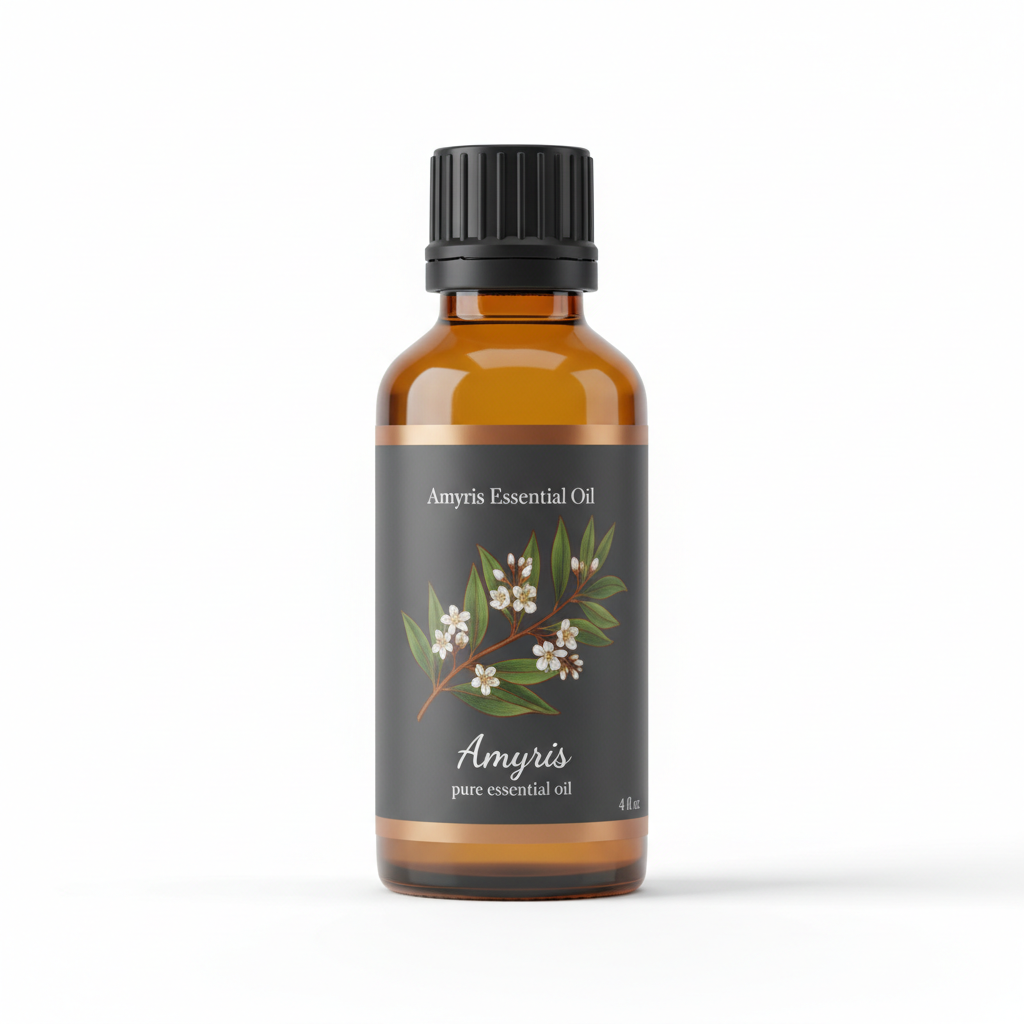
Amyris Essential Oil
Our own Amyris Essential Oil, in sizes from 0.5 oz to bulk.
From $22.99
Shop Now →If you've spent any time on fragrance forums or scrolling through scent-focused content lately, you've probably seen amyris mentioned as a budget-friendly stand-in for sandalwood, or praised for its low, skin-hugging drydown. There's a reason it keeps coming up. This article looks at why amyris oil perfume trend conversations are heating up right now, what makes the oil suited to this particular moment in fragrance culture, and how to actually use it if you want in.
What the Skin Scent Trend Actually Means
Skin scent isn't a technical term with a strict definition, but the fragrance community has settled into a rough consensus. A skin scent is low-projection, warm, and often built around musky, woody, or ambery notes that behave less like an accessory and more like an extension of your own skin's warmth. Think of the difference between a fragrance that fills a room the moment you walk in, and one that someone only notices when they lean in close.
The appeal is partly about restraint. After a few years of maximalist, statement fragrances, a lot of people are gravitating toward something more understated for daily wear. It's also partly practical. Shared offices, close quarters on public transit, and a general cultural move toward "less is more" personal care have all nudged people toward scents that stay closer to the body.
Woody notes fit this mood especially well because they read as warm and grounded rather than sweet or sharp. That's a big part of why trending woody fragrance 2026 lists keep circling back to sandalwood, cedarwood, vetiver, and amyris as the building blocks people reach for.
Why Amyris Fits the Moment
Amyris essential oil, steam distilled from the wood of Amyris balsamifera, has a scent profile that's soft, slightly sweet, and unmistakably woody, often compared to sandalwood because of its creamy, low undertone. Unlike sharper woods such as cedarwood or vetiver, amyris doesn't push forward. It sits back, which is exactly the behavior a skin scent calls for.
There are a few reasons amyris in particular has found its footing right now rather than being just another woody oil on the shelf:
- Its softness reads as skin-close by nature. Amyris doesn't need heavy dilution or careful balancing to avoid overwhelming a blend. It's naturally gentle in character, which makes it easy to build a low-projection scent around it.
- It's a practical alternative to increasingly scarce sandalwood. Wild Indian sandalwood is protected and expensive, and even sustainably farmed Australian sandalwood carries a premium price. Amyris offers a similar creamy woodiness at a fraction of the cost, which matters as more people experiment with fragrance layering rather than buying a single finished perfume.
- It works as a fixative. In blending, amyris helps hold lighter top notes (citrus, herbaceous notes) closer to the skin for longer, which is exactly the mechanism a good skin scent depends on.
- It's approachable for people just starting to blend their own scents. Amyris rarely clashes. It plays well with citrus, florals, resins, and other woods, which makes it a forgiving entry point for anyone experimenting with DIY fragrance for the first time.
Why 2026 Specifically
Trends rarely appear out of nowhere, and this one has a fairly traceable path. Fragrance content on social platforms has leaned hard into "invisible" and "clean girl" aesthetics for the past couple of years, and skin scent language, hazy, warm, barely-there, fits neatly into that visual and sensory vocabulary. At the same time, more people are asking questions about where their fragrance ingredients come from, and amyris's role as a renewable, farmed wood (rather than a slow-growing, heavily harvested one) fits a broader interest in transparent sourcing.
There's also a simple cost factor. As raw material prices for traditional perfume woods have climbed, amyris has become a go-to for both indie perfumers and home blenders who want a woody backbone without a luxury price tag. That combination of aesthetic timing, sourcing story, and accessibility is a big part of why the amyris oil skin scent conversation has picked up so much momentum this year specifically.
How to Wear Amyris as a Skin Scent
If you want to try building a skin scent around amyris, the goal is warmth and closeness, not projection. A few practical guidelines:
Dilute properly before it touches skin
Amyris essential oil is concentrated and should never be applied undiluted. For skin application, a common starting point is a 2 to 3 percent dilution, roughly 12 to 18 drops of essential oil per ounce of a carrier oil such as jojoba or fractionated coconut oil. If you're new to essential oils generally, it's worth reading a full guide on how to dilute essential oils for skin before mixing anything.
Apply to pulse points, sparingly
Wrists, the inside of the elbow, behind the ears, and the base of the throat are classic pulse points because they generate warmth, which helps a skin scent unfold gradually over the day. Less is more here. A skin scent is meant to be discovered, not detected from three feet away.
Patch test first
Before applying any new essential oil blend more broadly, do a patch test: apply a small diluted amount to the inside of your forearm and wait 24 hours to check for any reaction. This matters even for oils, like amyris, with a reputation for being gentle. Everyone's skin responds differently, and it's a simple step that takes the guesswork out of a new blend.
Layer instead of relying on one note alone
Amyris on its own is pleasant but simple. Most of the skin scents getting attention right now are layered blends: amyris paired with a touch of bergamot or grapefruit for lift, a whisper of vanilla or benzoin for warmth, or a small amount of clary sage for a slightly herbal edge. If you want to understand how amyris compares to and pairs with other woods, it's worth reading up on amyris versus sandalwood before you start experimenting with ratios.
Essential oils are for topical, aromatic, and personal care use only. They are not intended to diagnose, address, or take the place of guidance from a qualified healthcare provider. Always consult a healthcare provider before starting any new personal care routine, especially if you are pregnant, nursing, or have sensitive skin.
A Simple DIY Amyris Skin Scent Blend
If you want to try mixing your own, here's a straightforward starting recipe for a 10ml roller bottle:
- 8 drops amyris essential oil
- 4 drops bergamot essential oil (or sweet orange, for a softer citrus)
- 2 drops vanilla oleoresin or a small amount of vanilla absolute (optional, for warmth)
- Fill the remainder of the bottle with a carrier oil such as jojoba, sweet almond, or fractionated coconut oil
Shake gently to combine, let it rest for 24 to 48 hours so the notes settle together, and apply sparingly to pulse points. As always, patch test before wearing it broadly, and store the blend away from direct sunlight to protect the oil's quality. If you're curious about the wider range of ways amyris shows up in personal care beyond fragrance, our amyris essential oil uses guide covers the basics in more depth.
Seasonal Variations Worth Trying
Skin scent doesn't have to mean the same blend all year. Amyris is versatile enough to shift with the seasons:
Warmer months
In summer, keep the blend lighter. Pair amyris with citrus notes like grapefruit or bergamot and skip heavier resins, which can feel dense in heat and humidity. A lower overall dilution, closer to 1 to 2 percent, also tends to feel more comfortable when temperatures climb.
Cooler months
As the weather cools, amyris can carry more weight. Blending it with warmer notes such as cedarwood, a touch of clove bud (used sparingly, as it's a strong note), or a hint of vanilla creates a cozier, more grounded scent that suits shorter days and layered clothing. This is also a good season to explore amyris in a home setting, not just on skin. A few drops in a diffuser alongside cedarwood or orange can echo the same woody, skin scent mood in a room.
Transitional seasons
Spring and fall are a good time to experiment with florals. Amyris pairs surprisingly well with soft florals like ylang ylang or geranium, which can round out its woody base without overpowering the low-key character that makes it a good skin scent candidate in the first place.
Building a Skin Scent Routine, Not Just a Bottle
Part of what makes the skin scent trend different from past fragrance trends is that it's less about a single signature bottle and more about a small rotating collection you adjust based on mood, weather, and occasion. If you're building toward that, amyris is a good anchor note precisely because it's flexible. It doesn't fight for attention with other ingredients, which makes it easier to build a small wardrobe of blends around one consistent base.
When shopping for amyris oil, look for clear information about how it was sourced and distilled. Steam-distilled amyris from reputable growers should carry a straightforward, honest scent profile: soft, woody, slightly balsamic. If a bottle smells sharp, solvent-like, or artificially sweet, that's usually a sign of poor distillation or an adulterated product rather than a quality issue with the amyris tree itself.
Where This Trend Is Likely Headed
Fragrance trends move quickly, but the underlying preference driving this one, quieter, closer, more personal scent, seems to have some staying power beyond a single season. As sandalwood sourcing pressures continue and more people get comfortable blending their own scents at home, amyris is well positioned to stay part of that conversation rather than fade as a passing moment. Whether you're mixing your first roller bottle or just curious what all the mentions of amyris oil skin scent are about, it's a low-risk, low-cost way to experiment with a fragrance style that's genuinely reshaping how people think about wearing scent in 2026.