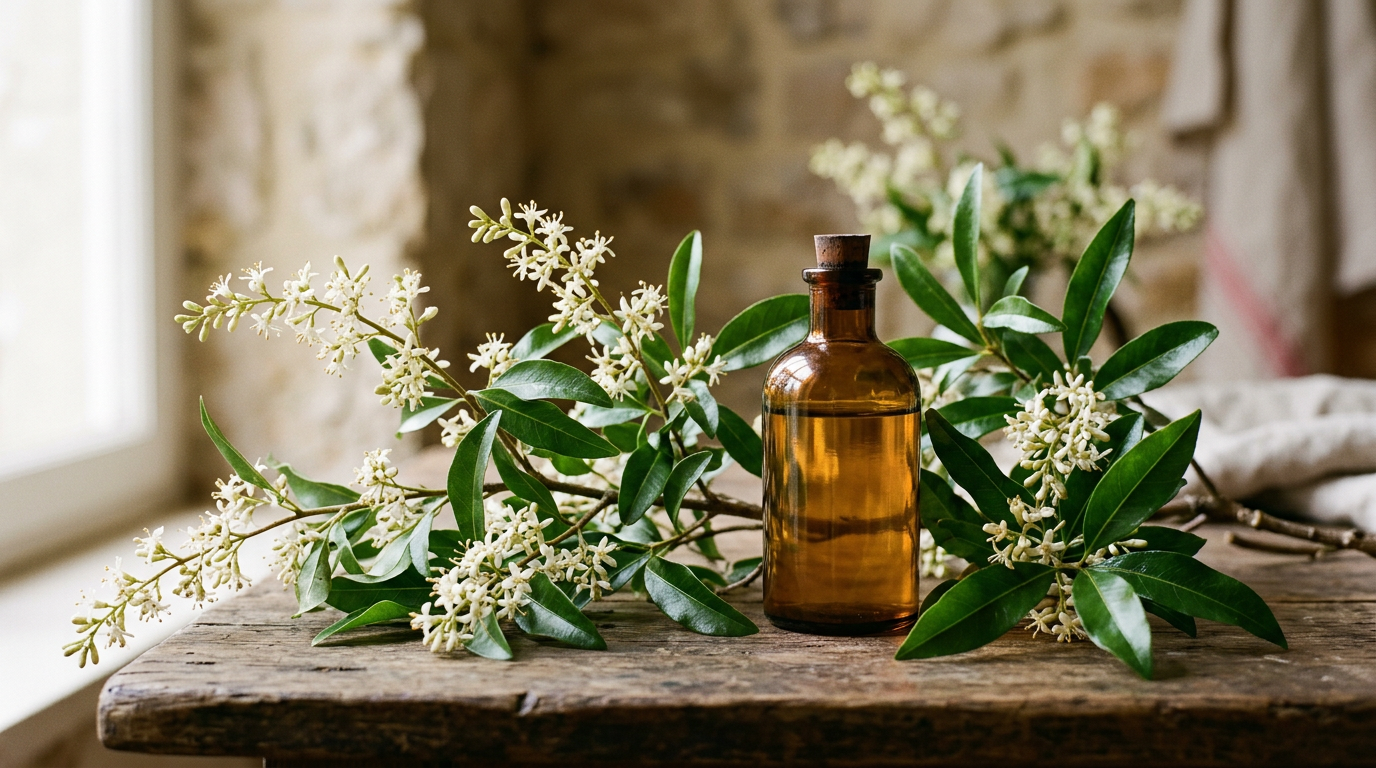
Amyris Oil vs Vetiver Oil: Comparing Two Earthy Base Notes
Every formulator eventually needs a base note that can hold a blend together after the citrus and florals have burned off. Two of the most common answers are amyris and vetiver, and beginners often assume they're interchangeable because both get filed under "woody" or "earthy." They aren't. Once you've worked with both side by side, the differences in weight, cost, and character become obvious fast. This amyris vs vetiver oil comparison walks through where each comes from, how they smell and behave in a blend, what they cost, and how to combine them if your project calls for both.
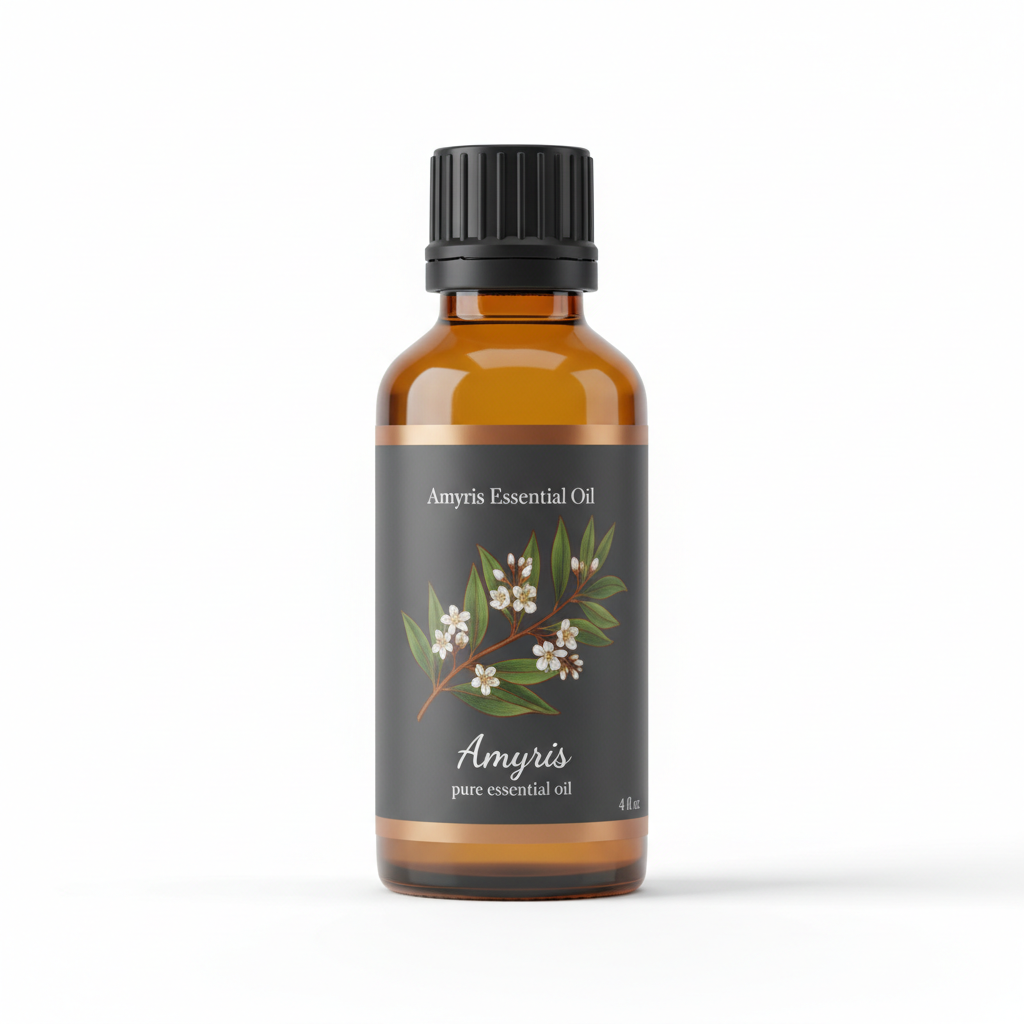
Amyris Essential Oil
Our own Amyris Essential Oil, in sizes from 0.5 oz to bulk.
From $22.99
Shop Now →This article covers scent, sourcing, and formulation only. Nothing here is meant as guidance for any specific skin or health situation, and if you have known sensitivities or are formulating for someone who is pregnant or nursing, a qualified healthcare provider is the right person to ask before adding a new oil to a routine.
Where Each Oil Comes From
Amyris (Amyris balsamifera)
Amyris is steam distilled from the wood of a small tree grown mainly in Haiti. Growers sometimes call it West Indian sandalwood, which is a marketing convenience more than a botanical fact. Amyris belongs to the citrus family, not the sandalwood family, and the resemblance is purely olfactory: a soft, mellow, faintly sweet woodiness that reads as gentle rather than sharp. The oil itself pours thick and pale yellow, closer to honey than to a typical thin essential oil. Haiti's amyris supply is relatively steady compared to many wildcrafted oils, which keeps pricing and quality fairly consistent from batch to batch.
Vetiver (Chrysopogon zizanioides)
Vetiver comes from somewhere else entirely: the roots of a tall, clumping grass grown mainly in Haiti, Java, and India. The roots are dug up, washed, dried, and chopped before distillation, a process that takes considerably longer than most essential oil extractions and helps explain the price gap between the two oils. What comes out is a dense, viscous liquid ranging from amber to deep olive brown, with a scent that's smoky, earthy, and almost damp, closer to wet soil or a cellar than to anything floral. Origin and harvest year both shift the profile noticeably, so no two bottles of vetiver ever smell quite identical.
Amyris vs Vetiver: Side-by-Side Comparison
| Attribute | Amyris Oil | Vetiver Oil |
|---|---|---|
| Plant part used | Heartwood | Root |
| Primary origin | Haiti | Haiti, Java, India |
| Scent character | Soft, sweet, mellow woody-balsamic | Deep, smoky, earthy, damp-soil |
| Viscosity | Thick, honey-like | Very thick, near-solid when cool |
| Color | Pale yellow | Amber to dark olive |
| Scent longevity | Moderate to long | Extremely long, a true anchor note |
| Relative price | Budget-friendly | Premium |
| Role in a blend | Extender, gentle fixative | Foundation note, strong fixative |
| Intensity | Low to moderate, easy to overdose without much penalty | High, small amounts go a long way |
| Common pairings | Citrus, florals, other light woods | Citrus, rose, patchouli, lavender |
Amyris Oil: Pros and Cons
Pros
- Affordable. Amyris is one of the least expensive true base notes on the market, which makes it practical to use in generous amounts.
- Unobtrusive. It rounds out sharp top notes without pulling attention toward itself, so it plays well as a supporting layer in almost any blend.
- A reasonable sandalwood-style alternative. For projects where true sandalwood isn't in the budget, amyris offers a comparable mellow woodiness at a fraction of the price.
- Consistent sourcing. Haiti's amyris supply chain is comparatively stable, so batch-to-batch scent stays fairly predictable.
Cons
- Not very distinctive on its own. Worn or diffused alone, amyris can come across as a little flat compared to more complex base notes.
- Shorter staying power than vetiver. It holds up reasonably well as a fixative but fades well before vetiver does.
- Can disappoint buyers expecting true sandalwood. The "West Indian sandalwood" nickname sets expectations that the actual scent doesn't always meet.
Vetiver Oil: Pros and Cons
Pros
- Genuinely complex. Origin, harvest timing, and distillation method all shift vetiver's profile, giving formulators real material to work with rather than a flat, one-note oil.
- Exceptional longevity. Vetiver is one of the longest-lasting notes used in fragrance work, often still perceptible on fabric or in a diffuser blend long after lighter notes are gone.
- A powerful fixative. Even a small amount slows the evaporation of an entire blend, which is the core job of any base note.
- Memorable and distinctive. Nothing else in the earthy base note essential oils category quite replicates its damp, rooty depth.
Cons
- Expensive. The slow root harvest and long distillation time push vetiver into premium pricing territory.
- Easy to overdo. Used heavy-handed, it can dominate a blend and read as muddy or overly smoky.
- A more acquired taste. Its damp, earthy character isn't universally loved. Some people find it grounding and rich; others find it too heavy for everyday wear.
- Awkward to handle when cool. The near-solid consistency at room temperature in cooler months means it usually needs gentle warming before it pours cleanly.
Why Compare These Two at All
Amyris and vetiver both sit in the earthy base note essential oils category, but they're built for different jobs. Amyris is the note you reach for when a blend needs rounding out without adding much weight or cost. Vetiver is the note you reach for when a blend needs real gravity, something that pulls lighter florals and citrus down into a grounded finish. Because they solve different problems, plenty of experienced formulators end up using both in the same recipe rather than picking one permanently. This amyris vetiver comparison isn't really about naming a single winner. It's about knowing which job each oil is suited for.
Amyris Vetiver Blending Ratio: Combining the Two
Because vetiver is so concentrated in character, most blenders lead with amyris as the larger-volume base and treat vetiver as an accent layered on top. A common starting amyris vetiver blending ratio is around 4:1 or 5:1 in favor of amyris, particularly for candles, roller blends, or diffuser mixes meant to appeal to a broad range of noses. That ratio lets amyris carry most of the base note weight while vetiver adds just enough smoky depth to keep the blend from feeling one-dimensional.
For a blend where vetiver's character should take the lead, a 2:1 or even 1:1 ratio works, though it's worth testing on a blotter strip first since vetiver's intensity means small volume changes shift the whole composition more than a gentler oil like amyris would.
A few practical notes for working with both:
- Warm the vetiver first. If it's thick or slow to move, a brief warm-water bath around the closed bottle (never direct heat) makes measuring far easier.
- Add vetiver in drops, not milliliters. Build up slowly and re-check the scent after each addition. It's simple to add too much and hard to correct once you have.
- Consider a bridging note. Cedarwood or a light patchouli can smooth the transition if amyris's softness and vetiver's intensity feel disconnected in the same blend.
- Let the blend rest. Base-heavy mixes often smell noticeably different a day or two after mixing than they do straight off the pipette. Give any combined blend time to settle before locking in a final ratio.
Best For: Matching the Oil to the Project
Choose Amyris If You...
- Are working with a tight budget and want a base note you can use generously without watching the bottle level.
- Need a soft, sandalwood-style backdrop that won't compete with citrus or floral top notes.
- Are formulating candles or soap for a broad audience and want something widely likable rather than polarizing.
- Value consistent, predictable scent across production runs.
Choose Vetiver If You...
- Want a signature, memorable base note with genuine complexity.
- Are building a fragrance meant to last through a full day of wear, since vetiver's longevity is hard to beat.
- Are drawn to earthy, smoky, root-forward profiles and don't mind that they're more of an acquired taste.
- Have room in the budget for a premium ingredient and want the finished blend to reflect it.
Choose Both If You...
- Want the rounded softness of amyris with just a whisper of vetiver's depth underneath, which is probably the most common professional approach to a balanced, wearable base.
- Are building a candle or home fragrance line that needs to read as "woody and grounded" to a general audience without leaning too far into vetiver's more polarizing edge on its own.
The Verdict
There's no single winner in an amyris vs vetiver oil matchup because the two oils aren't really competing for the same role. Amyris is the dependable, affordable base that quietly supports whatever sits above it. Vetiver is the deep, complicated root note that gives a blend its backbone and its staying power, at a price and intensity that ask for a more careful hand.
If you're new to working with base notes, start with amyris. It's forgiving, inexpensive, and hard to get badly wrong. Once you're comfortable with how a base note behaves in a finished blend, bring vetiver in a few drops at a time using the 4:1 or 5:1 amyris vetiver blending ratio as a starting point, then adjust from there by nose. Most experienced formulators end up somewhere in that combined territory rather than choosing a permanent side, which says more about how well these two earthy base note essential oils complement each other than any single comparison could.
A few standard formulation safety notes apply here regardless of which oil you choose: dilute properly in a carrier oil before any topical use, patch test on a small area of skin and wait at least 24 hours before wider application, and keep undiluted essential oils away from children and pets. If you have known skin sensitivities or are formulating for someone who is pregnant or nursing, check with a qualified healthcare provider first.