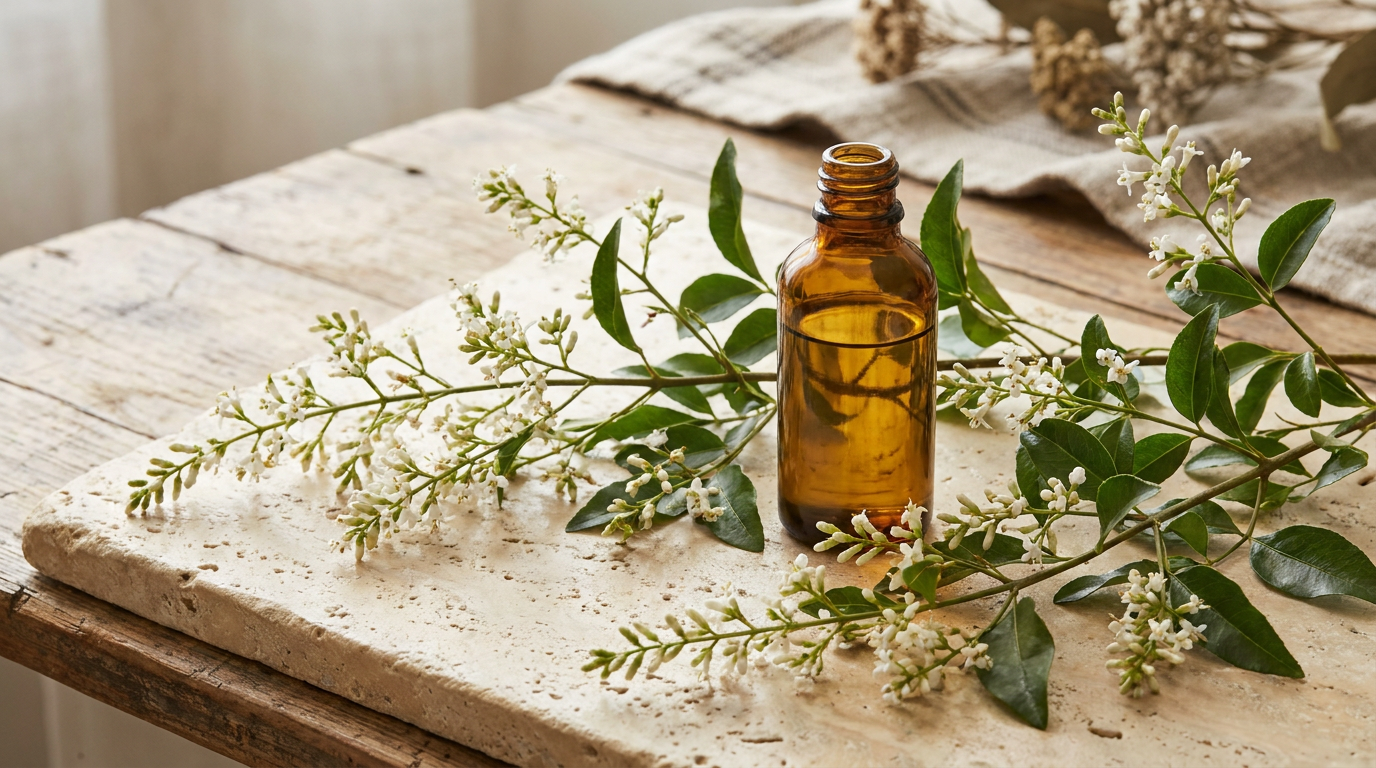
Amyris in Cold Process Soap: FAQ on Discoloration and Scent Throw
Amyris oil shows up in a lot of soapmaking forums as the budget-friendly stand-in for sandalwood, and for good reason: it's a soft, woody note with real staying power at a fraction of the cost. But cold process soap is an unforgiving test for any essential oil. The lye solution runs a high pH, the batter can heat up fast during gel phase, and cure time stretches over weeks, giving color and scent plenty of opportunity to shift. This FAQ gathers the questions we hear most from people working through amyris oil soap discoloration, scent behavior, and usage rates, organized by theme so you can jump to what you need. As always, this is soapmaking and formulation guidance, not medical information, and any skin-contact product should be patch tested before regular use.
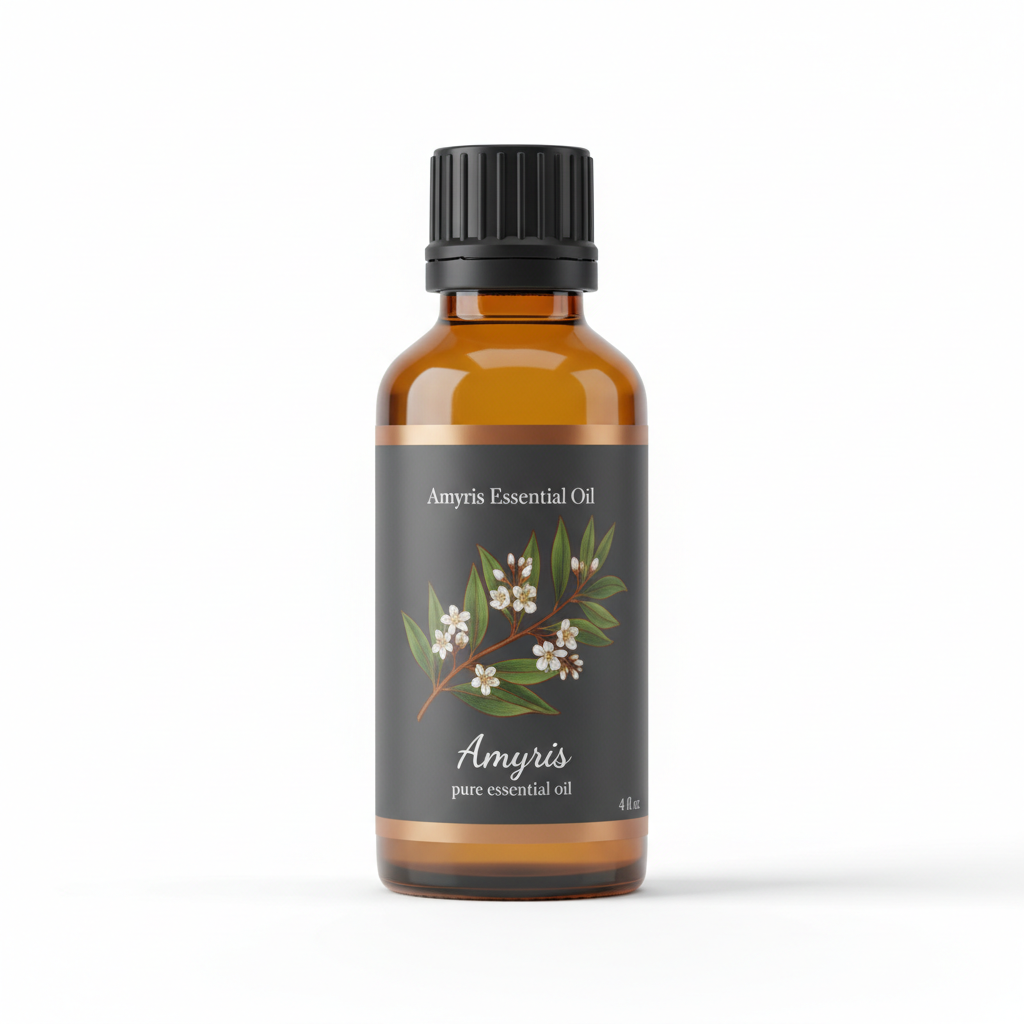
Amyris Essential Oil
Our own Amyris Essential Oil, in sizes from 0.5 oz to bulk.
From $22.99
Shop Now →Amyris Basics for Soapmakers
What is amyris essential oil, and why do soapmakers reach for it?
Amyris essential oil is steam distilled from the wood of Amyris balsamifera, a small tree native to the Caribbean and Central America. Soapmakers use it mainly because it carries a soft, woody, slightly sweet profile at a much lower cost than East Indian sandalwood, and it holds up reasonably well through the soapmaking process. It also blends easily with citrus, floral, and other woody notes, which makes it a flexible base note for a blended fragrance rather than a stand-alone showpiece.
Is amyris the same as sandalwood?
No, and this is one of the most common mix-ups in amyris cold process soap FAQ threads. Amyris and sandalwood come from entirely different plant families, and while their scent profiles share a woody, base-note quality, amyris tends to read a touch sharper and less creamy than true sandalwood. Soapmakers often use amyris as a value-driven substitute or extender in a blend, not as an identical replacement.
What does amyris smell like once it's in cold process soap?
In an unscented base, amyris reads as mellow, woody, and faintly balsamic, with less sweetness than it has straight from the bottle. Once it's blended with citrus or floral top notes, it settles into the background as a grounding base, which is exactly the role most soapmakers ask it to play. Some people report the scent mellowing further as the bar cures, which lines up with how base notes generally behave in cold process work.
Amyris Oil Soap Discoloration
Does amyris oil cause discoloration in cold process soap?
Amyris essential oil itself is typically a pale yellow to light amber liquid, and at normal soap usage rates it does not usually push a bar toward dramatic color change on its own. Most of the color shift people attribute to amyris oil soap discoloration is actually the combined effect of the oil's natural pigment, the base recipe's own oils, and heat exposure during gel phase. If you are chasing a bright white or pastel bar, though, it's worth knowing that any amber-toned essential oil, amyris included, will nudge the final color slightly warmer than a fragrance oil formulated to stay clear.
What color change should I actually expect from amyris in a finished bar?
Expect a subtle cream to light tan tint rather than a deep brown, especially at typical usage rates of half an ounce to one ounce per pound of oils. The shift is usually most visible against a base recipe that's already pale, like one heavy in coconut or sunflower oil, and less noticeable in a bar built on darker oils like olive pomace. Batches vary by supplier lot and by how much heat the soap sees during cure, so two soapers using the same recipe can see slightly different results.
Does amyris behave like vanilla-heavy fragrances that turn soap dark brown?
Not to the same degree. The dramatic browning people associate with vanilla-containing fragrance oils comes from vanillin content, a compound that reacts strongly and predictably over time, often turning a bar chocolate brown within days. Amyris does not carry vanillin, so its color contribution is milder and more gradual, closer to a light toning than a full color transformation.
Does gel phase make amyris-related discoloration worse?
Gel phase, where the soap batter heats up and turns translucent mid-cure, tends to intensify color reactions generally, and amyris is no exception. Soapers who prevent gel by refrigerating or insulating lightly often report a slightly paler bar than those who let their soap gel fully. If a bright, minimally toned bar matters more to you than depth of color, forcing a gel-free cure is worth testing alongside your amyris usage rate.
Can titanium dioxide or other additives offset amyris-related color shifts?
Titanium dioxide is commonly used to brighten a base and can help counteract the warm tint that amyris and other amber essential oils introduce. It's typically dispersed in a light carrier oil before adding to trace, since dry titanium dioxide tends to speckle rather than blend smoothly. Keep in mind that additives change the overall look and feel of a bar, so it's worth testing in a small batch before committing to a full recipe.
Does amyris discoloration continue after the soap has cured?
Some gradual mellowing or slight deepening of tone can continue for the first several weeks of cure as the soap loses moisture and the fragrance settles in. Beyond the standard four to six week cure window, most soapers report the color stabilizes and further change is minimal under normal storage conditions. Keeping cured bars out of direct sunlight helps preserve both color and scent longer, regardless of which essential oil is in the recipe.
Amyris Oil Scent Throw in Soap
What does "scent throw" mean, and how does amyris perform?
Scent throw describes how noticeable a fragrance is, both in the wrapper (cold throw) and while lathering with water (hot throw). Amyris is a base note, so its cold throw tends to be soft and easy to miss on its own, while its hot throw becomes more apparent once the bar is wet and warmed by use. Soapers looking for a loud, front-of-nose scent usually pair amyris with a stronger top or middle note rather than relying on it alone.
Will amyris scent survive the high pH environment of raw soap batter?
Essential oils vary in how well they hold up against the alkalinity of fresh soap batter, and heavier, woody notes like amyris generally fare better than delicate florals or citrus, which fade faster. That said, some scent loss during saponification is normal for any essential oil, so it's common practice to use amyris at the higher end of a safe usage range or blend it with a fixative-style note to help anchor the scent.
How long does amyris scent typically last in a finished, cured bar?
Base notes like amyris are prized in soapmaking precisely because they tend to linger longer than top notes, often remaining detectable for many months of shelf life when the soap is stored properly. Exact longevity depends on storage conditions, packaging, and how much of the oil went into the original batch. A bar kept wrapped in a cool, dark spot will generally hold its scent longer than one left exposed to air and light.
Does amyris fade faster in cold process soap than in melt and pour?
Cold process soap puts the fragrance through a full saponification reaction and a multi-week cure, both of which give more opportunity for scent loss compared to melt and pour, where the base is simply melted and combined. This is one reason soapers ask about amyris oil scent throw in soap specifically for cold process, since the same usage rate that performs well in melt and pour may read as noticeably softer once cured.
Can I blend amyris with other essential oils to strengthen the throw?
Yes, and this is the most common way soapers work around amyris's naturally quiet cold throw. Pairing it with a brighter top note like bergamot or sweet orange, or a stronger middle note like patchouli or clove bud, tends to round out the blend and make the overall scent more noticeable without increasing the total essential oil load beyond a safe usage rate. Small test batches are the easiest way to find a ratio you like before scaling up.
Does superfatting affect how amyris smells in the final bar?
Superfat level (the percentage of unreacted oils left in a finished bar) mainly affects lather and mildness, but it can have a secondary effect on scent perception since more free oil in the bar can act as a light carrier for the fragrance. Some soapers report a slightly softer, more diffused scent at higher superfat percentages, though this is more anecdotal than something formally measured across amyris batches specifically.
Formulation and Usage Rates
How much amyris oil should I use per pound of soap?
Usage rates for amyris in cold process soap commonly fall between half an ounce and one ounce per pound of oils, which lines up with general safe-use guidance for essential oils in leave-on and rinse-off cosmetic products. Always check a current usage guideline for the specific batch of oil you're using, since natural variation between crops and distillation lots can shift recommended rates slightly. When in doubt, start on the lower end and increase gradually across test batches.
Does amyris affect trace time or the saponification process itself?
At typical usage rates, amyris does not meaningfully speed up or slow down trace the way some fragrance oils or high-vanillin blends can. It's still good practice to add it once you've reached at least a light trace, so it disperses evenly rather than sitting on the surface or clumping. Because it's a relatively thin oil, it mixes in easily with a quick hand stir or a short pulse of the stick blender.
Can amyris fully replace sandalwood in an existing recipe?
It can work as a substitute, but expect a different, somewhat sharper woody character rather than an exact match. Many soapers use amyris as a full swap when cost is the main driver, and reserve real sandalwood for smaller specialty batches where the classic creamy profile matters more. Adjusting the surrounding blend, adding a touch more sweetness from a supporting note, often helps close the gap.
Is amyris oil expensive to formulate with compared to other woody notes?
Amyris is generally one of the more affordable woody essential oils on the market, which is a large part of its appeal for soapmakers working at scale or on tighter margins. It sits well below sandalwood and often below cedarwood atlas and patchouli depending on current market pricing, making it a practical anchor note for a woody blend without pushing per-bar cost too high.
Should amyris be added at trace, or blended into the oils beforehand?
Adding amyris (and most essential oils) at trace, after the lye and oils have begun to emulsify, is the standard approach and gives you the most control over final scent strength. Blending it into your base oils before combining with lye is less common since it exposes the oil to the full saponification reaction from the very start, which may increase scent loss. Trace-stage addition also makes it easier to adjust your blend ratio batch to batch.
Safety, Testing, and Sourcing
Is amyris essential oil generally suitable for sensitive skin in soap?
Amyris is considered a relatively gentle essential oil by industry usage guidelines when kept within recommended rates for rinse-off products like soap, but individual skin response varies from person to person. Anyone with known sensitivities should patch test a finished bar on a small area of skin before regular use, and a qualified healthcare provider is the right resource for questions about a specific skin concern.
Should I run a small test batch before committing to a full recipe?
Yes, and this applies to color and scent both. A one-pound test batch lets you evaluate discoloration, hot and cold throw, and how the scent evolves over a full cure before you commit a large batch of oils and lye to a blend you haven't seen finished. It's a small time investment that saves far more in wasted ingredients if the ratio needs adjusting.
How should I store amyris oil to protect its scent and color performance?
Keep amyris essential oil in a tightly sealed, dark glass bottle away from direct sunlight and heat, ideally somewhere with a stable, cool temperature. Oxidation and light exposure degrade both scent quality and can darken the oil's own color over time, which then carries into whatever the oil is used to make. A well-stored bottle should hold its character for a reasonable shelf life; if it smells notably different or has darkened significantly from when you bought it, it's worth replacing before your next batch.
Where can I check sourcing and lab documentation for the amyris oil I'm using?
Reputable suppliers should be able to provide a batch-specific GC-MS report and clear origin information for any essential oil, amyris included, so you know what you're actually working with before it goes into a batch of soap. If a supplier can't produce this documentation on request, treat that as a reason to look elsewhere, since consistent sourcing is one of the biggest factors behind predictable color and scent results batch to batch.
This article is for soapmaking and formulation education only and is not medical advice. Always patch test finished products and consult a qualified healthcare provider with questions about a specific skin concern.